Gabe Newell decided to make Steam after telling the original Half-Life publisher to get lost

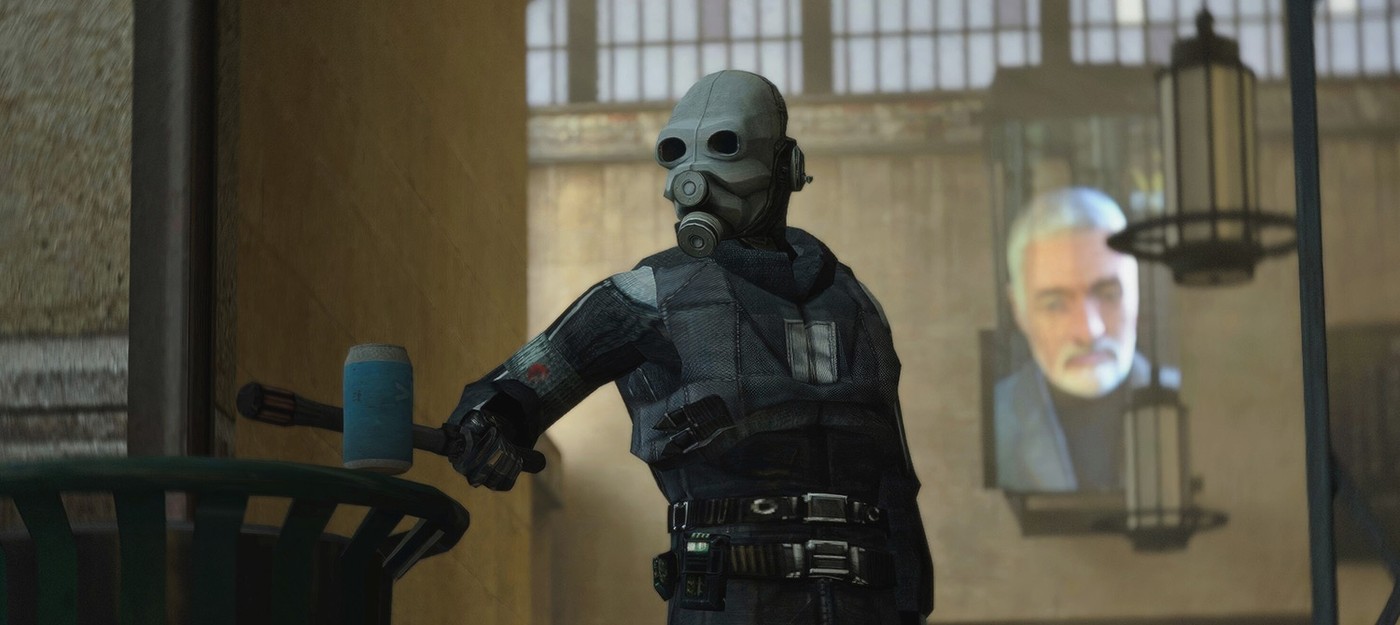
Valve launching Steam back in 2004 changed how PC games get distributed almost overnight, and plenty of people rank that decision right up there with Nintendo making Super Mario Bros. and Sony creating the PlayStation.
One of the creators of Counter-Strike believes it all started with Gabe Newell getting fed up with publishers.
Minh Le worked on the original Counter-Strike, and after selling the multiplayer shooter to Valve, he spent several years at the studio under Newell.
Speaking with the Indie Game Joe YouTube channel, he explained how a rough partnership with Sierra pushed Valve toward building its own platform:
I think Gabe was the guy who said, "Fuck these publishers." Valve, they were working with a company called Sierra, which was their publisher. So Sierra was publishing Half-Life, and I think they published Half-Life 2, but working with Sierra was such a bad experience and it left a really sour taste in Gabe's mouth that he wanted to just say, "Fuck it. I never want to deal with publishers anymore."
Sierra only ended up publishing the first Half-Life. By the time the sequel was in development, the relationship between the two companies had soured so badly that lawsuits started flying in both directions. That sequel turned out to be crucial for Steam launch, since Valve made the new platform mandatory for anyone who wanted to play Half-Life 2 in 2004.
The plan relied on the massive hype surrounding the sequel – all those people waiting for the game essentially became an instant user base for the fledgling digital storefront. Not everyone inside Valve was convinced it would actually work, according to Le.
A lot of people at Valve, a lot of my coworkers, we were like, "Is this going to work?" Because this was 2001, 2002. In 2002, peoples' internet was not very good, [it was] very slow. So we had these physical stores where you had to go and buy your games.
Back then, I would say everybody was just buying the game. There was no such thing as downloading games. Everybody's internet was so slow. We were like, "It's taking me a day just to download Half-Life, this is not gonna work."
Le admits the team didn't have the forethought to predict the rise of broadband, Wi-Fi and the internet speeds we take for granted today.
We just didn't really anticipate the speed at which the internet would grow. Seeing everything change, 25 years on, and watching Steam's evolution has been really eye-opening.
Valve remains a private company with no outside publishers to answer to these days, and Steam now handles tens of millions of concurrent users as the go-to storefront for PC gaming.