Dragons, blizzards, and ants: Why harsh Skyrim is considered one of the coziest games 15 years later

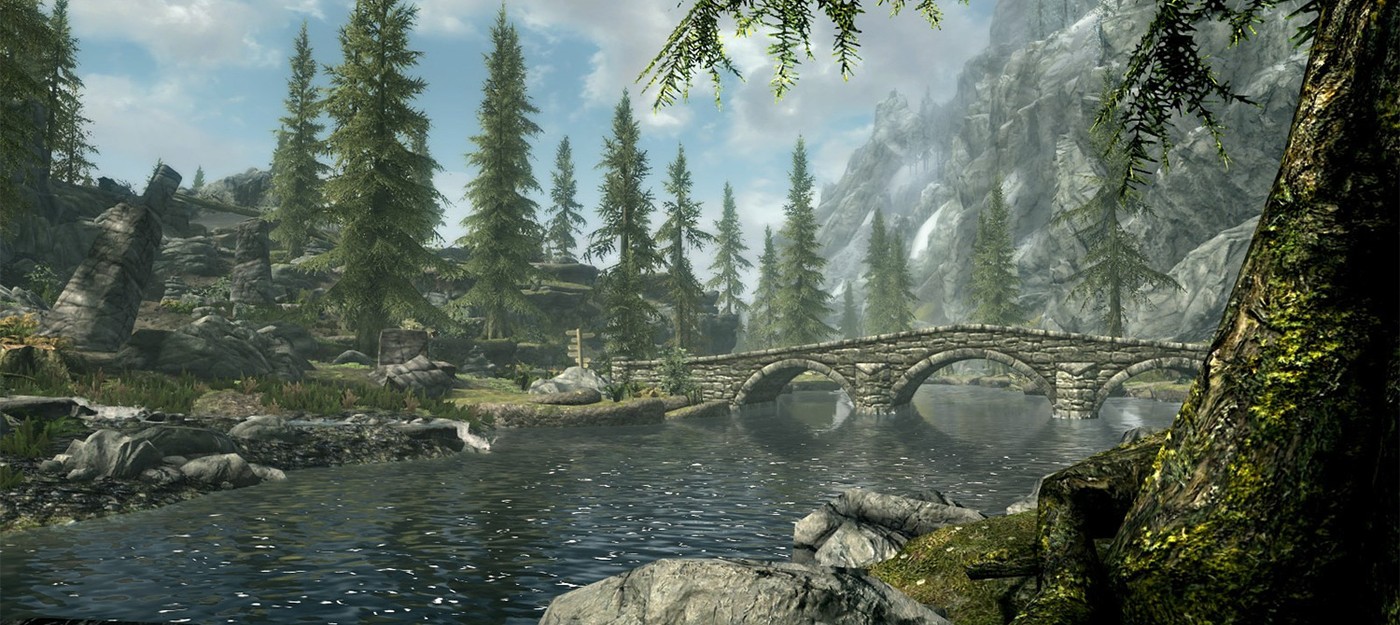
Fifteen years ago, on November 11, 2011, Bethesda released The Elder Scrolls V: Skyrim. Since then, the game has been re-released several times, landed on nearly every current platform, and picked up thousands of mods. Fans are still waiting for The Elder Scrolls 6, but many keep returning to Skyrim not for the story or quests, but for a sense of coziness that's hard to explain.
YouTube regularly gets video essays asking the same question: why do people still play Skyrim after all these years? Almost all of the authors land on the same answer. Players aren't sticking around for the gameplay or the plot, but for a world that's simply pleasant to spend time in.
At first glance, that makes sense. Think about it for a moment, though, and it's a paradox. Cozy games like Stardew Valley or Animal Crossing usually skip danger and pressure, and their worlds are bright, warm, and often cartoonish. Skyrim is classic dark fantasy: a frozen province full of dragons, draugr, bandits, and other creatures that will kill the hero at the first opportunity.
Some players install mods that remove enemies, change mechanics, and even clear away the clouds, pushing the game closer to Animal Crossing. Many admit, however, that the original version feels cozy too, dragons and blizzards included. Hunting for the reasons behind it turned out to be more interesting than expected.
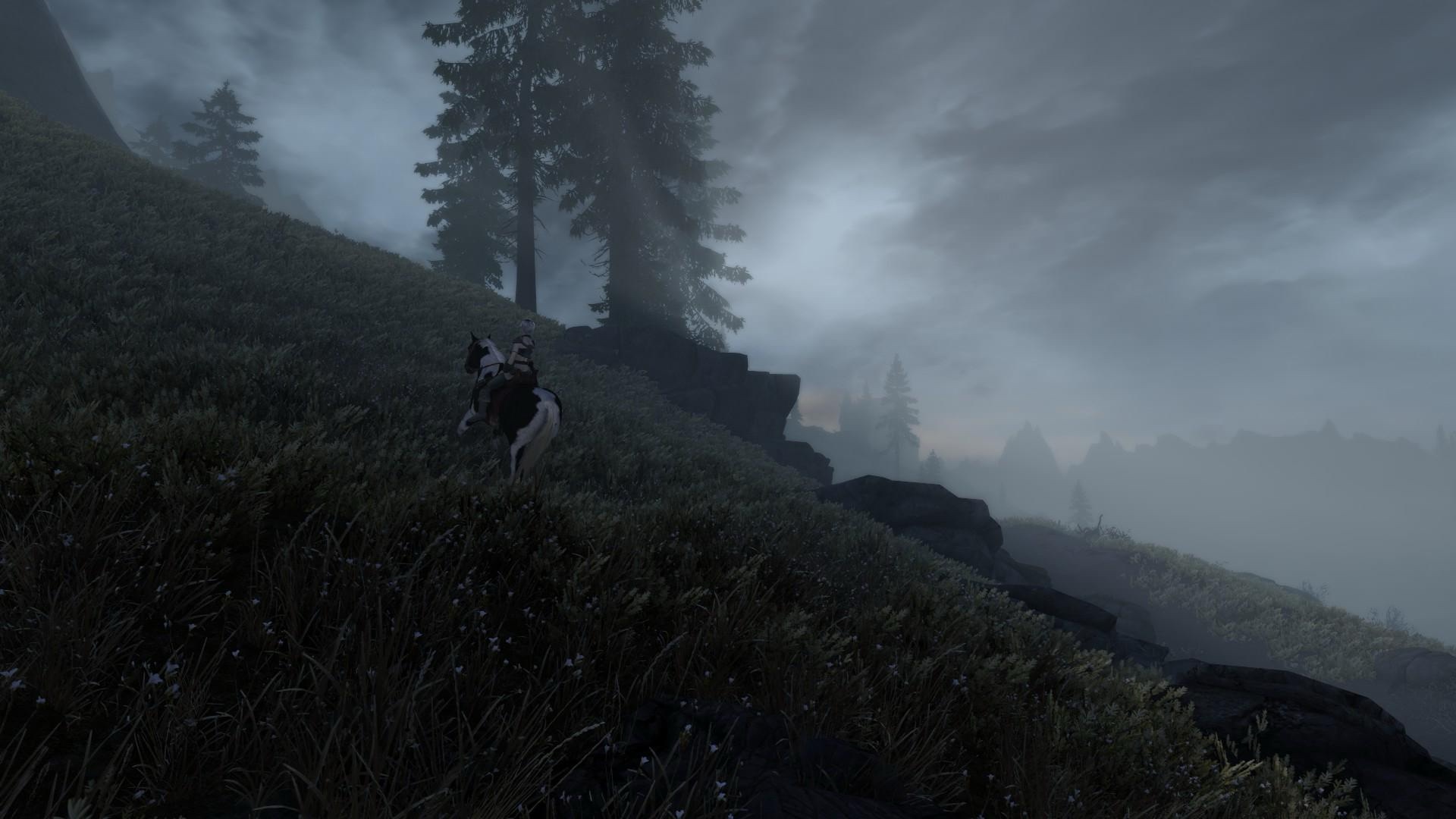
The most popular explanations don't hold up well under scrutiny. The awe-inspiring landscapes and the music of composer Jeremy Soule certainly play a part, but a supporting one. Players describe a similar kind of coziness in BioShock or Batman: Arkham City, which look and sound completely different.
Nostalgia doesn't explain everything either. The world of Skyrim has become an old friend for many, and booting up the game brings back the carefree years of a first playthrough. Yet fans say the feeling of coziness was exactly the same back in 2011, when there was no nostalgia to speak of.
Another theory involves player skill. The longer someone plays, the better they get, so the world feels less dangerous and therefore cozier. In practice, it works the other way around. With a weak character, even a fight with an ordinary enemy turns into a struggle for survival – and Skyrim feels even cozier.
Researchers have an explanation for this paradox. Early work on cozy game design tied coziness to the absence of threat, but today that relationship is seen as far more complicated. Polish media scholar Agata Waszkiewicz argued in an article about the rise of dark cozy games like Dredge and Cult of the Lamb that danger and coziness don't necessarily cancel each other out. Designers can even use one to amplify the other:
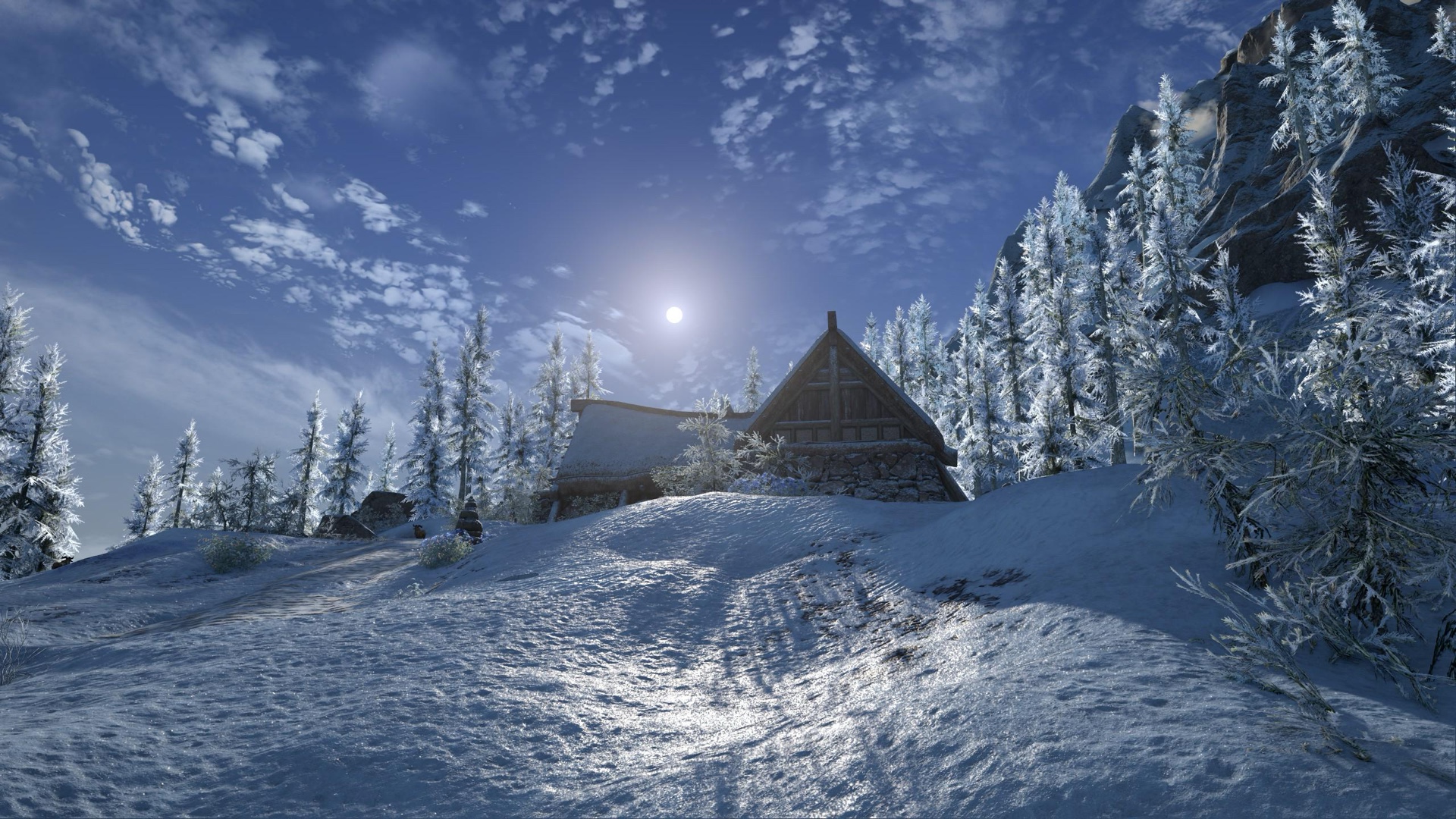
Coziness is a tricky concept to define, so we often do it by juxtaposing it with something that clearly is not cozy. There's a reason everyone always talks about being wrapped up in a blanket, drinking tea or hot cocoa, while it is pouring outside. That contrast between outside and inside makes coziness more pronounced and easier to grasp.
Rachel Kowert, a research psychologist who specializes in games and mental health, agrees. A cabin feels warm because of the blizzard outside, she says. The psychology of cozy games reminds Kowert of Prospect-Refuge theory, formulated in 1975 by British geographer Jay Appleton.
According to the theory, people are evolutionarily drawn to spaces where they can see out over the world while staying sheltered from it. In FromSoftware games, such spots are easy to find – bonfires in Dark Souls, lamps in Bloodborne, and sites of grace in Elden Ring. They shield players from enemies, even ones standing right beside them, and let them level up, replenish resources, and prepare for the road ahead.
Skyrim has no bonfires, but there's no shortage of similar places. Picture the hero crossing a mountain pass as a dragon flies overhead and, far below, a giant slowly herds his mammoths. Those are the moments when the world feels most peaceful and Soule music sounds most relaxing.
Mark Teare, a former Bethesda effects artist who is now working on a cozy game of his own, offers a different theory. In his view, part of the answer is ants. Skyrim does have ants, and Teare is the one who added them, despite the studio's initial protests. He told IGN more about it:
My boss saw them and was like, "No one is ever going to see them. Why are we wasting time on this?" But for me they were a big deal, precisely because they were so small. Once you notice them, the world just feels so much bigger. You wonder: how many other things am I walking by and not even seeing?
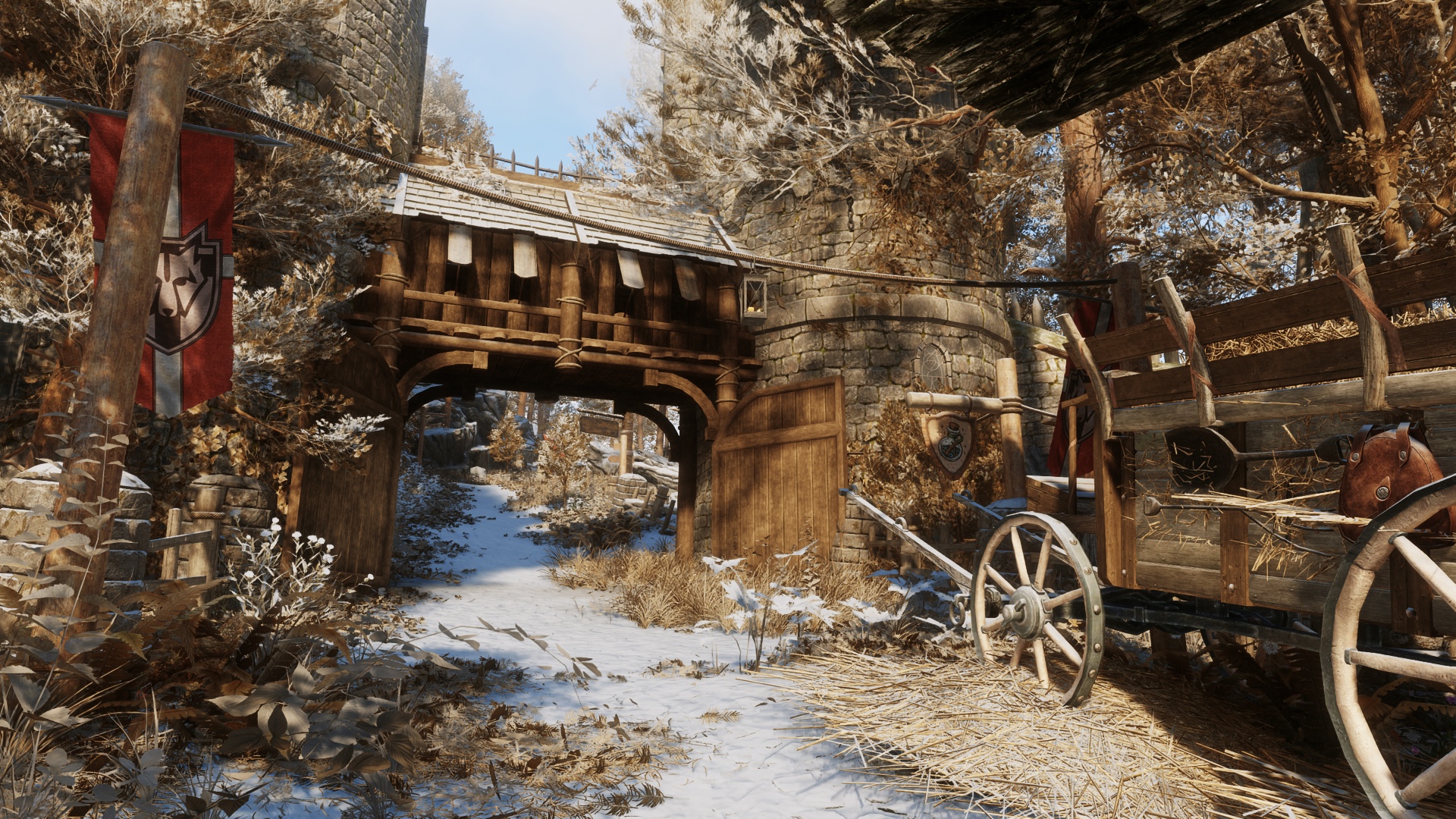
That logic touches on several core principles of cozy game design, including presence and connection. Such games encourage players to slow down and notice things that would go overlooked in other genres. Small details like insects also create a sense of intimacy – not with other players, but with the developers themselves.
These little details didn't need to be there, but their presence shows players that we cared, and they feel that.
Jeremy Soule once voiced a similar idea. In an old interview, the composer said he wanted the music to be a constant companion for the player. His goal wasn't to feed a power fantasy, but to make players feel less alone and sense that there's meaning in what they're doing.
It doesn't matter how well someone knows Elder Scrolls lore – the ethereal Soule soundtrack gives the feeling that some god is watching over the hero. Despite the civil war and the return of Alduin, the world of Skyrim feels fundamentally in harmony.
The most compelling explanation may be that Bethesda never set out to make the game cozy at all. Teare admits the topic simply never came up during development.
I was down in the trenches, so I'm not sure what the big, big plans were, but I don't remember any discussion or mandate or anything, and none of us were actively thinking about coziness while working.
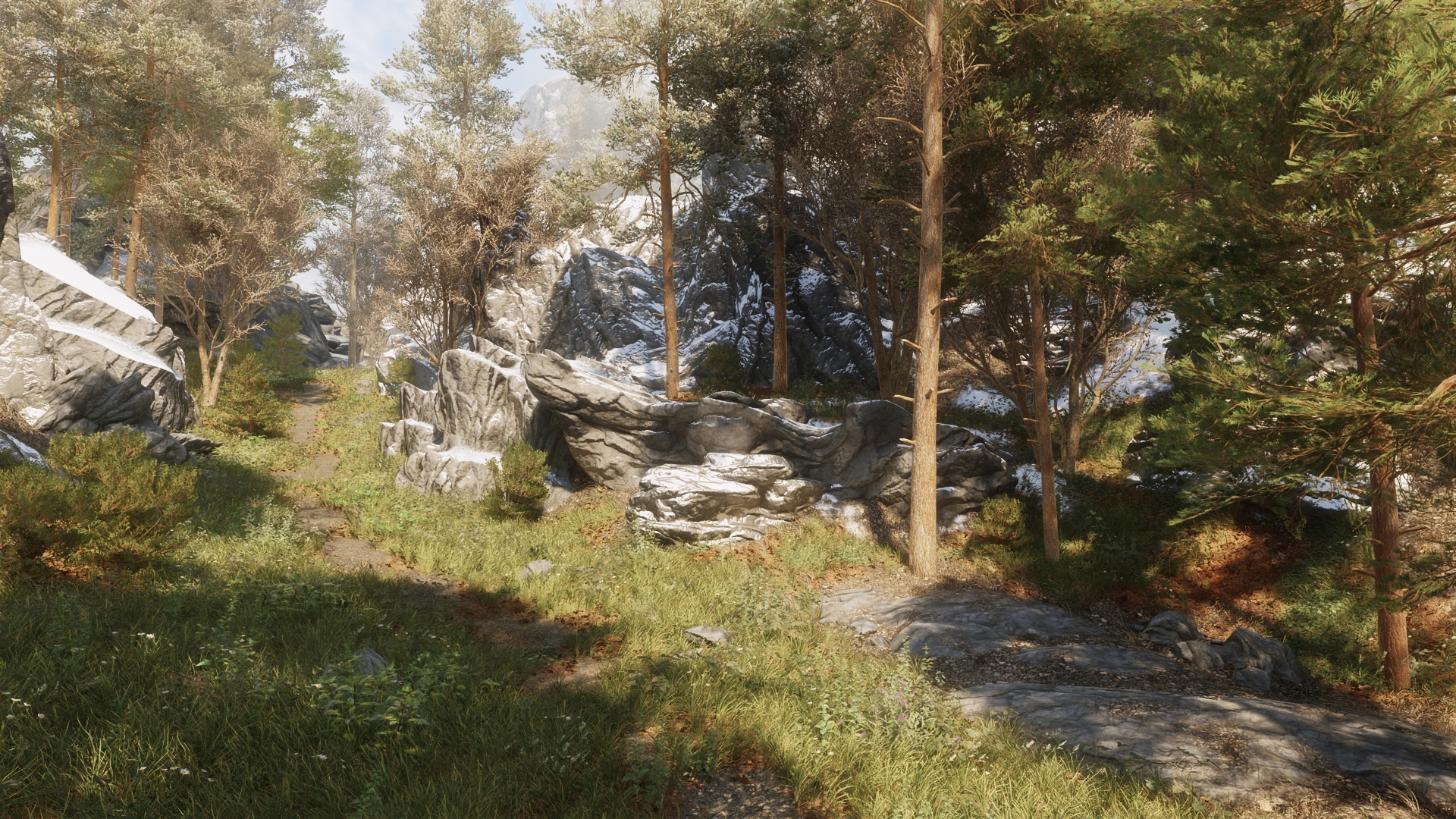
During the conversation, Teare brought up ASMR, a sensation closely related to coziness that heavily influences his current projects. Despite the abundance of successful ASMR creators, many fans believe the strongest effect happens by accident. According to Teare, when someone tries too hard, the result feels manufactured. The best ASMR performers, he says, are really good actors who make what they're doing seem natural even though it isn't.
Coziness appears to work on the same principle. Research on cozy game design often mentions the Danish "hygge" and the Dutch "gezelligheid," both usually translated as coziness. The Dutch know well that gezelligheid can't be forced into existence. Like at a great party where everyone gets along, the feeling arises on its own when the stars align, with no effort required.
As Waszkiewicz noted, coziness is difficult to define. It comes together differently for everyone, and even two cozy games are rarely cozy in the same way.
- Players are unhappy with how Bethesda is handling their beloved The Elder Scrolls franchise – a collaboration with IKEA instead of DLCs and a new game
- 15 years later, Skyrim fans noticed that Todd Howard was playing a fully leveled mage during the demo
- Oblivion and Skyrim have completely different types of thieves guilds – how The Elder Scrolls changed its attitude toward crime