Impressions after 45 minutes in Lego Skylines – a cute little town unexpectedly turns into a serious megapolis simulator

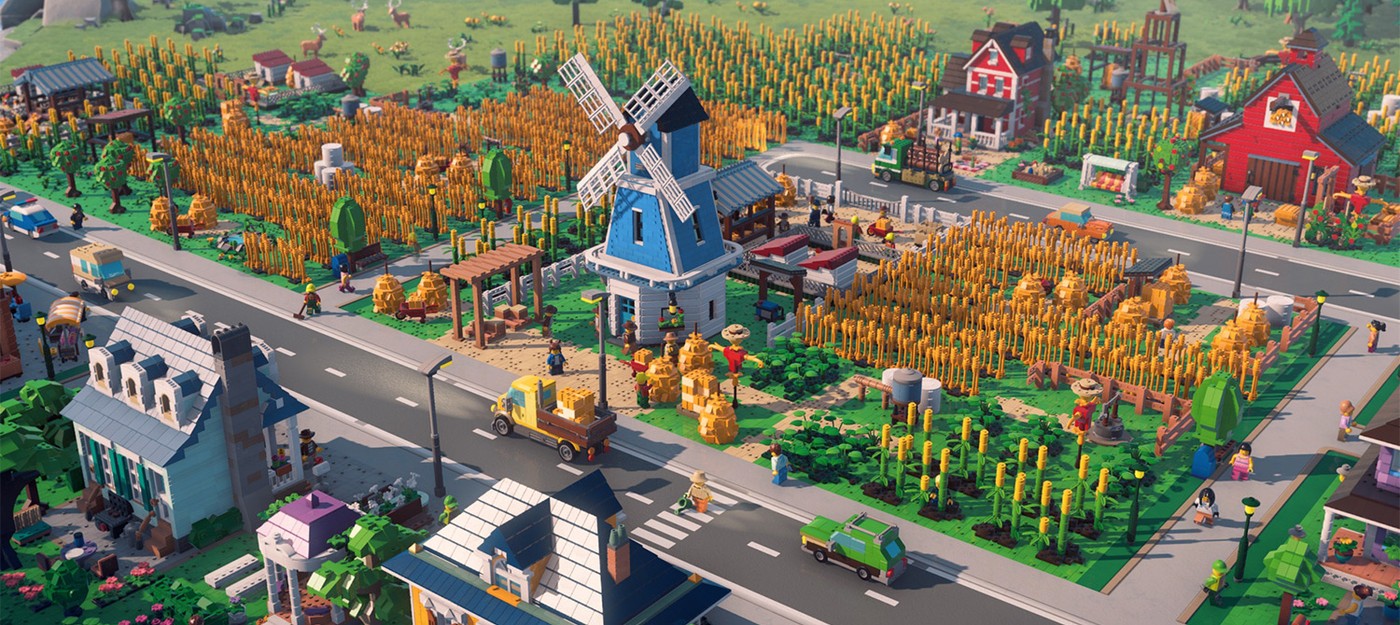
Lego Skylines looks exactly like what you'd expect at first glance, but give it half an hour and the game starts behaving quite differently. Paradox Interactive and Finnish studio Iceflake Studios showed a playable build at gamescom, and the developers are keeping the biggest details under wraps for now.
Iceflake currently steers the Cities: Skylines franchise after original studio Colossal Order stepped away following the disastrous launch of Cities: Skylines 2. It'd be reasonable to assume the new game is a stripped-down, ultra-accessible brick-built version of the series. The opening minutes certainly give that impression.
The game starts with a boat ride to an untouched island on your first day as a Master Builder. Almost immediately a request comes in – a family needs a house – unlocking a range of "small home" prefabs, from a traditional suburban house to a ranch-style build. Pick one and it assembles itself on the spot, brick by brick, in a satisfying quick animation.
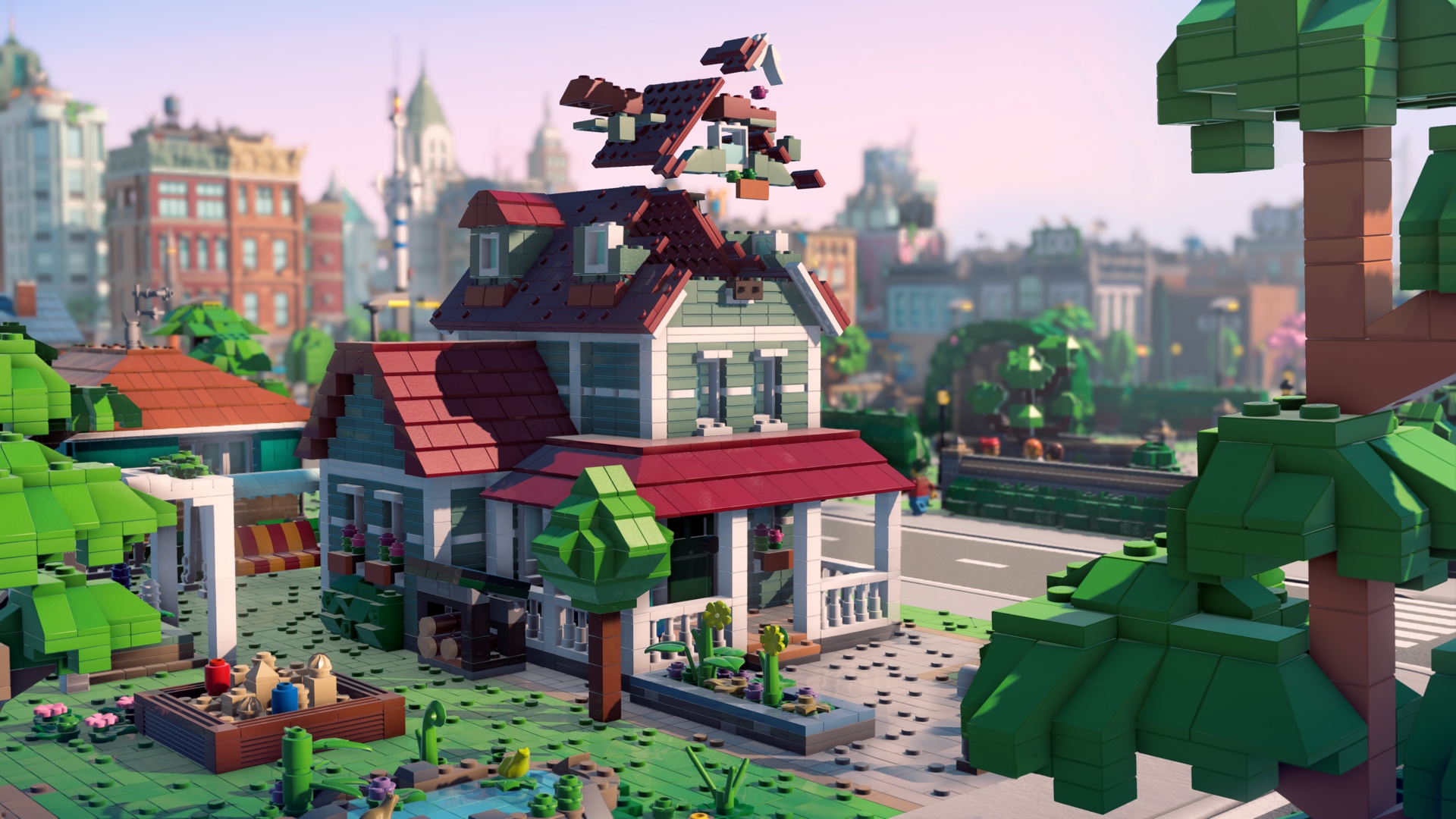
At this early stage it's a city builder working at an intimate, almost micro level. Progress comes from citizen requests rather than abstract charts. The second task already brings the Lego side to the front – you head into edit mode to decorate the garden around the house you just built.
The options are extensive: Lego plants, lamps, fences, garden gnomes, hot tubs, BBQs and plenty more small touches. Creative players could stay busy here without ever touching the wider simulation. Each citizen also has their own decoration "flavour" preferences, so the type of decor you use – cosy, for instance – affects how a specific character feels.
From there the familiar city-building routine kicks in. Roads get laid by dragging and dropping, built from those classic grey Lego street plates with markings. A farm shows up after residents ask for jobs, fields follow for producing goods, and shops sell those goods, bringing tax income into the treasury.
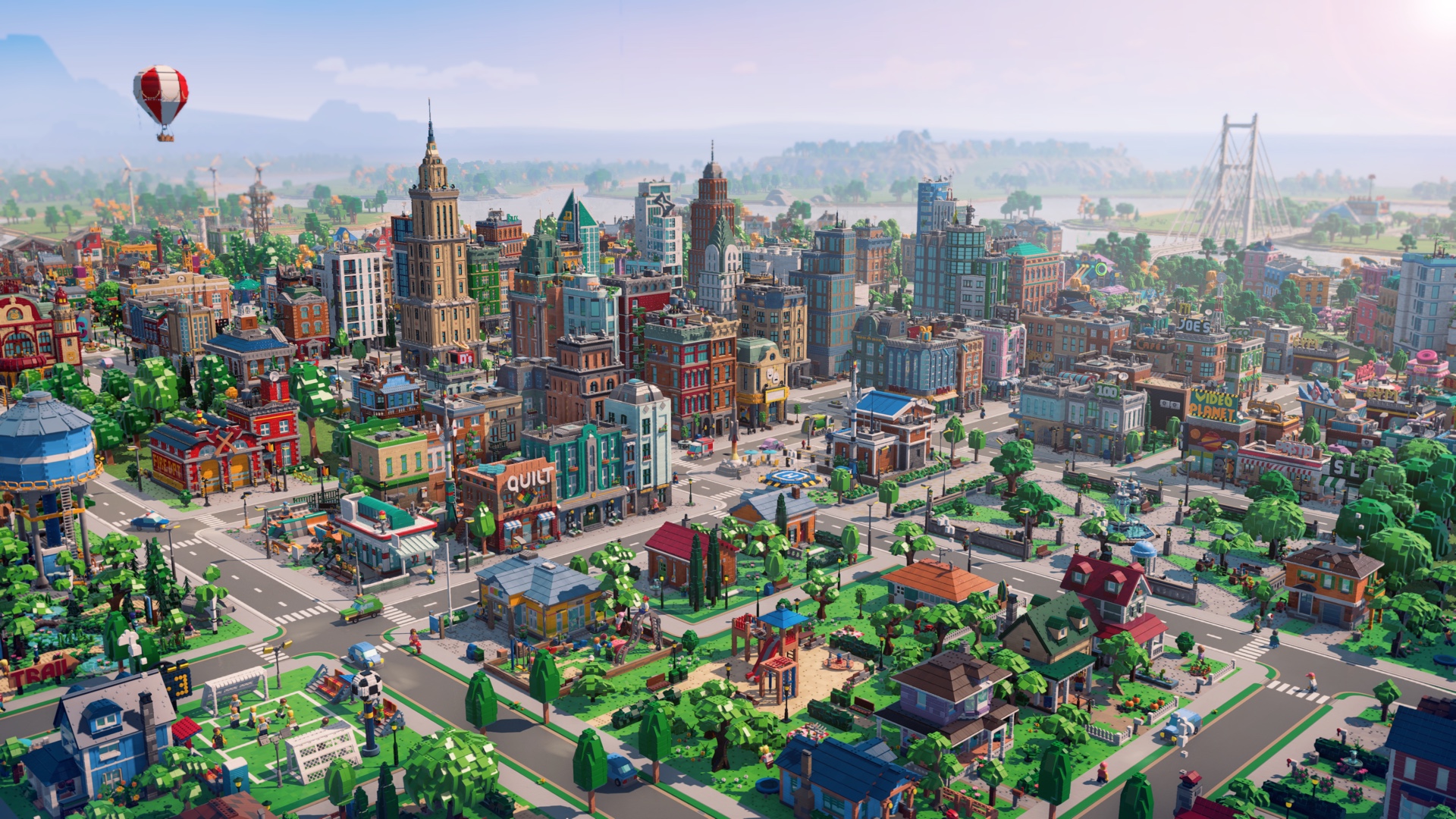
Billboards, parks, trees, fountains and sculptures come next. Decorations aren't just for looks either – they boost appeal for citizens in surrounding areas. A chaotic scatter of houses gradually turns into planned streets.
Small details make the world feel alive. Zoom in close enough and you'll spot tiny figures playing basketball on a court, or police officers calmly munching on doughnuts.
The turning point comes when an Iceflake representative opens a map from a later stage. The cute little town gives way to a sprawling Lego metropolis, sirens blaring as fire engines, police cars and ambulances race through the streets, crowds of tiny people moving between buildings, skyscrapers piercing the clouds. The scale shift is unexpected enough that the toy-like feel disappears entirely – this becomes a full-on sim.
Lego Skylines game designer Lasse Liljedahl lays out the studio position directly.
This is a cosy city builder, but for adults. This is not a game for kids, the complexity is too high.
That doesn't mean the game isn't suited to family play – nobody's stopping you from building a city alongside a younger Lego fan. The studio just isn't trimming systems for accessibility's sake, instead approaching the genre from a different, more personal angle.
The list of systems is substantial. You'll deal with rubbish collection, recycling, ground pollution and noise, and unlocking certain industries requires higher education buildings. Families need childcare and elder care, and every citizen needs something to do in their free time.
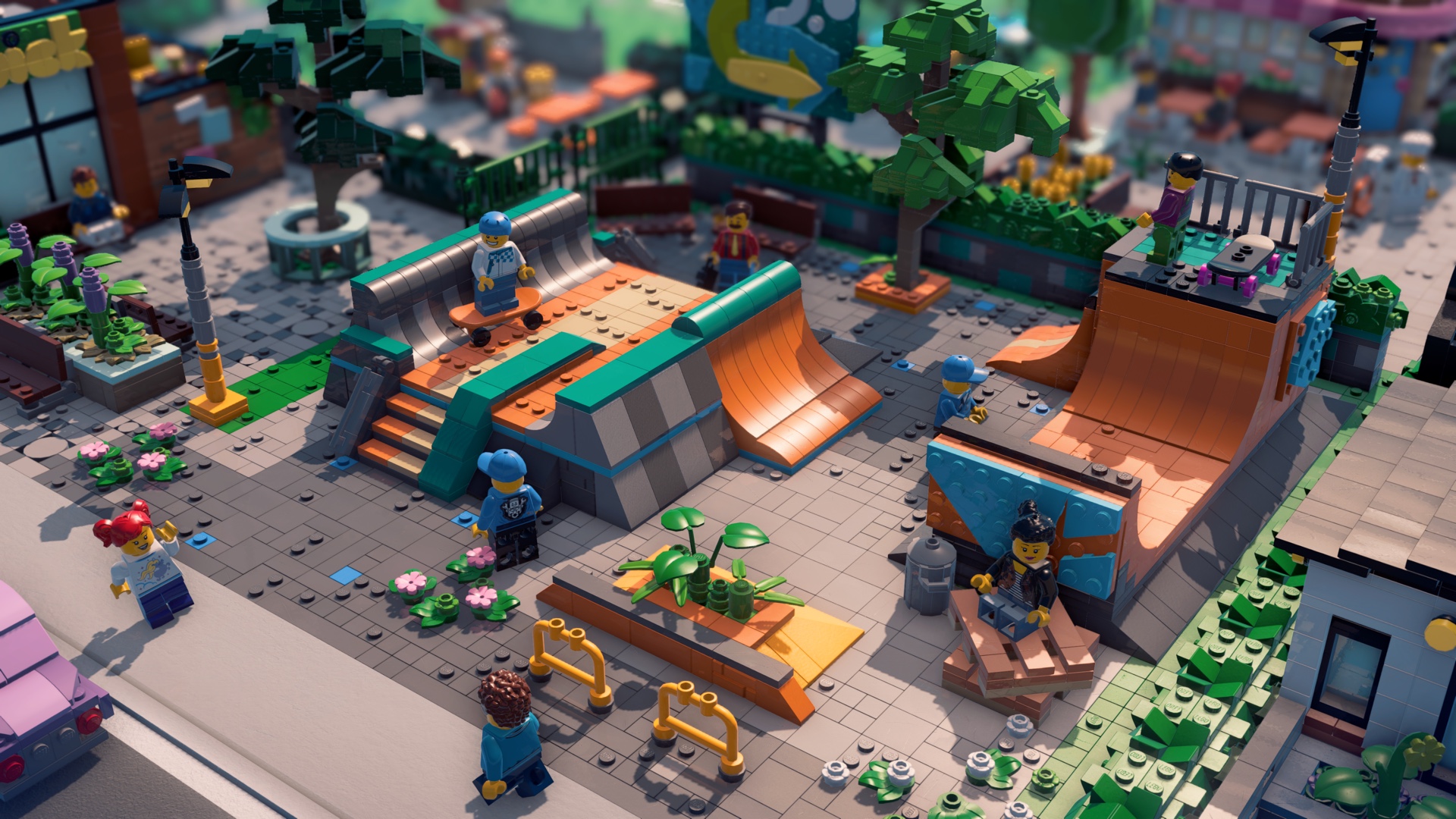
There are city specializations leaning into culture, sport, or science, plus bigger end-game buildings like stadiums. Transportation comes through buses and railroads, while communication shows up most visibly as large radio towers.
Progression splits across several tracks. Core progress runs on milestones that unlock new buildings and features as you complete basic tasks and rack up XP, while separate currencies feed into late-game opportunities.
Liljedahl notes that growing bigger and wider isn't mandatory. You could stay at the scale of a small settlement and focus on polish and customization instead of expansion. Another option: link several small towns together for extra scale without going full metropolis.
The full range of features, based on the explanations given, ties to population size, but the game is designed so core amenities stay available no matter how you choose to play.
The biggest question after the demo concerns how deep customization actually goes. Lego bricks aren't just meant to be looked at, and it'd be good to know whether players can design their own houses, factories, shops, cars, ambulances, and monuments from scratch, then share them with others. This is exactly where Iceflake and Paradox dodge a direct answer for now.
This is a Lego game and this is a Paradox game. So it's very natural that there's a lot of ability to customise your own city. But there's a lot we're not yet showing, so we will come back to those a little bit later.
There's no release date yet, but you can add the game to your Steam wishlist.