Fans finally find Gabe Newell in the Windows 1.0 credits – the creator of Steam worked at Microsoft before Valve

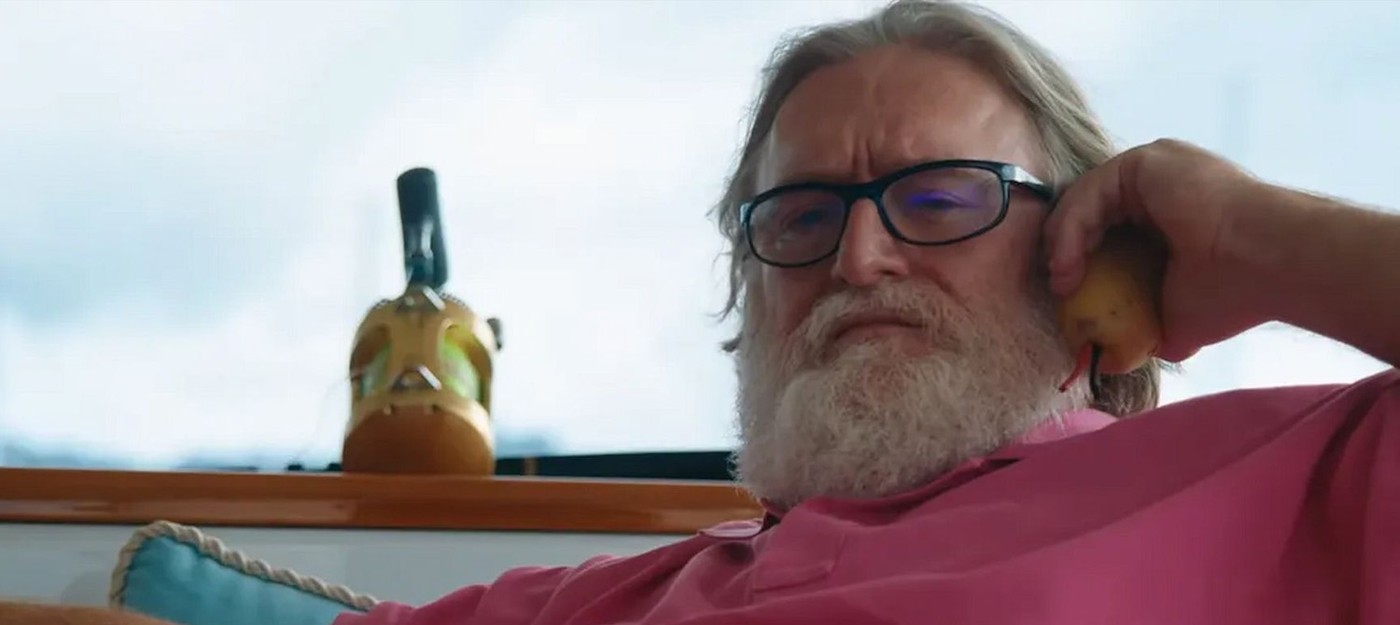
Gabe Newell's name has been found in a hidden Windows 1.0 credits list that went largely unnoticed for almost 36 years. The future Valve co-founder joined Microsoft in 1983, two years before the first Windows launched in November 1985.
For gaming history, it's a curious detail: the man whose studio later built Steam started out on a graphical shell for MS-DOS.
Newell working at Microsoft is old news. He spent 13 years there, and according to Wikipedia worked on the first three Windows releases before leaving in 1996 to found Valve with Mike Harrington.
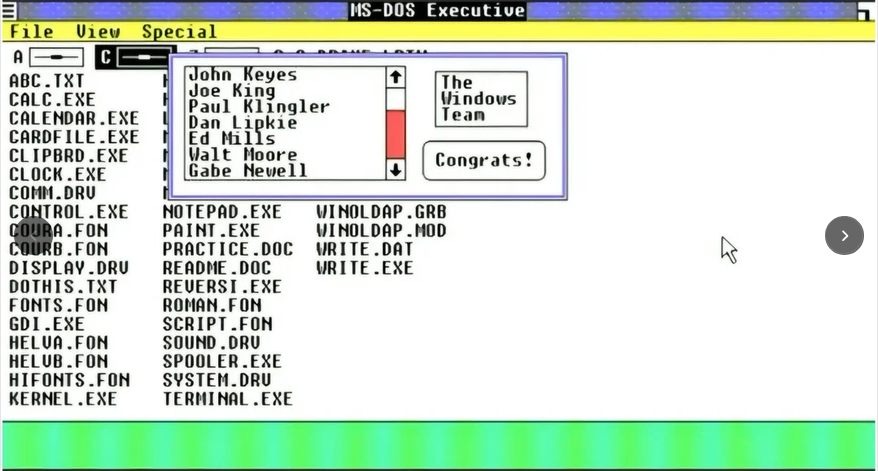
Only the credits confirmation is new. It also puts a dent in a popular joke that Newell left before Windows 3.0 and has feared the number three ever since, which supposedly means no Half-Life 3. Windows 3.0 came out in 1990, and he left six years later.
That background paid off in games, too. Newell took part in porting Doom to Windows to prove the system was good for more than office software. Most titles were still running on DOS at the time.
Half-Life was later built on a modified Quake engine, and Michael Abrash, a former Microsoft colleague of Newell and Quake co-author alongside John Carmack, worked on its technology. Abrash joined Valve in 2011.
Newell has a complicated relationship with his former employer. In 2012, he called Windows 8 a "catastrophe" for everyone in the PC space, after which Valve turned to Linux. Steam for Linux, SteamOS, the Proton compatibility layer, and Steam Deck followed. At one conference, a demo PC crashed with a blue screen, and Newell shrugged it off:
That's what I get for having worked at Microsoft.
Newell once built Windows for Microsoft, and now he's opening a door to Linux for gamers.
- Players are delighted that Valve is asking permission to collect FPS data in the Steam beta client
- Valve sends developers very expensive chocolate every year for $800,000 or more in revenue
- Users like that Valve remains a company that highlights dislikes while Google hides them on YouTube