Elon Musk says that by 2030 humanoid robots will consume more DRAM than anything else on the planet

The global memory shortage has dragged on for about a year and has already pushed PC part prices up noticeably. The main culprit is the insatiable demand from AI data centres. It's logical to assume the market will recover if the hype cools off or production catches up with demand.
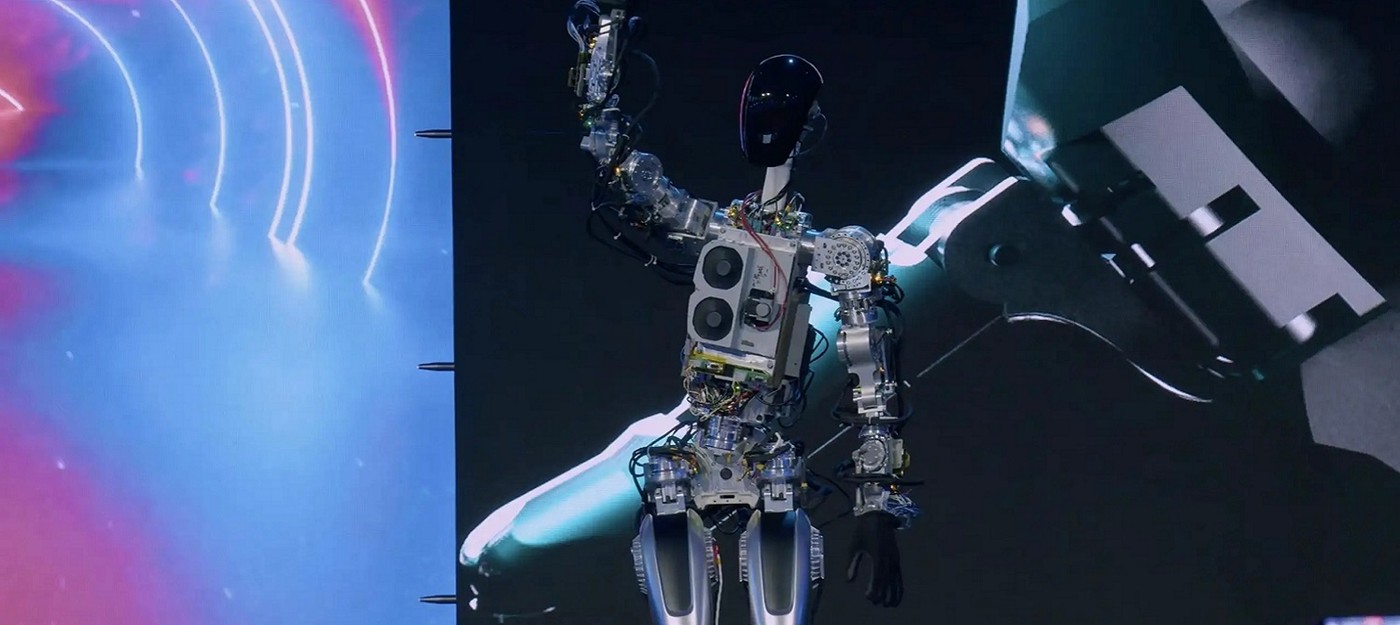
Elon Musk, the head of Tesla and SpaceX, has stirred up some worry. He said "Robot RAM needs will exceed everything else on Earth". The comment appeared on X in reply to a post about Counterpoint research, which Musk was effectively defending.
According to Counterpoint, humanoid robots will demand 20x more DRAM by 2030 than they do today. P Equity Research shared a chart from the report showing the jump. The current 8,300 terabits (Tb) needed by "humanoid robot brains" will grow to 172,000 Tb.
Predictions already suggested memory supply would fall short of demand into 2030 and beyond. A 20-fold increase in demand from robots looks like extra strain on the market that could keep component prices high.
The numbers say otherwise, though. Global DRAM capacity is estimated at about 40 exabytes (EB). One exabyte equals 1,000,000 terabytes (TB), or 8,000,000 terabits, so 40 EB comes to 320,000,000 Tb.
Counterpoint's forecast of 172,000 Tb means robots would demand about 0.05% of current global capacity. That's a tiny sliver compared with how much memory AI consumes today and how much manufacturers actually produce. By 2030, as capacity grows, the share will look even smaller.
Musk's remark, for its part, doesn't really claim that robots will need more RAM than AI.
Humanoid robots could make a meaningful dent in the shortage only if AI data centres really did move into space. Until then, the memory market still hinges on how the AI bubble plays out.
- New Tesla Roadster accelerates to 60 mph in 0.81 seconds and does barrel rolls in the air
- California authorities demand an end to fights between humans and 180-centimeter robots
- The first fight between a human and a humanoid Terminator-like robot took place in San Francisco