Photos from 26 years ago showing PS2 launch lines remind us of times when people queued for the console itself, not for resale

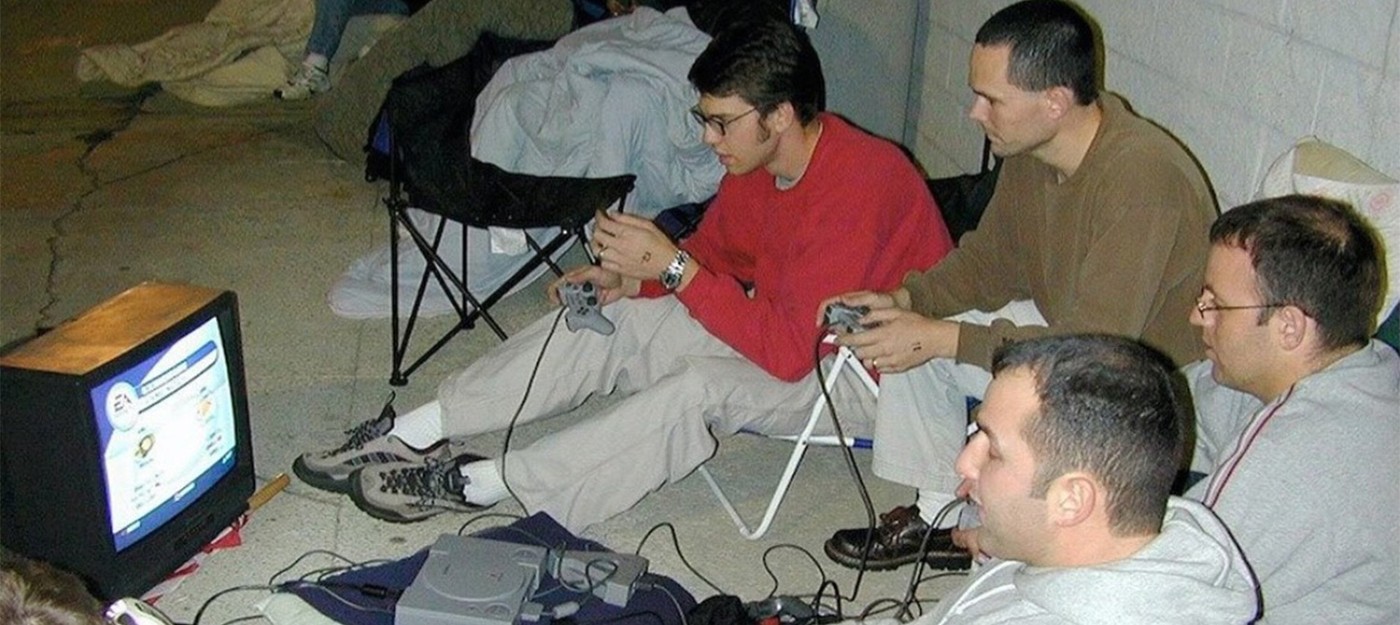
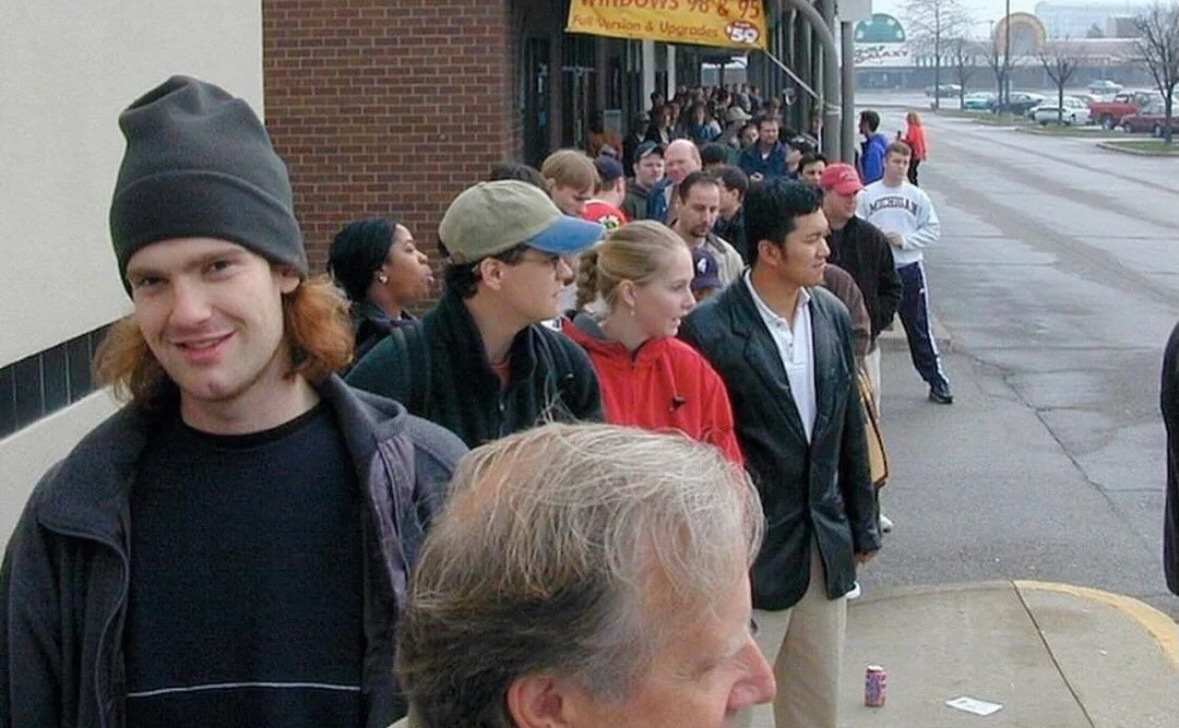
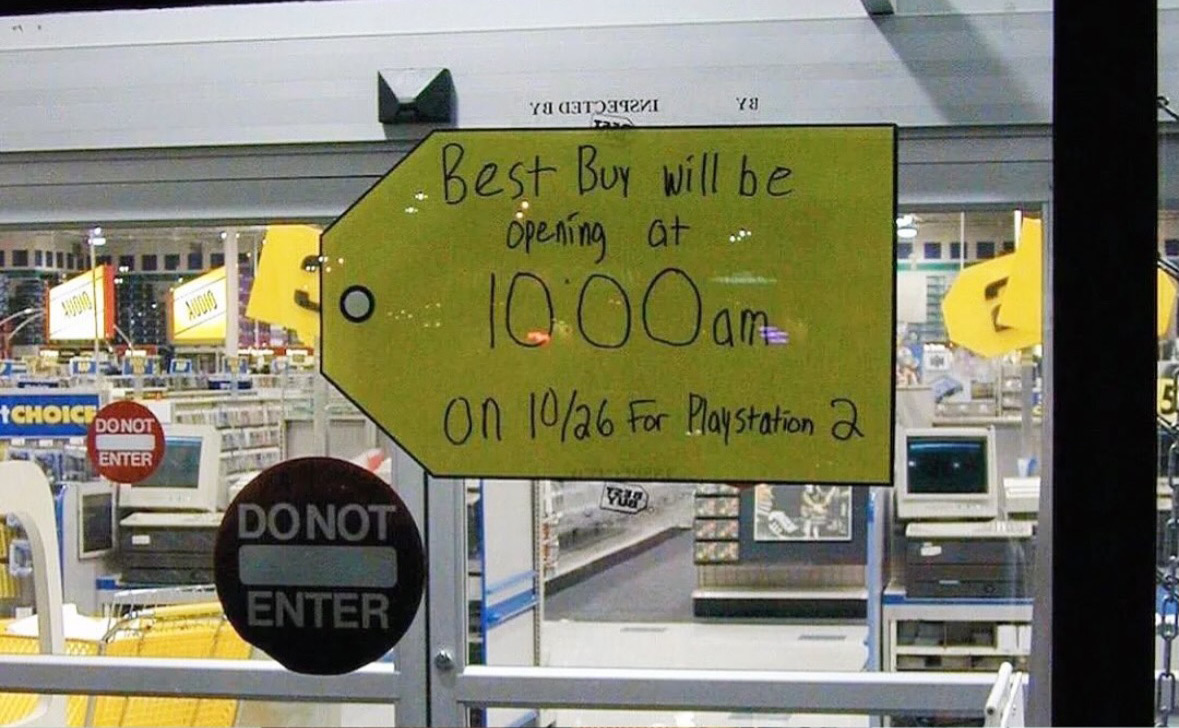
Photos of the overnight line from October 26, 2000, and the subsequent PS2 launch have brought back memories of the good old days.
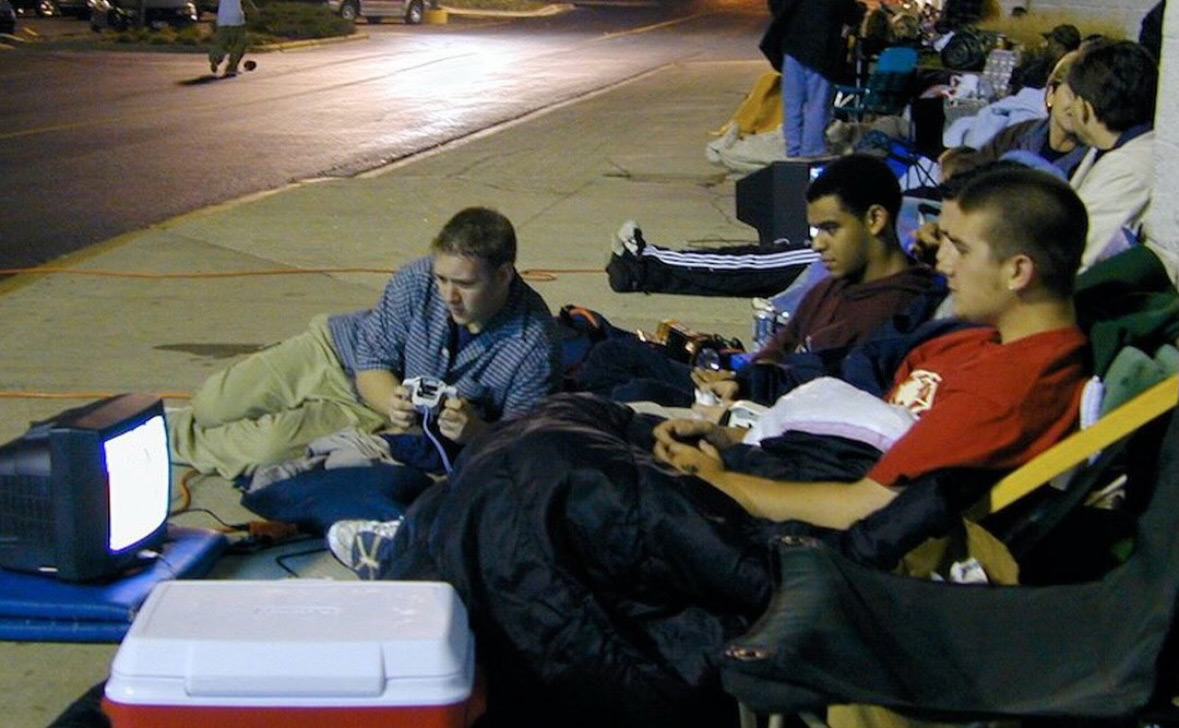
The pictures show a group of people outside a store with folding chairs, a TV, and a PS1 running while they wait for the doors to open.
The lines formed because of actual shortages, not just hype. Sony planned to ship a million consoles to North America for launch, but manufacturing issues with the Emotion Engine chip and component shortages meant only half that number actually arrived.
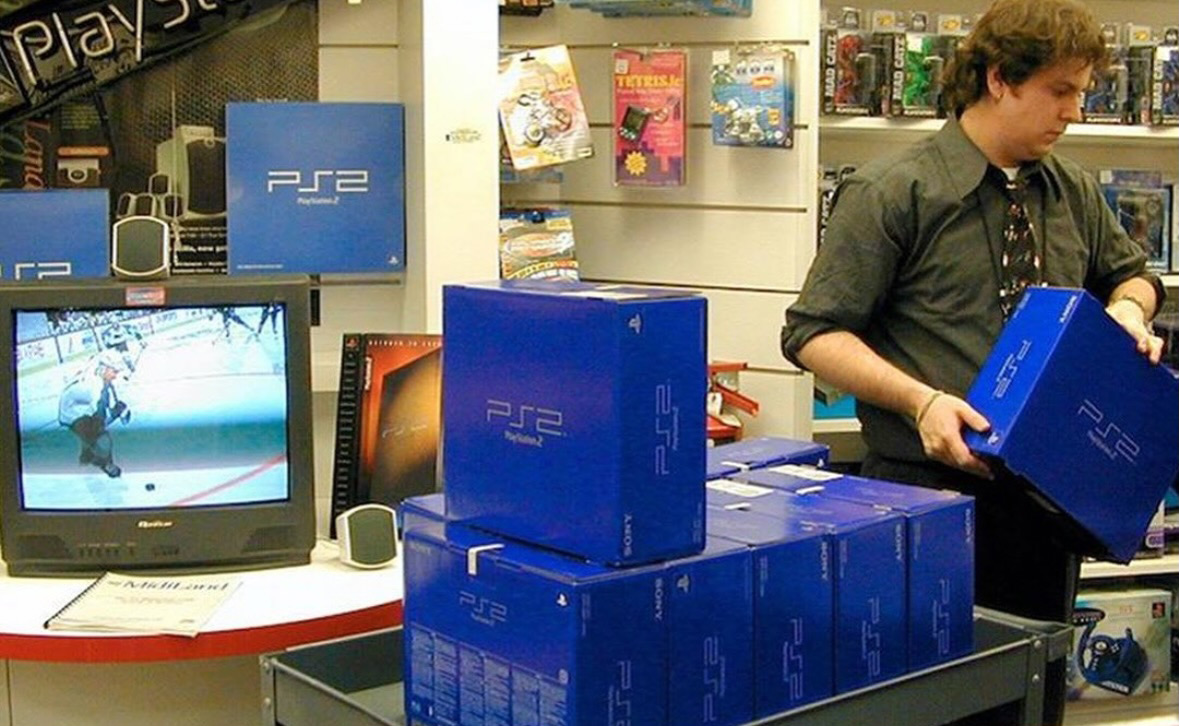
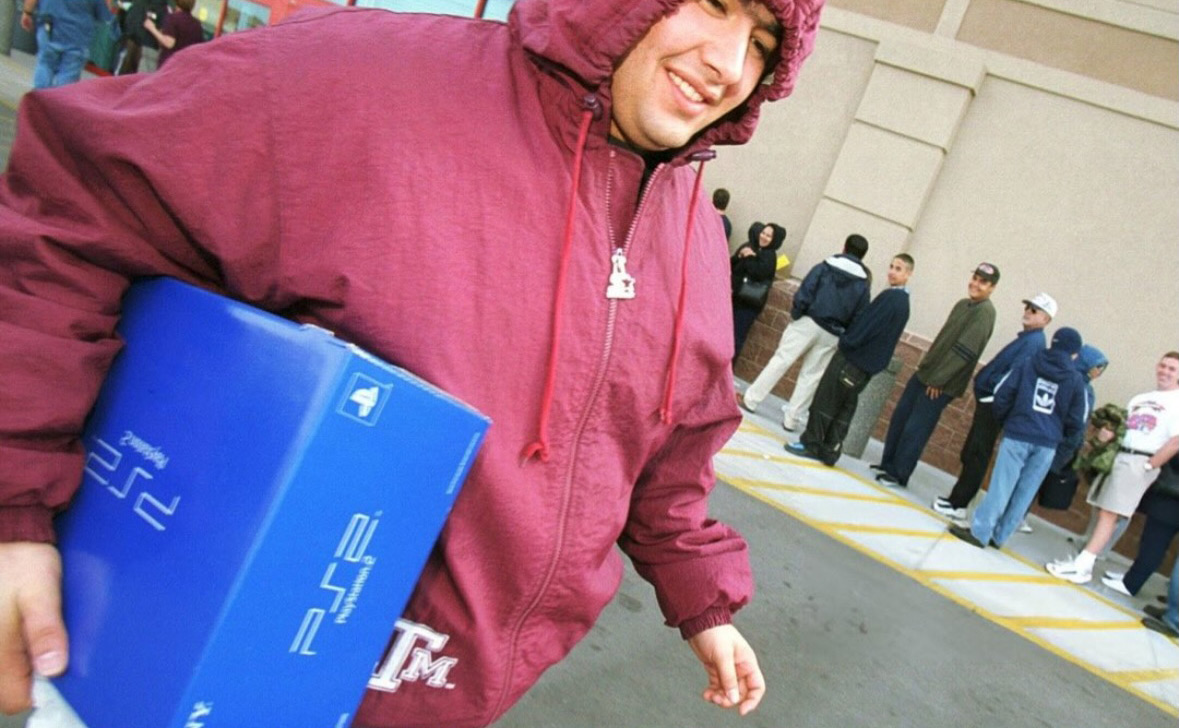
Things got worse from there. Roughly 100,000 units a week arrived in the region before Christmas, stores sold through their stock in hours, and resale prices topped a thousand dollars against a $299 MSRP.
The price explains why not everyone in line was a gamer. Standalone DVD players cost between $400 and $700 at the time, making the PS2 the cheapest way to watch movies while also playing games and the entire PS1 library.
A former Sears employee recalled that management banned staff from buying consoles out of the shipment, and a manager who bought one with a store card got threatened with firing unless he returned it.
Another gaming veteran was stationed in Kosovo at the time, where the base store received just five consoles for a line of fifty people. He traded shifts to land fourth place, but the shipment got delayed, and by the time the consoles arrived he had already gone in for surgery. He ended up chasing his money down through the chain of command after a fellow soldier held onto it.
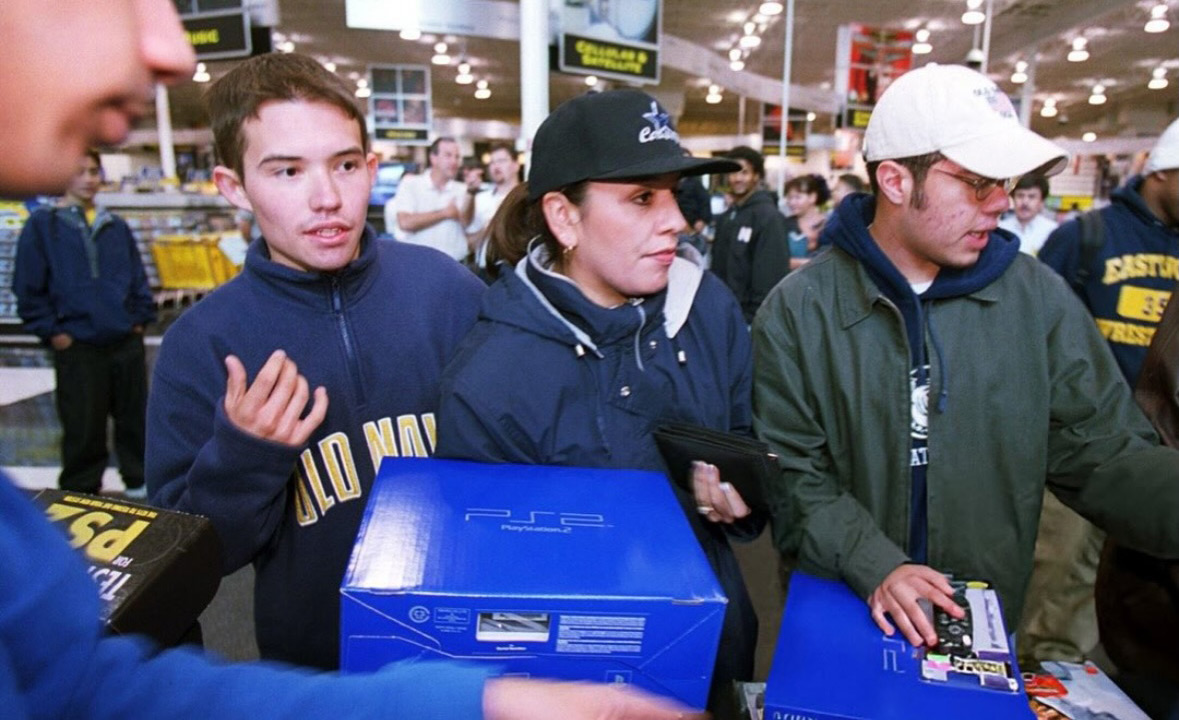
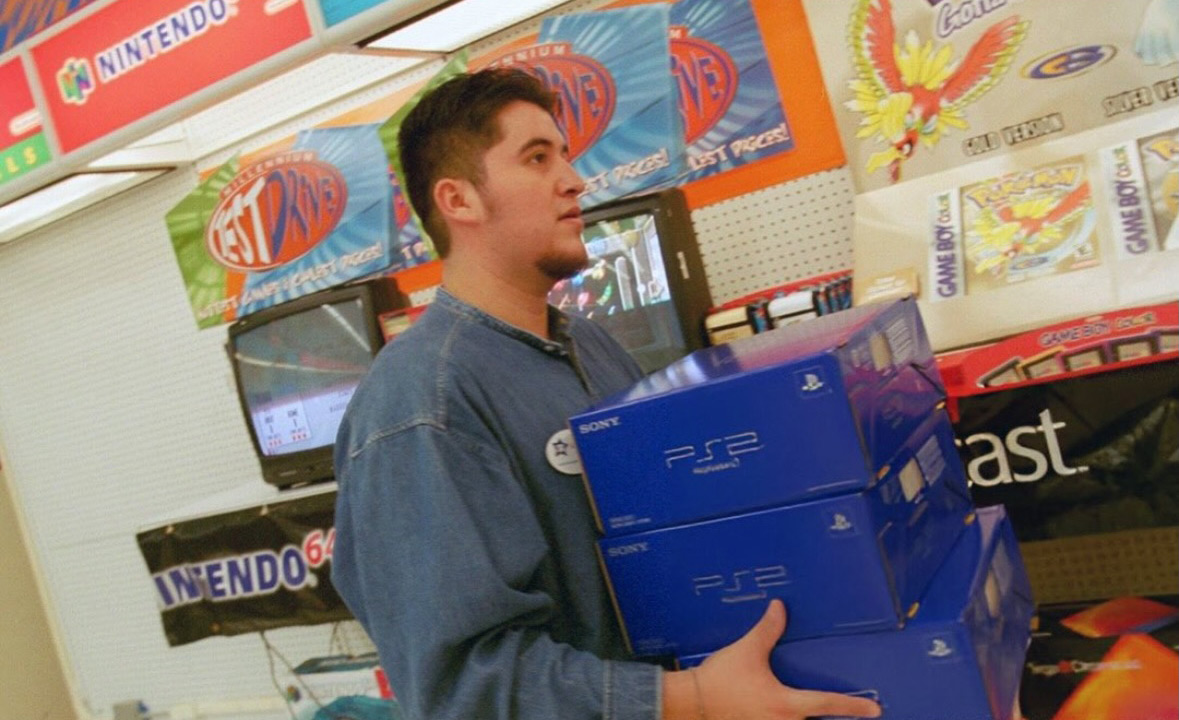
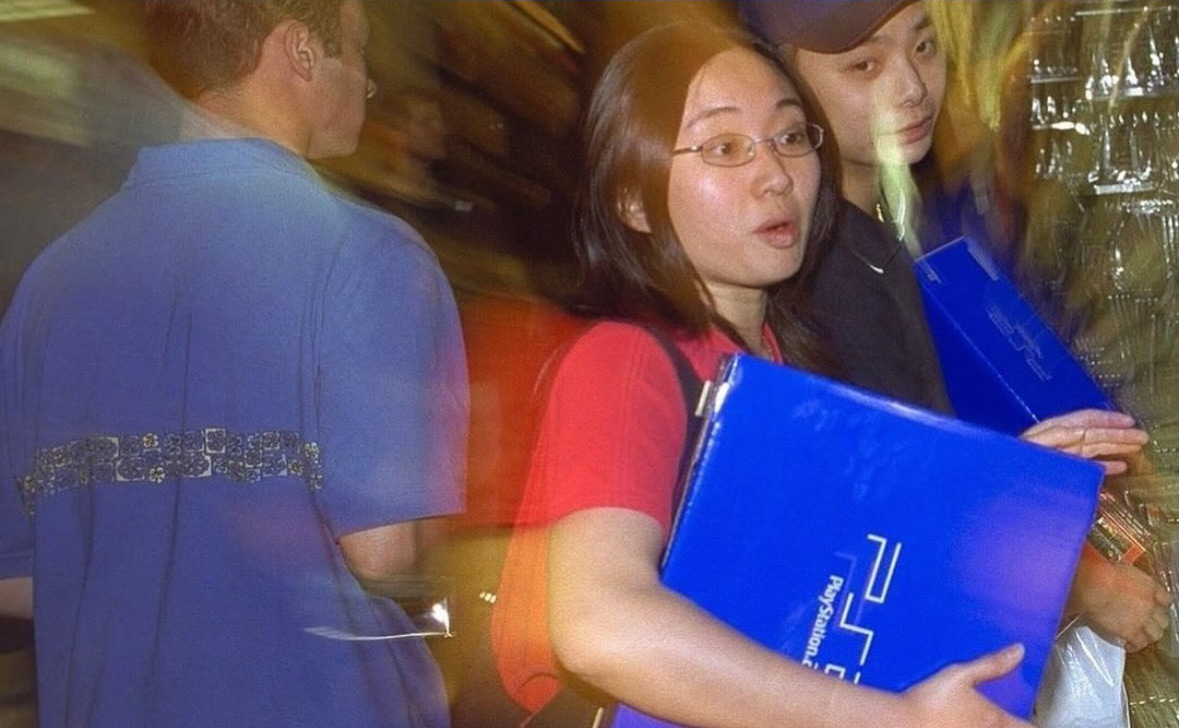
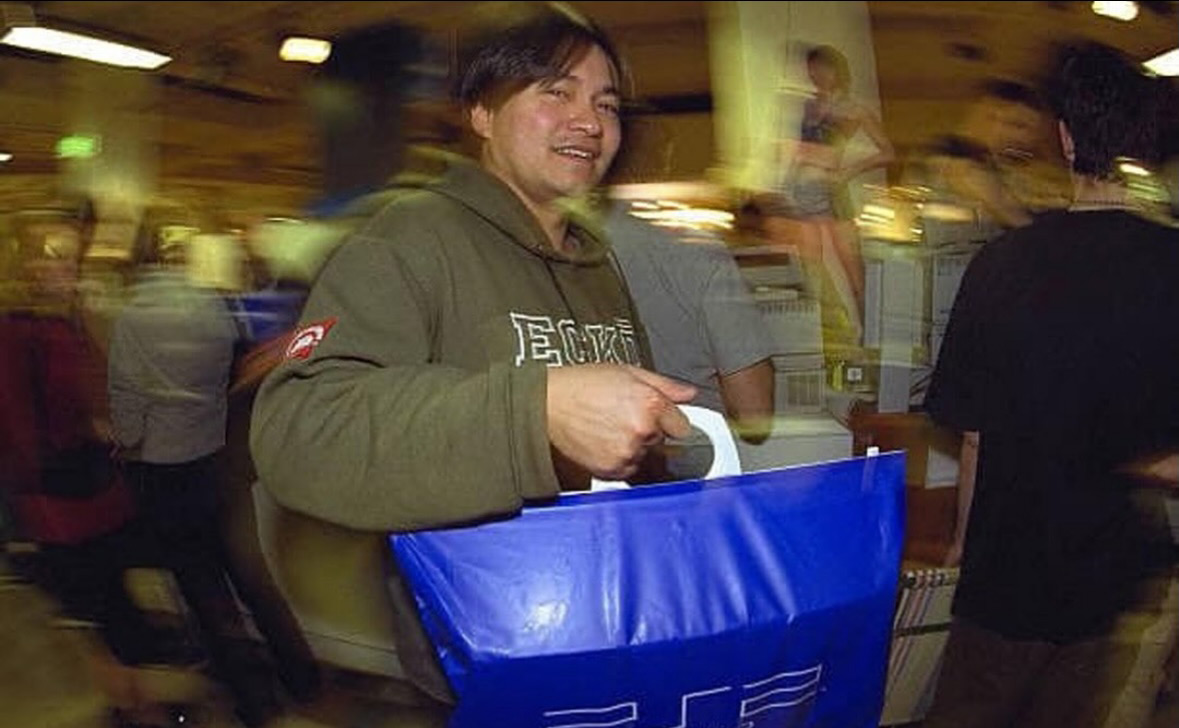
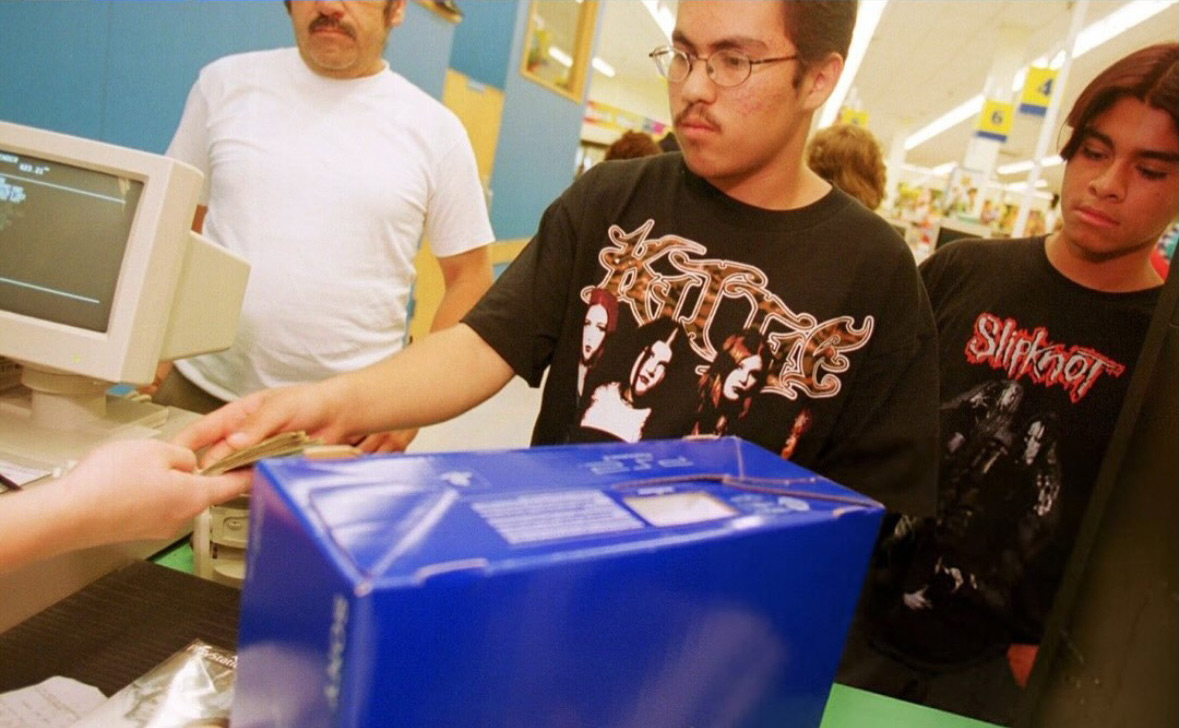
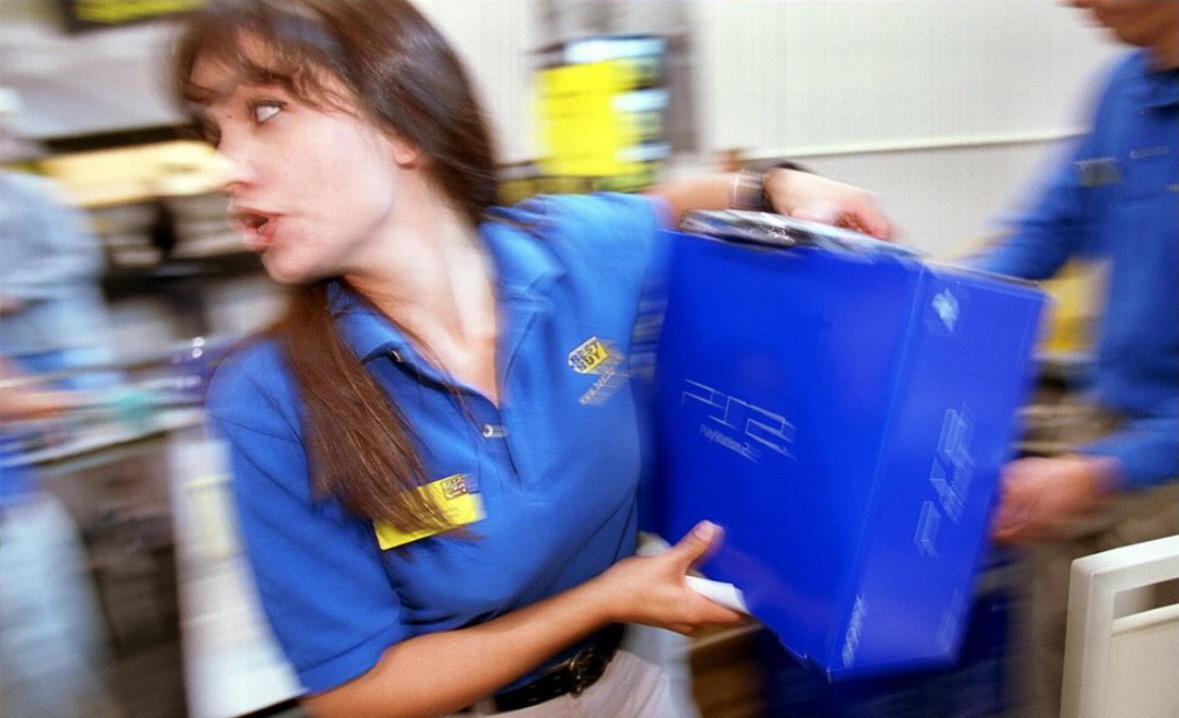
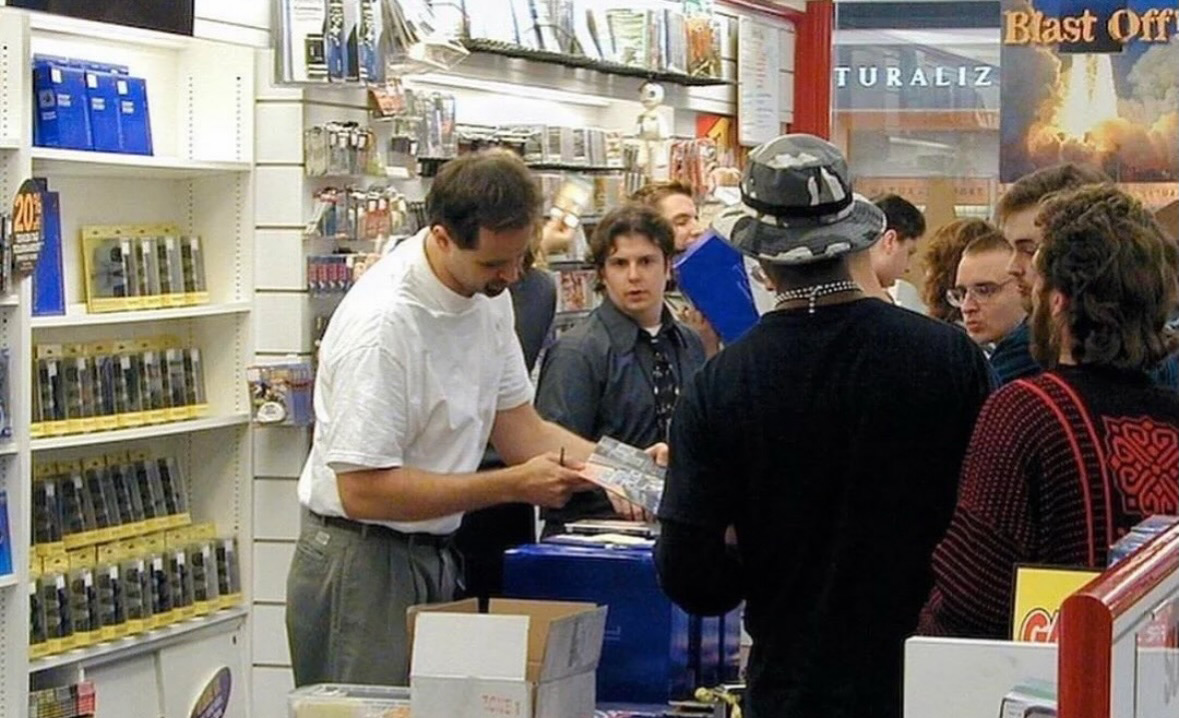
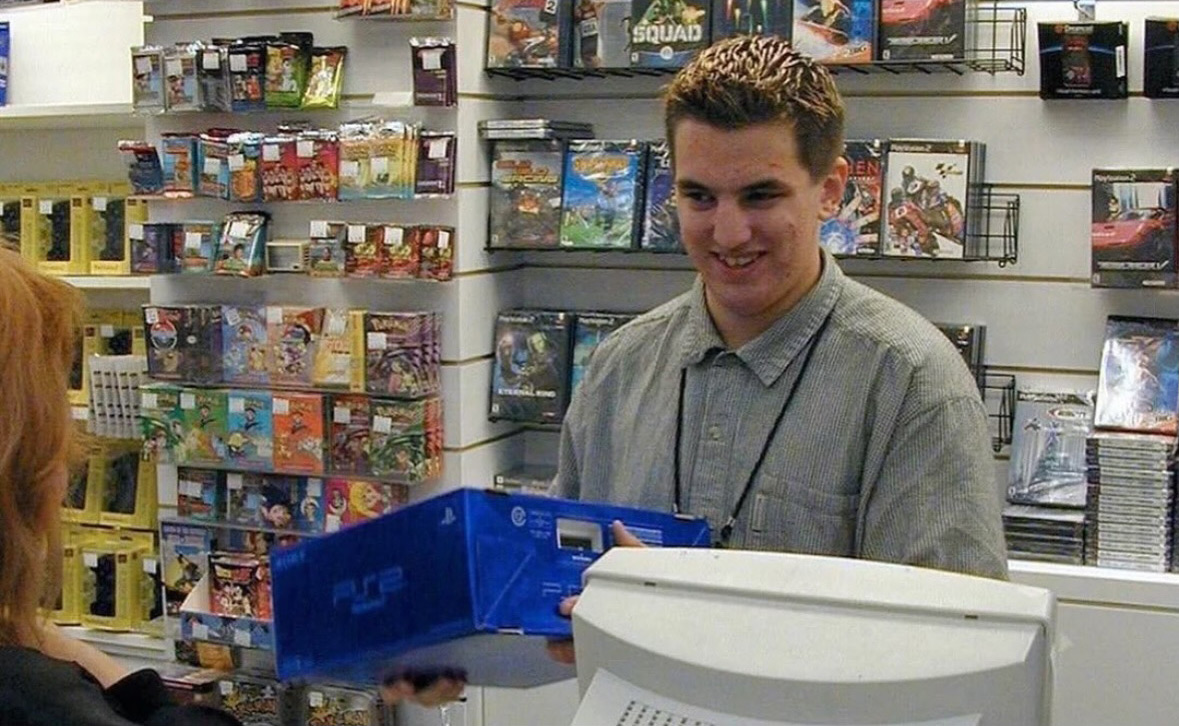
There is also a story from the other side of the counter. A store clerk described a ticket system for handing out collector editions in line order, which left a buyer waiting in his car without the special edition and led to a scene after closing.
All the nostalgia boils down to one thing – the people gathered outside those stores weren't staring at phones, they were meeting each other and talking, and that's often cited as the biggest loss in an era of digital preorders and scalper bots.
So here's a question for readers – what's today equivalent of that shared experience, the kind of thing people will look back on fondly a quarter century from now?