A Crusader Kings 3 veteran finally finished a campaign for the first time in 2,000 hours – eight rulers with god‑like traits were enough to last 586 years

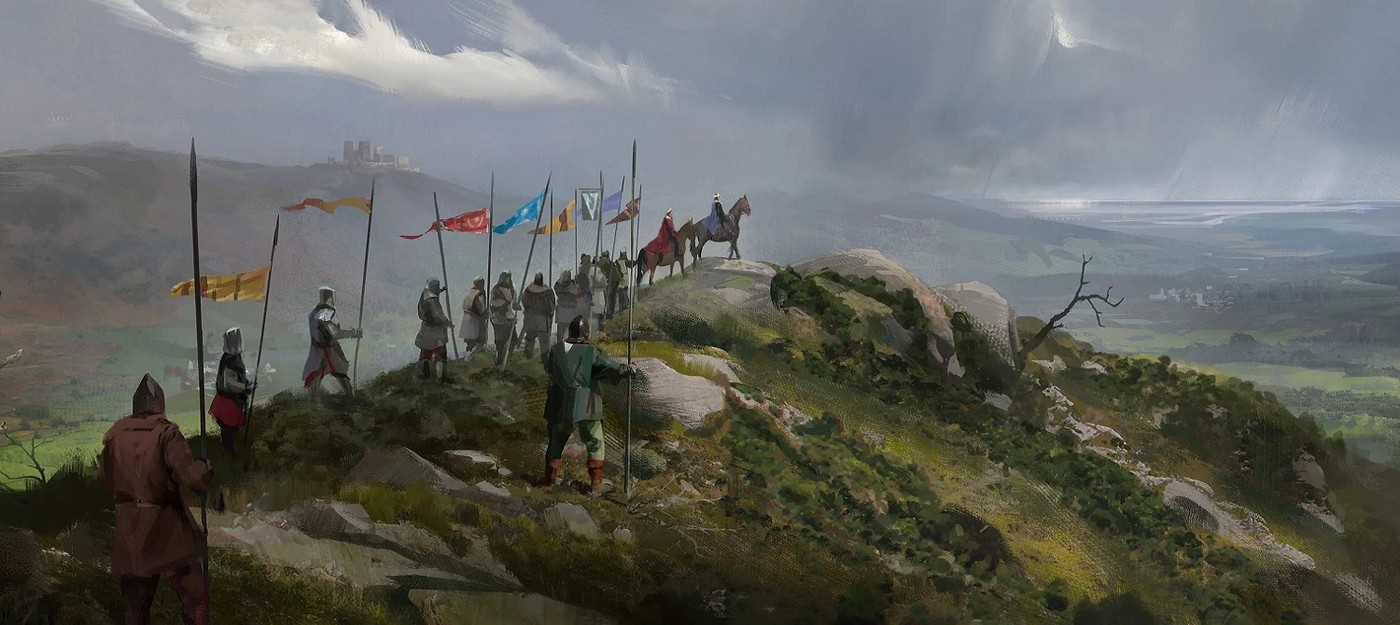
Paradox grand strategy games are built so the final date barely matters. Fans start a campaign with excitement, turn into a land-grabbing machine by the midpoint, then start a new save the moment an heir dies because there's nothing left to do and four hundred years still remain until the era ends.
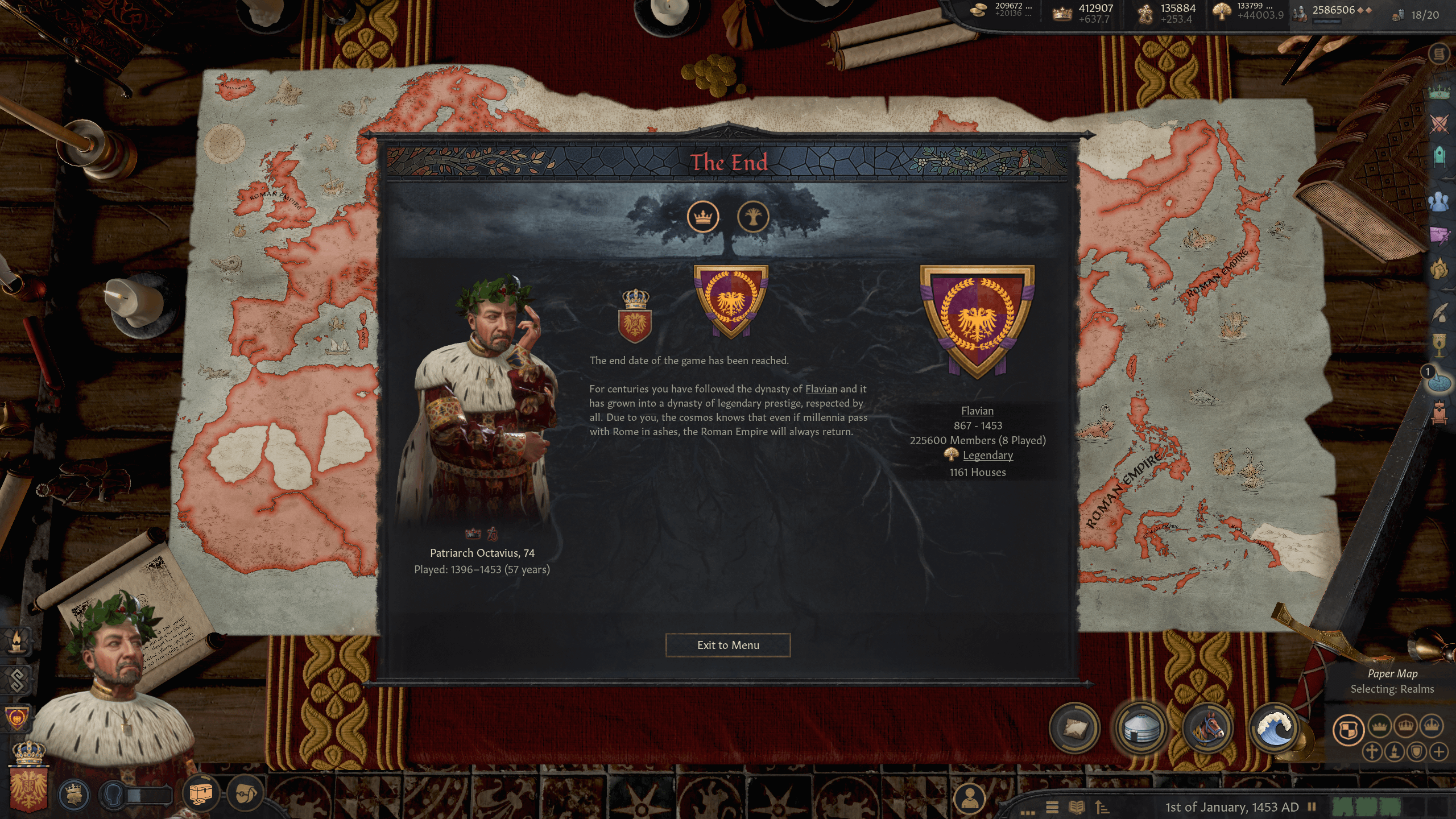
One player with two thousand hours in Crusader Kings 3 actually made it to the finish, playing out the full 586 years from the early Middle Ages start in 867 to the final year of 1453. The result, in their own words: "The world will enter the new era rich beyond measure and ruled by benevolent Gods." Not exactly modest, but the numbers back it up – by the end of the run the dynasty had grown to nearly a quarter million members spread across 1161 houses.
The most interesting part of a run like this isn't conquering the map, it's the arithmetic of generations. The whole campaign took about eight characters, meaning each one ruled for roughly 73 years on average. As one commenter put it, this is "possible if you min max succession, health traits and modifiers." Longevity in the game comes from a fairly specific set of sources: fecund and octogenarian hereditary traits locked in through selective marriages, herculean build, pure blooded status and a medicine lifestyle focus, combat and hunting perks like hastiluder bow, venator and wanderer, plus elixirs and artifacts – including the two medicine court books and journal for medium bonuses, along with small inventory trinkets and rare ancient scarab brooches that drop from tomb raider events.
On top of that comes the late-child trick, so the heir takes over around age seventeen and lives to nearly a hundred themselves. Average lifespan in this kind of run pushes past a century, and the entire medieval timeline fits into eight biographies.
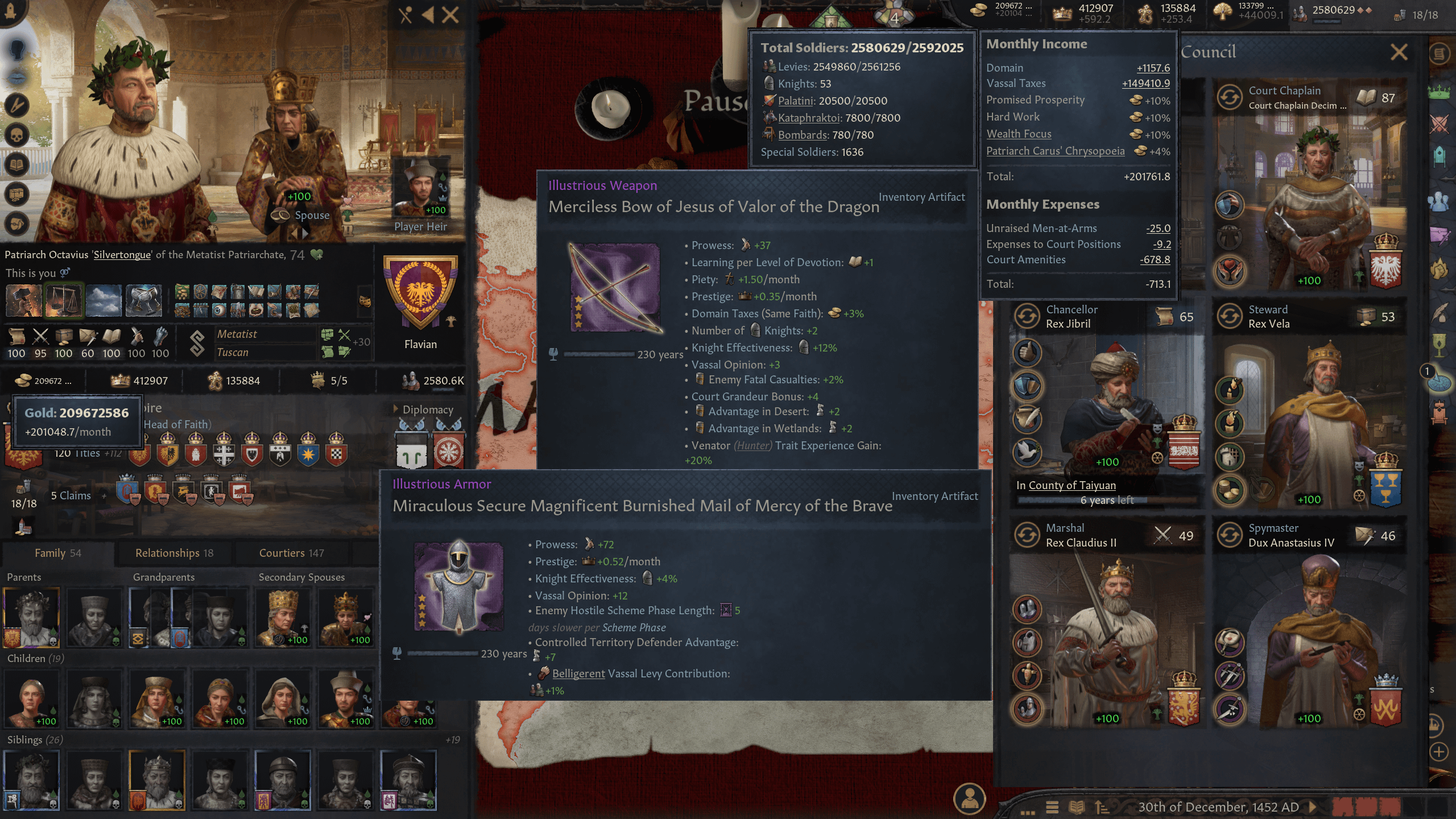
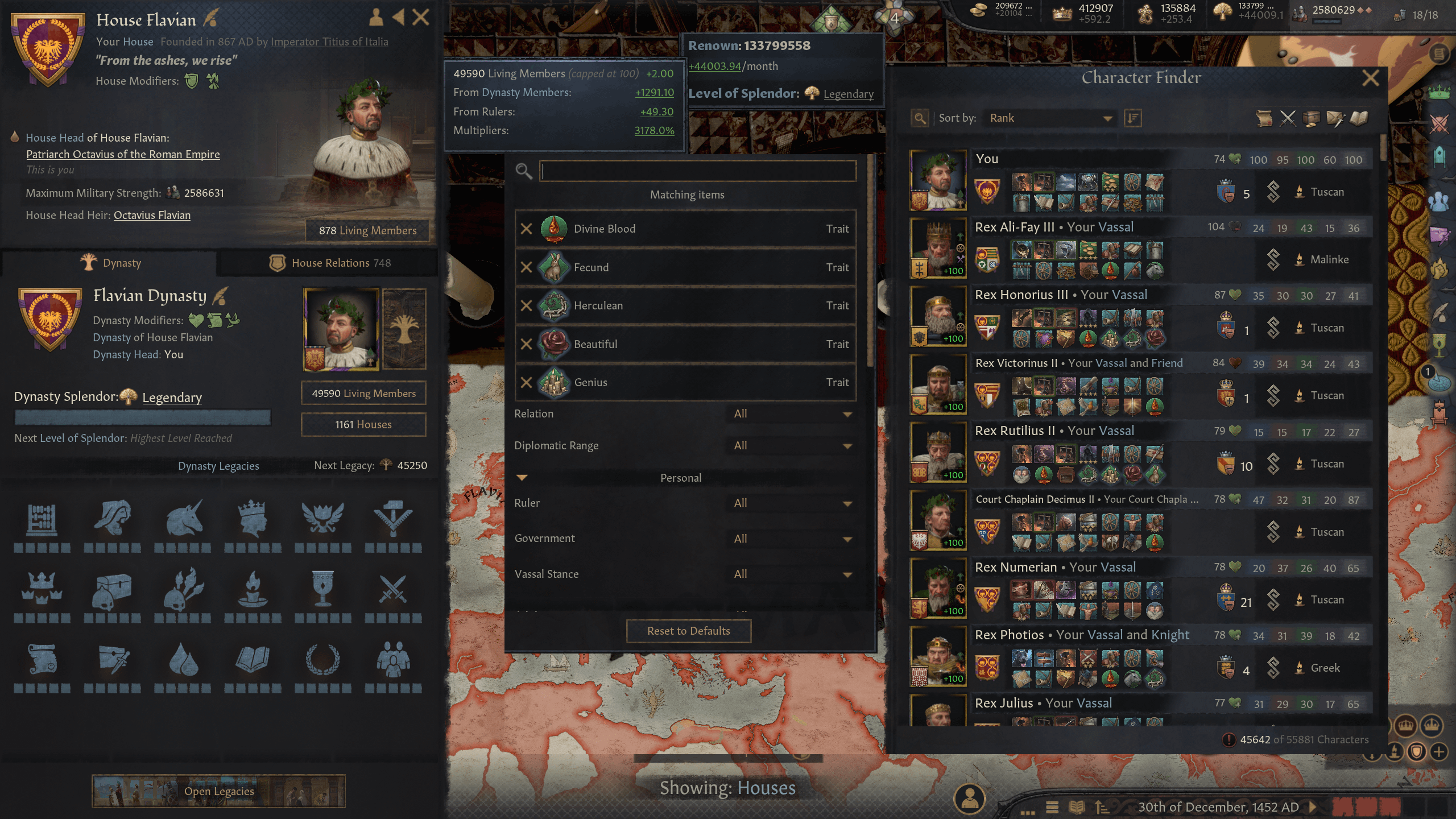
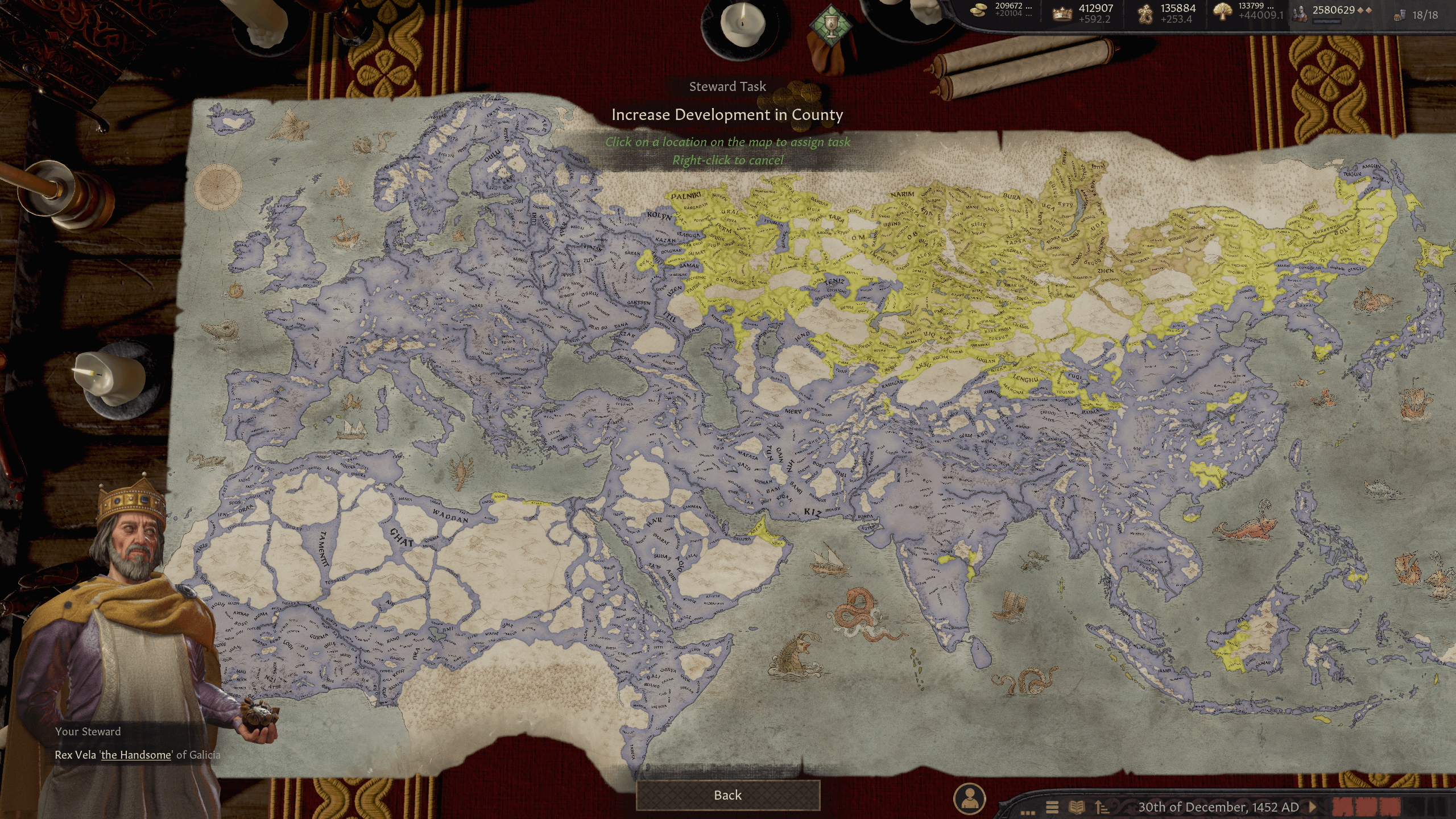
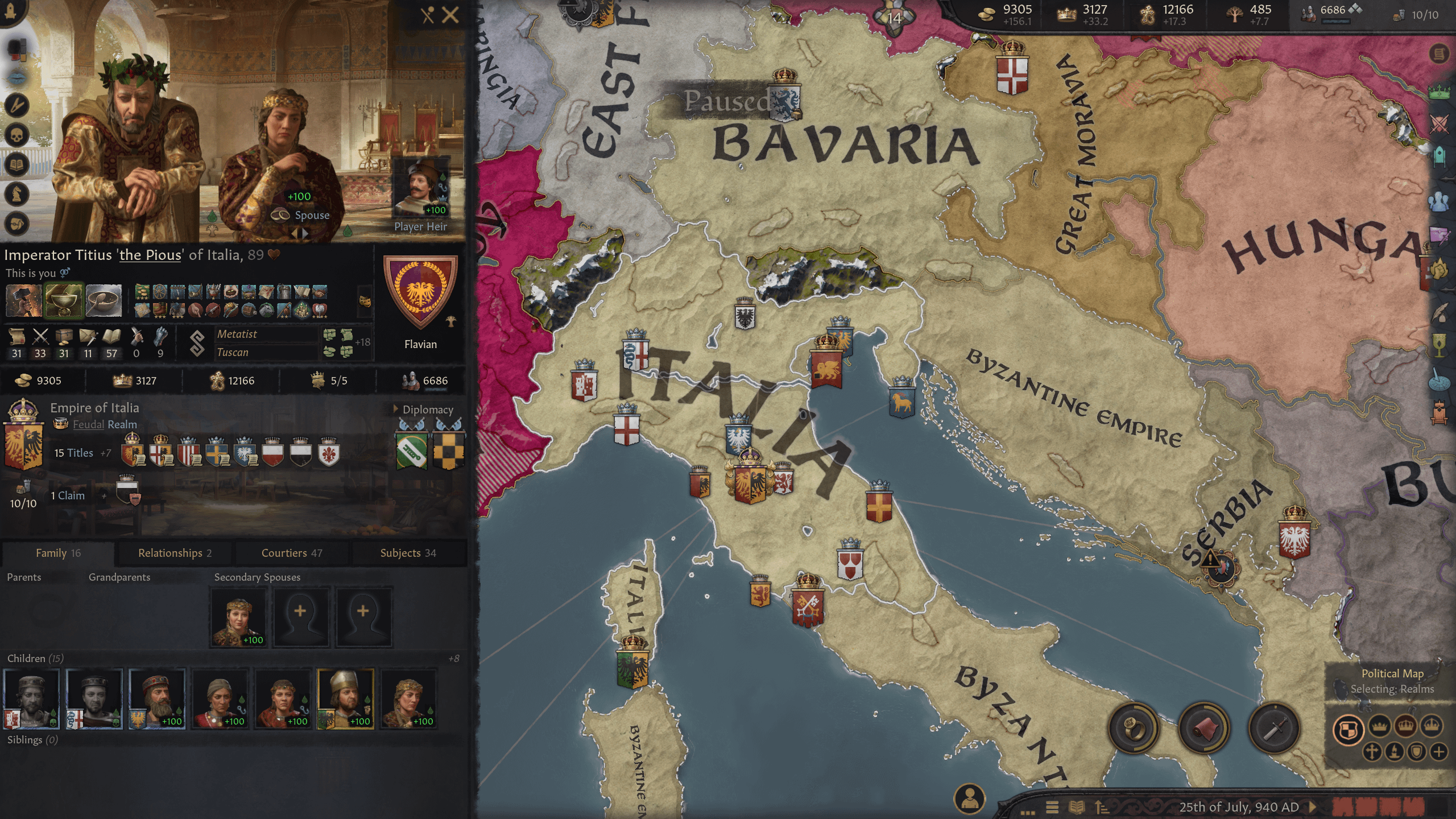
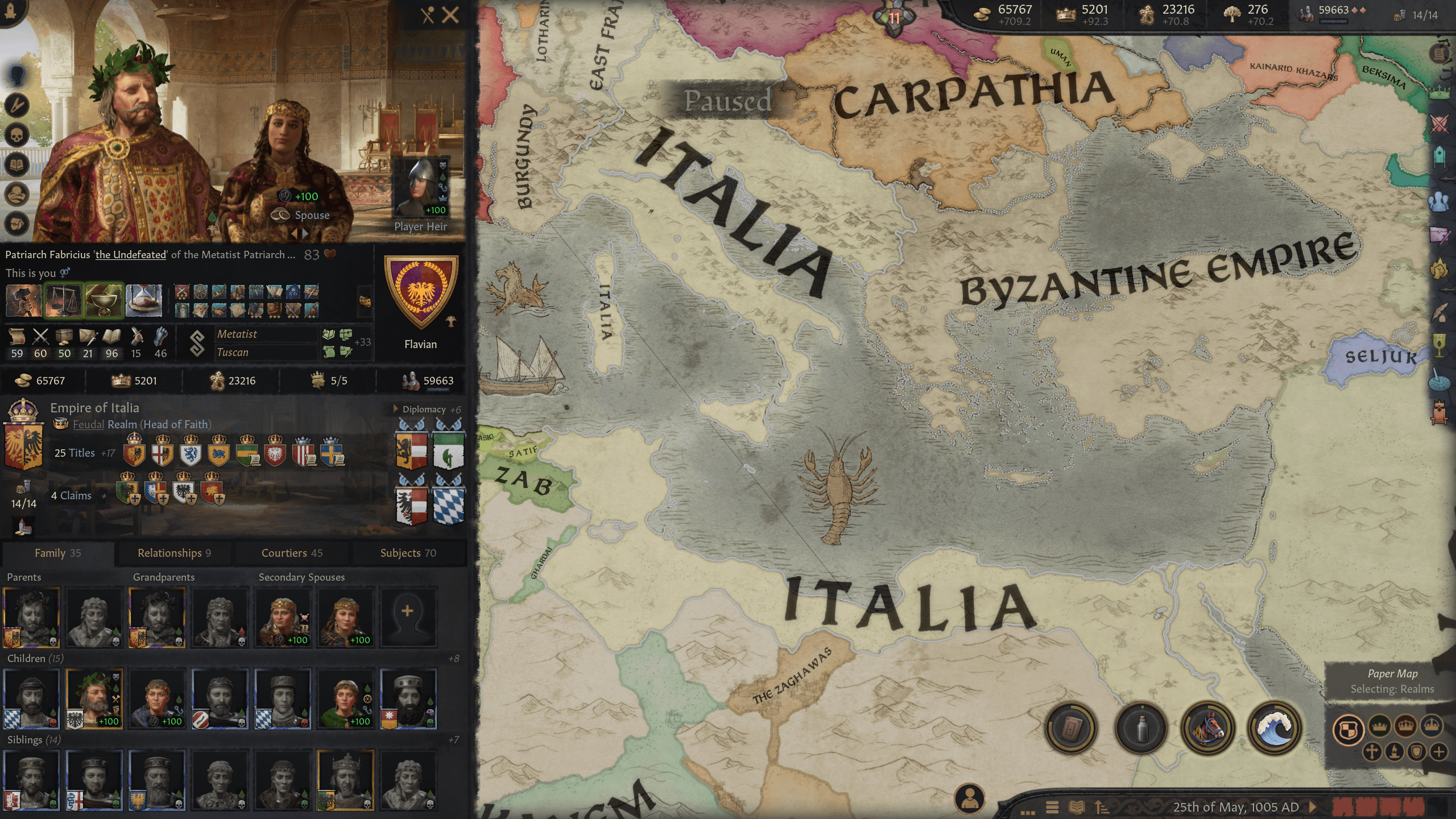
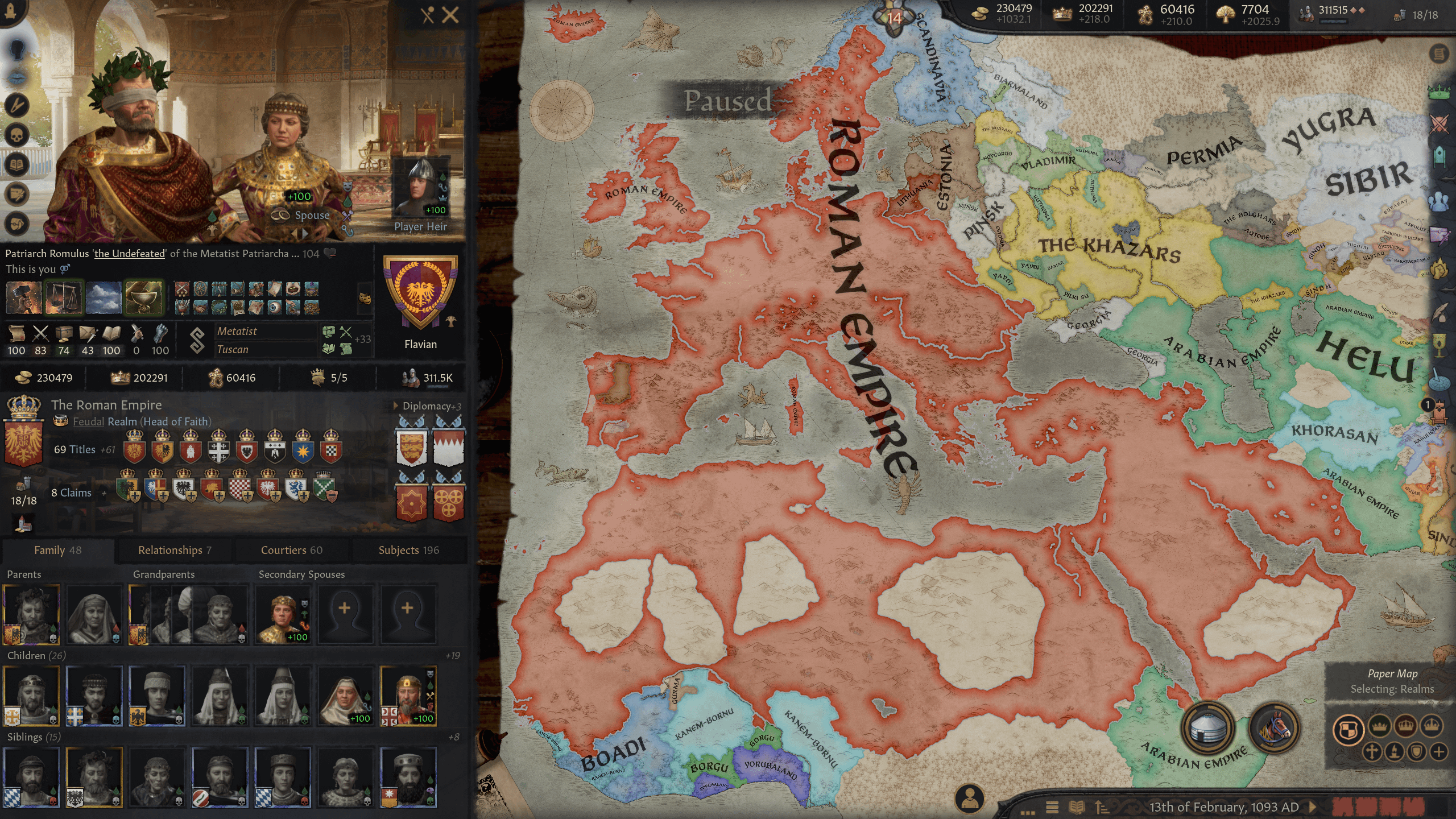
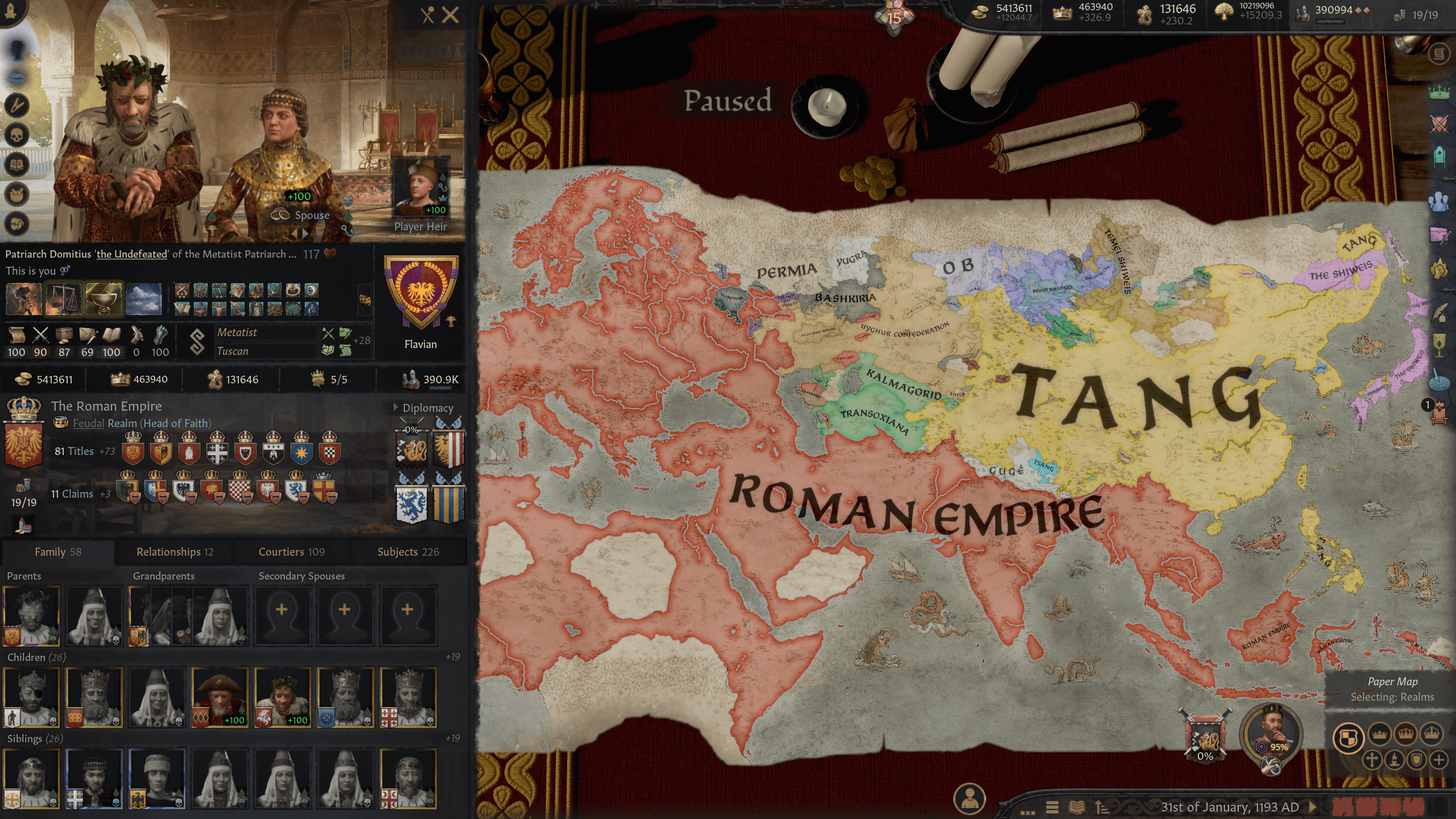
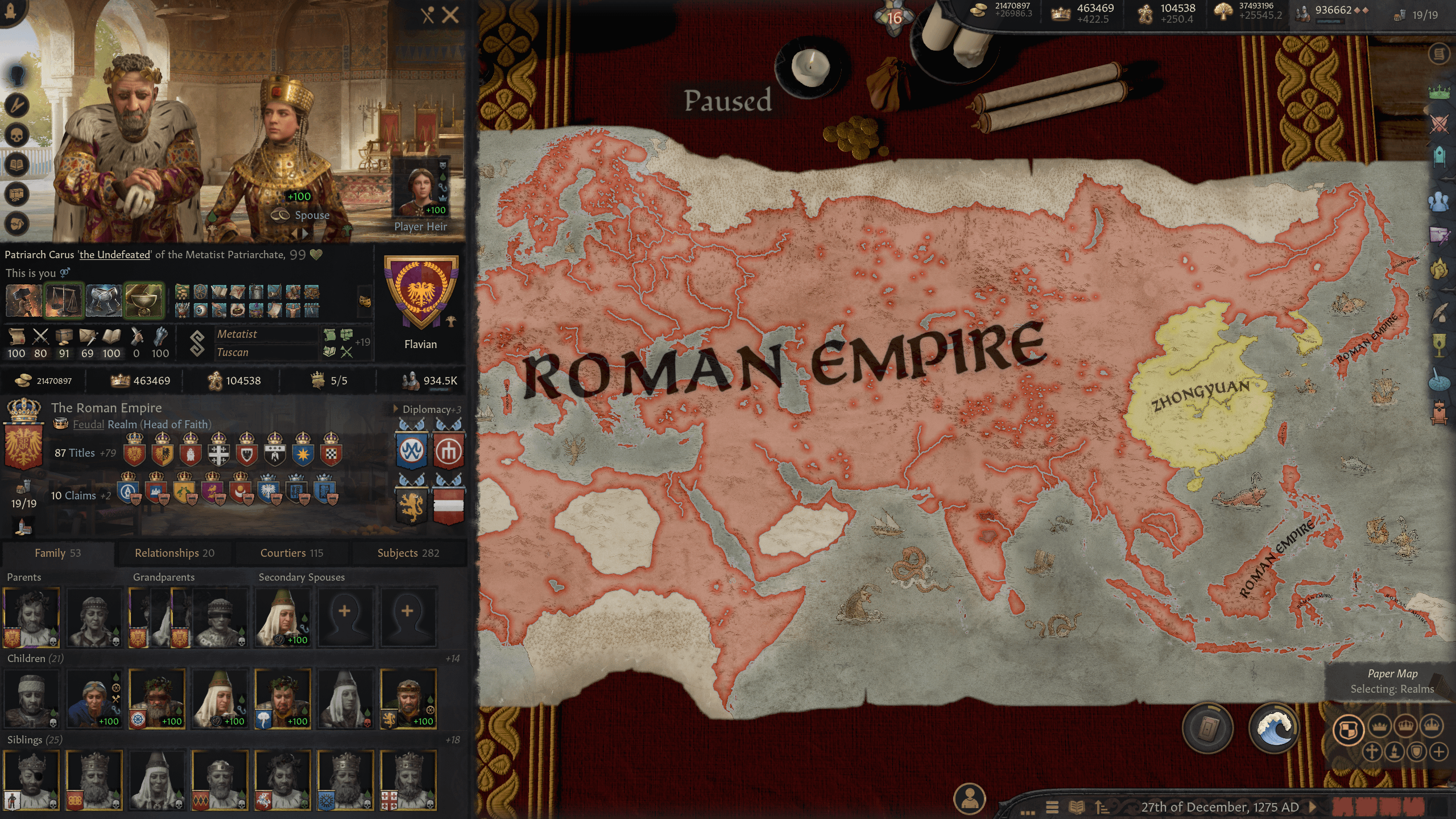
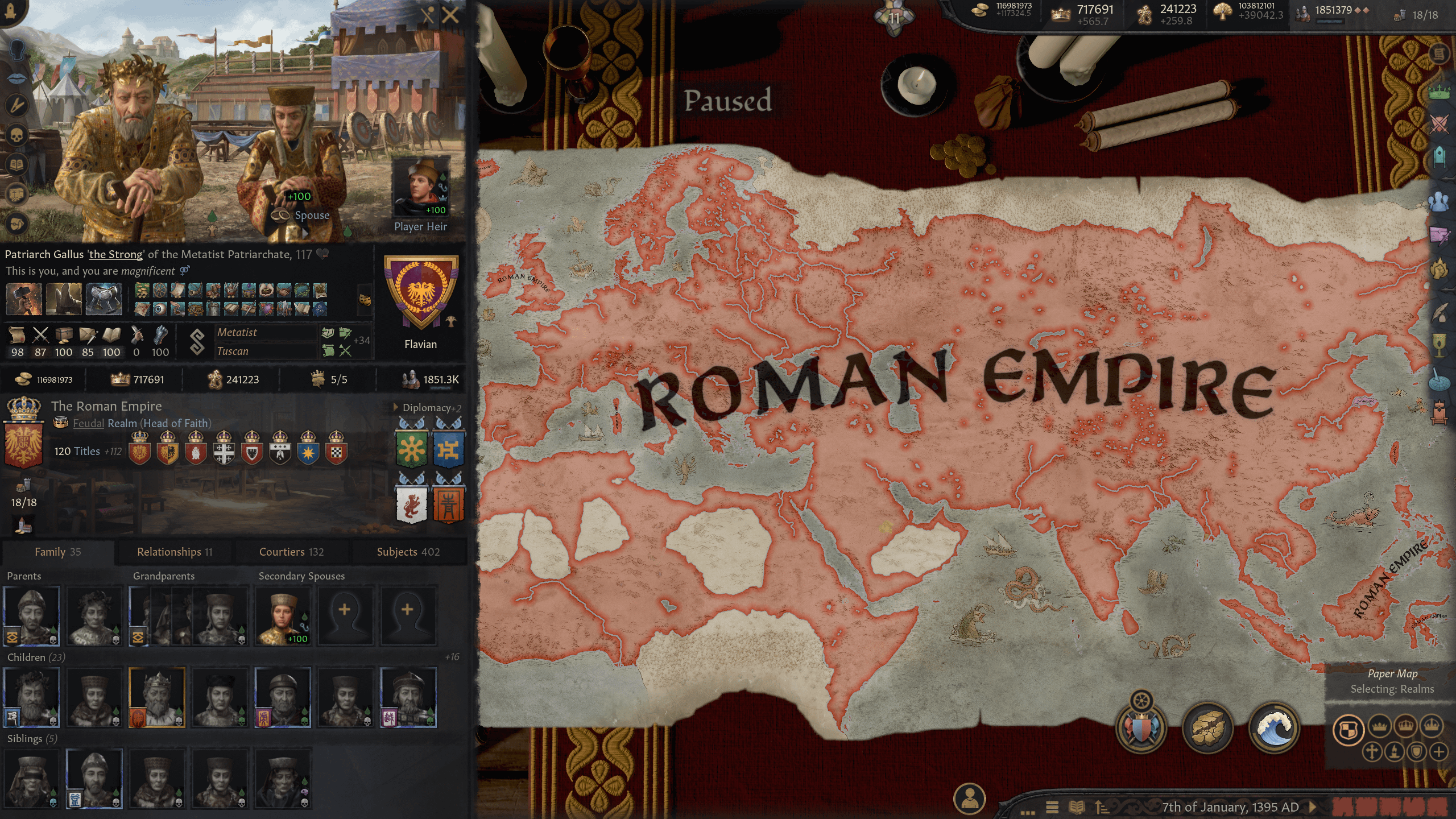
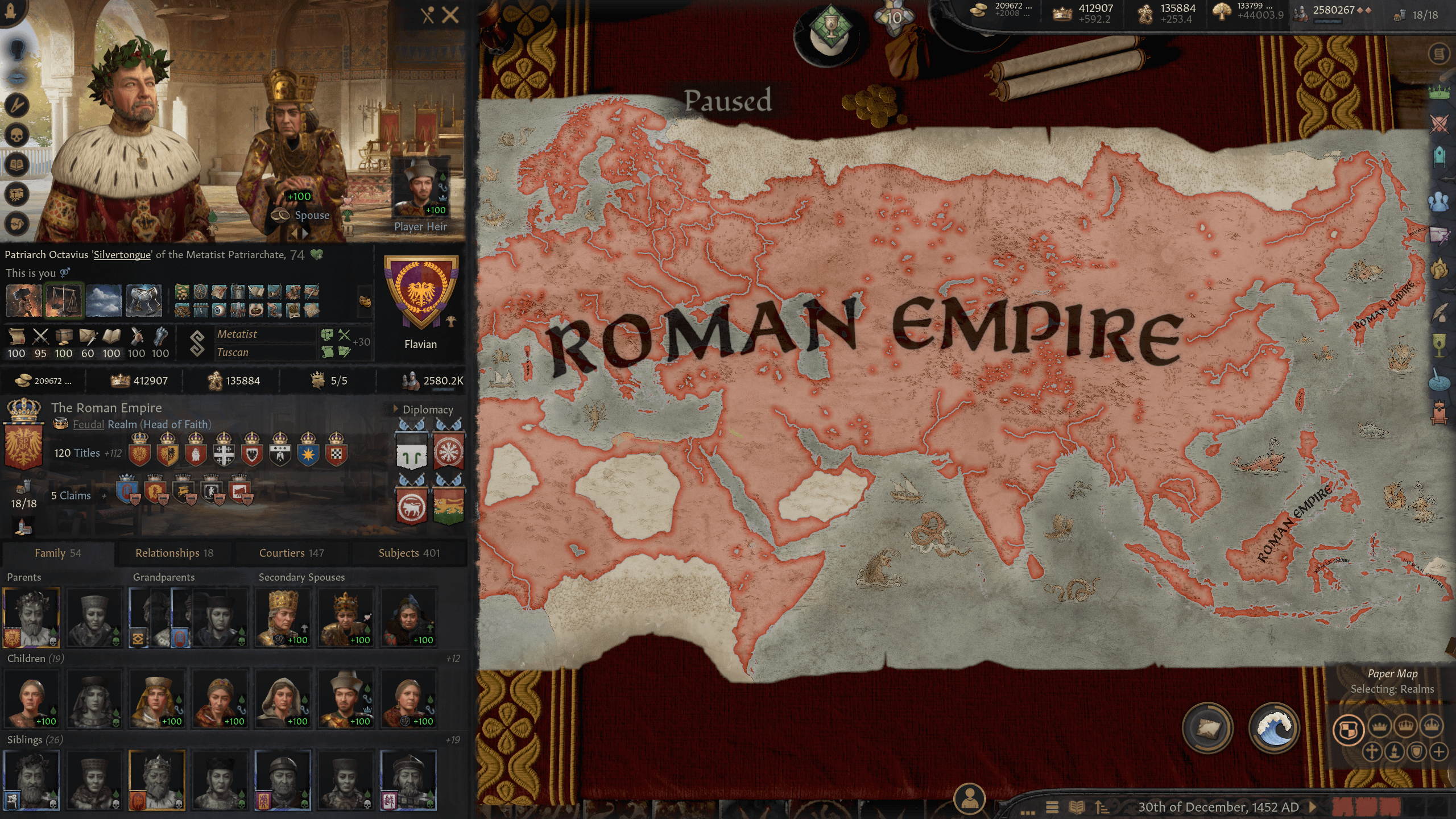
There's a separate discipline most players never touch: holding onto 375 vassals without ever fighting a single faction war. The solution turned out to be both blunt and elegant – a personal religion hostile to everyone else, endless holy wars to clear the map, and handing out land to family members. Dynastic legacies, artifacts and other opinion sources stack up so high that vassals can't drop below the 80-opinion threshold needed to form a claimant faction. Even with 329 tyranny on the books, rivals still sit at around 300 opinion, and part of that carries over to the heir, making a succession civil war essentially impossible.
Six centuries of nonstop min-maxing does roughly the same thing to the equipment that it does to the characters. The price was performance – once the character count hit 70,000, the game started choking, forcing the player to keep the population under 60,000 using a mod for extended population control, purge landless administrator and nomad vassals, and turn off AI adventurers entirely, since they cause problems in high-population saves even at just fifty. Feudal government got picked for the same reason, since going administrative would have tanked the speed even further.
Realism, of course, got left behind somewhere around 867, and one comment in the thread summed it up best:
Realism gets thrown out the window when you can stack wipe a 100k army with 1000 because modifiers
The Middle Ages lasted six centuries, and finishing them off only took eight old men with good genetics.
- Crusader Kings 3 player showed a screenshot of an epic battle after which only one warrior remained on the battlefield
- A Crusader Kings 3 fan's girlfriend found his old saves named "Kill the Pope" and "Before Incest" – and she had questions
- A Crusader Kings 3 player fell into despair after having six daughters in a row and asked the community for advice