Crusader Kings 3 fans joke that after the Silk & Silver expansion the game will turn from a military strategy into a trading simulator

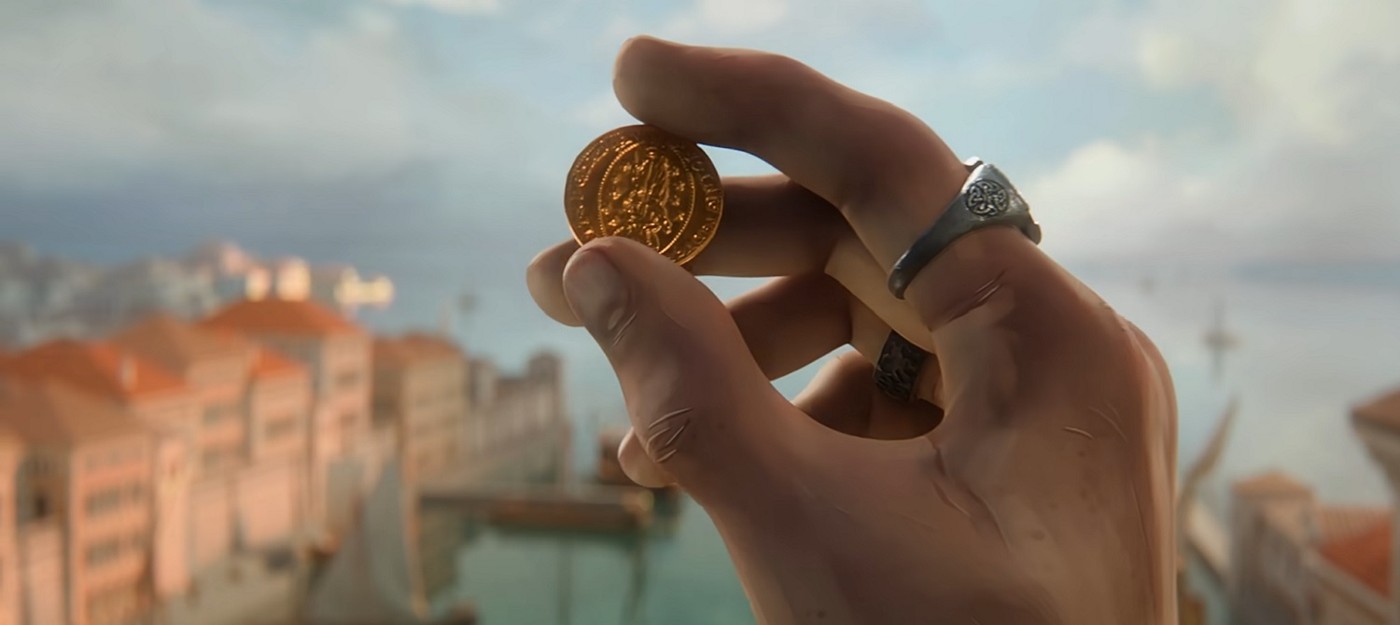
The history of global trade rarely looked like a polite exchange of pleasantries at a fair. All too often, an offer to "trade" came from the deck of a warship, and showing no interest in the goods ended with troops coming ashore. Commodore Perry American "black ships," which forced Japan to open its ports in 1853–1854, and Britain Opium Wars with China show what free markets looked like when great powers ran them.
Fans of Crusader Kings 3 are now applying a similar scenario to the Middle Ages. The trigger was a countryball meme: right now the nations simply slaughter each other, but once the Silk & Silver trade expansion arrives with merchant republics, they'll turn into peaceful traders. Or almost peaceful.
One player sketched out the likely gameplay right away:
Wanna trade? What do you mean I have nothing of interest? You WILL buy STUFF now!!! sending troops
The enthusiasm is tempered by skepticism, though, since the previous religion DLC from Paradox left plenty of chaos behind. In it, popes rewrite tenets every few years and split the church apart. After three failed pontiffs, one player ended up becoming the anti-pope, a "living saint" to half of Eastern Europe and effectively the founder of a separate faith. Someone reasonably pointed out that for European Christianity, with its endless schisms, this sounds frighteningly historical, and suggested a mechanic for the future:
+50 relation to other Protestants as long as you share a border with a Catholic.
Wanua fans have far less reason for optimism. It's a government type for island Southeast Asian communities, introduced in last year All Under Heaven DLC. A wanua state can't become a merchant republic, and its entire connection to the new trade system comes down to converting local resources into barter goods through special buildings, plus a bonus to local trade. Essentially, it's the existing "barter" buildings with extra steps.
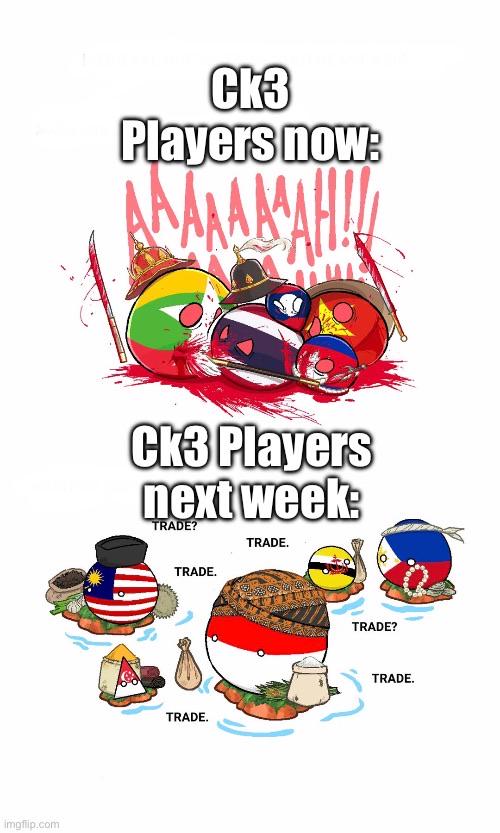
The root of the problem is the Paradox principle of not making DLC mandatory for the balance of the base game. Because of it, new mechanics carefully steer around each other, and duplicate systems pile up. The Viking adventurer met a similar fate, with many players considering it a clunky copy of the landless adventurer. The principle is only half observed, too: China without All Under Heaven greets players with a big red message urging them to buy the DLC.
Players expect Silk & Silver to fix the economy above all, since gold piles up as dead weight in the late game and there's nothing much to spend it on. Some have more ambitious wishes, such as paying for major buildings in installments over many years, like the cathedrals and castles that drained the treasuries of entire regions for decades. Another player soberly noted that war will only matter more after the patch, since key resources and trade bonuses will have to be fought for.
Merchant republics are coming to Crusader Kings 3 soon, but the habit of offering a deal with an army in tow isn't going anywhere.
- Crusader Kings 3 player complained that the AI engaged his heir grandson to a 58-year-old widow – but it turned out that other gamers often do the same thing themselves
- A Crusader Kings 3 player shared a story typical of this strategy game about the biggest war of the Roman Empire, which started because of the emperor's wife's infidelity
- Crusader Kings 3 player showed a screenshot of an epic battle after which only one warrior remained on the battlefield