The ocean around Antarctica has begun to rapidly become saltier for the first time in 130,000 years

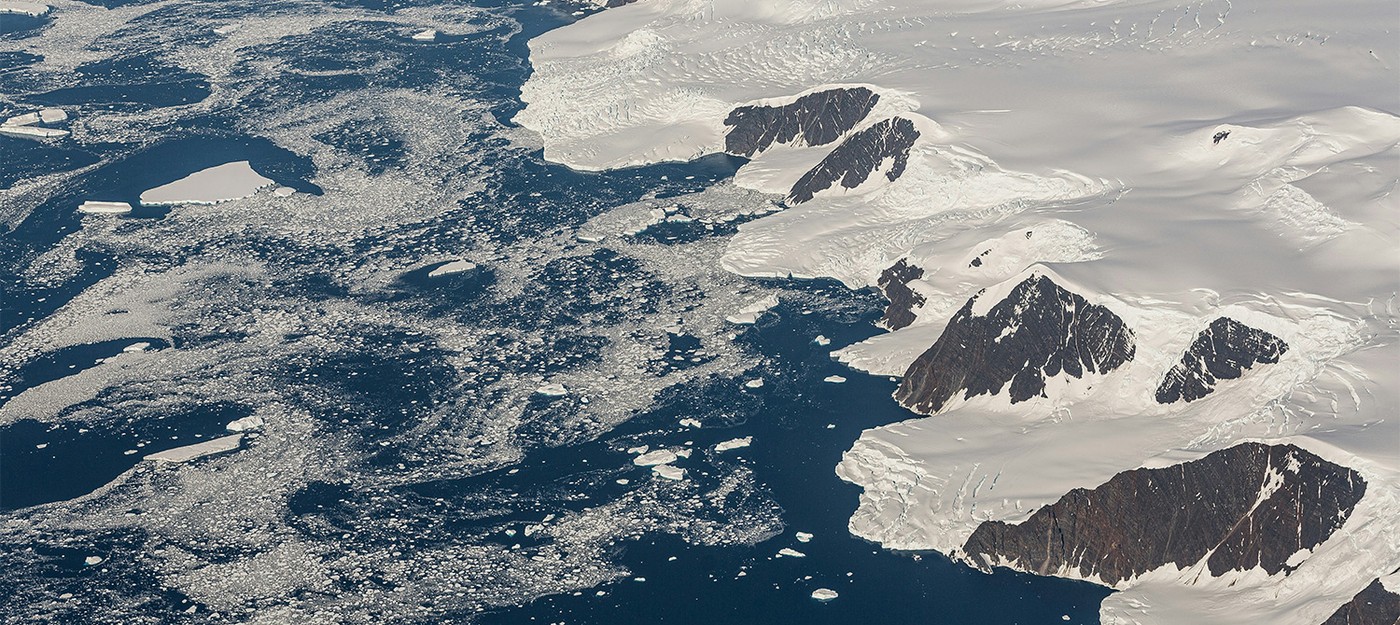
Over the past decade, sea ice around Antarctica has shrunk rapidly, hitting record annual lows several times. A new study shows that these losses have already set off major changes in one of the key layers of the Southern Ocean, which plays a big role in Earth's climate and global ocean circulation.
Researchers found that Antarctic Intermediate Water (AAIW) is quickly growing saltier, denser, and deeper. The term refers to a mass of cold, oxygen-rich, relatively fresh water that forms around Antarctica at depths of 700 to 1,200 meters (2,300 to 4,000 feet).
According to the authors, these changes could affect sea levels, ocean warming, and weather systems within the coming decades. Lead author Bishakhdatta Gayen is a professor at the University of Melbourne and at the Centre for Atmospheric and Oceanic Sciences in Bengaluru.
He said the last time a shift like this happened was at the end of the last interglacial period, roughly 130,000 years ago:
That transition took thousands of years, not two decades.
AAIW acts as a dynamic barrier between the warm upper ocean and the cold deep interior, and that barrier holds back deep-ocean warming. As it spreads north into the Indian, Pacific, and Atlantic oceans, the water mass carries heat, carbon, oxygen, and nutrients toward the tropics, working like a giant marine conveyor belt.
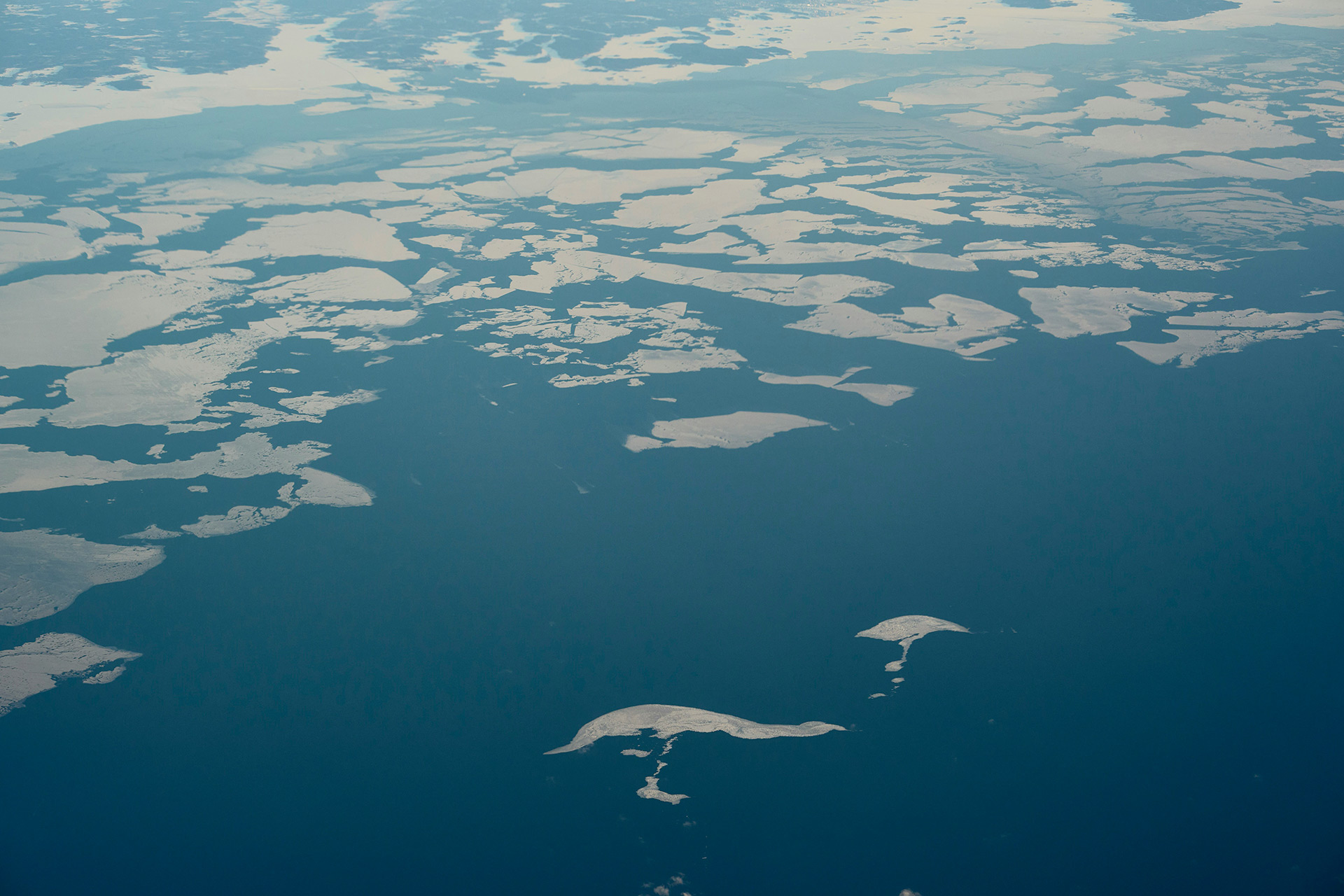
The engine of that conveyor belt sits off the coast of Antarctica. Every summer in the Southern Hemisphere, melting sea ice dumps fresh water into the Southern Ocean, diluting the salty seawater and feeding the AAIW.
Low salinity is crucial to how the whole system works. It determines the density of the water, and therefore the depth of the layer. When the water gets saltier, it grows heavier and sinks lower, and the way it interacts with neighboring layers changes.
Until 2015, plentiful sea ice kept the AAIW steadily supplied with fresh water, but that changed in 2016. Antarctic ice extent hit a record high in 2014, then dropped sharply two years later and has kept shrinking ever since. Less ice means less fresh water each summer, and that is what the researchers point to as the reason for the rising salinity of the intermediate layer.
To test the hypothesis, Gayen and his colleagues turned to direct observations. The team analyzed data from the international Argo program, along with satellite and atmospheric datasets. Argo is a network of nearly 4,000 autonomous robotic floats that measure the temperature and salinity of the upper two kilometers (1.2 miles) of the ocean.
The analysis confirmed that the salinity of the AAIW core is rising by about 0.005 grams of salt per kilogram of water (0.002 grams per pound) each decade. The number looks tiny, but over time that kind of increase is enough to noticeably alter the properties and dynamics of the entire water mass. And this is a layer that stretches across thousands of kilometers.
The global ocean absorbs and redistributes excess heat and carbon from the atmosphere, softening the effects of human-driven climate change. Changes in the AAIW could disrupt that mechanism too.
If the altered AAIW changes the way surface water is carried down into deeper layers, it could affect how much carbon the ocean locks away—although the magnitude and timing are uncertain. This could be the tipping point for the Atlantic Ocean and the AAIW current, leading to larger, longer-lasting changes to the climate in the Southern Hemisphere.
Scientists also worry about a feedback loop. If the Southern Ocean starts storing and distributing heat differently, sea ice melt could accelerate, which would in turn push the salinity of the AAIW even higher.
The effects could reach the atmosphere as well. Atmospheric circulation, storm tracks, rainfall patterns, and regional sea levels all depend directly on how much heat the ocean holds and where it is stored.
The new work adds to a growing body of evidence linking Antarctic ice loss to changes in the Southern Ocean:
in 2024, a study showed that record-low sea ice in 2023 ramped up ocean heat loss and storm activity
in 2025, an analysis of satellite data revealed a marked increase in surface salinity across the Southern Ocean since 2015
in early 2026, a sweeping review by the Scientific Committee on Antarctic Research (SCAR) concluded that the rapid decline of Antarctic sea ice is suspected to have profound implications for the global climate system
According to the review authors, ice loss influences the global distribution of atmospheric heat and moisture, as well as atmospheric variability and several teleconnections. That is the term climatologists use for linked weather anomalies in regions far apart from each other.
The rapid transformation of the AAIW adds to the list of ways fossil fuel emissions are upending Earth's systems. The researchers say that without understanding deep-water processes like this one, it won't be possible to accurately forecast climate feedbacks and plan for life in a warmer world.
- An iceberg the size of Manhattan broke off from the Petermann Glacier in Greenland
- Super El Niño could raise sea levels off the coast of California to record highs
- 13-year-old schoolboy built a device that extracts water from air for farms in arid regions