An iceberg the size of Manhattan broke off from the Petermann Glacier in Greenland

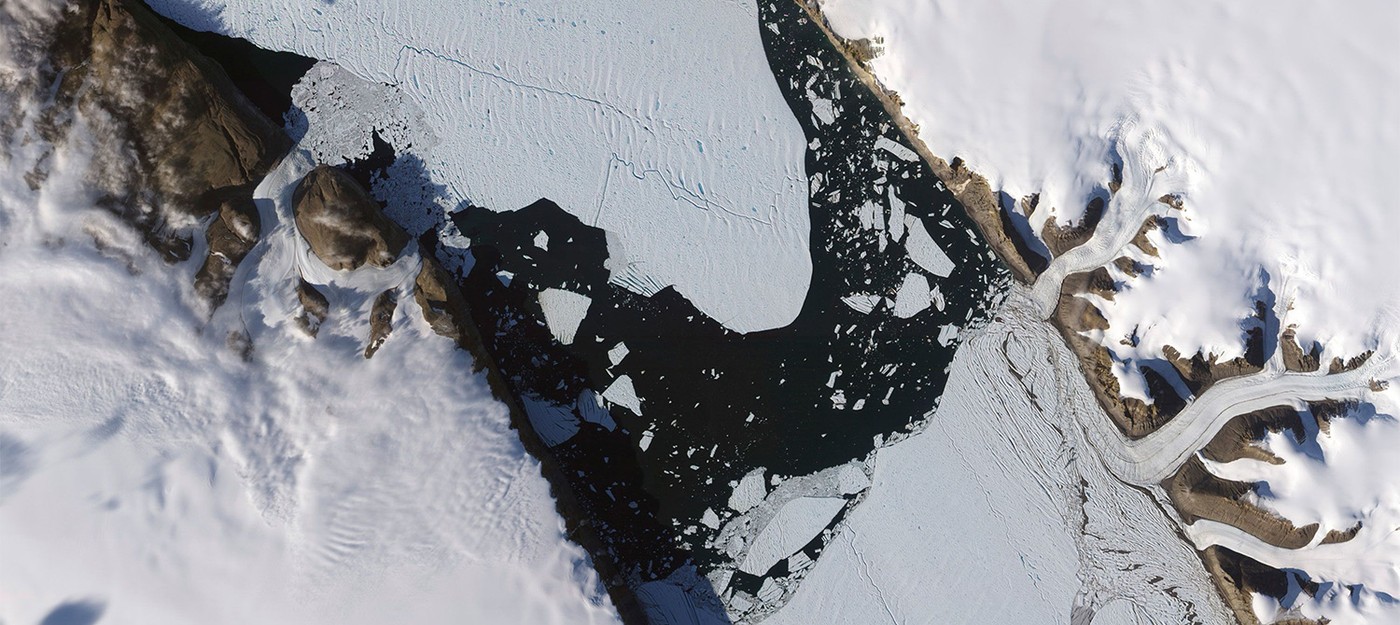
A massive iceberg has broken off from the Northern Hemisphere's longest floating ice tongue, and researchers expect at least two more calving events from Greenland's Petermann Glacier in the near future.
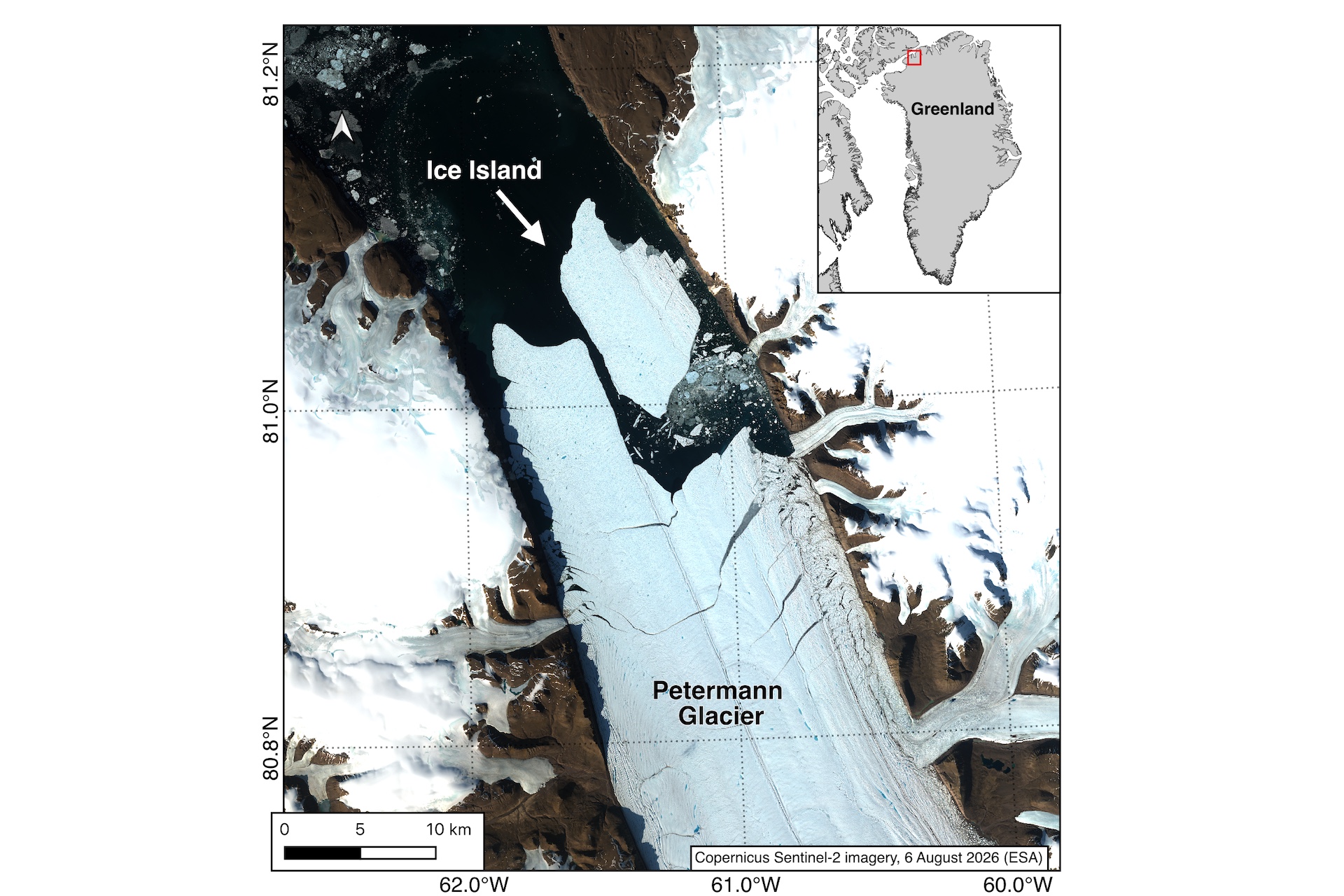
Satellite imagery from the European Space Agency's Sentinel-1 mission first revealed the deterioration of Petermann Glacier's ice tongue on August 3. This floating ice sheet extends 43 miles into the Arctic Ocean. The ice island fully detached from the glacier's eastern side the following day.
Adam Garbo, a doctoral student at the University of Ottawa who led the team behind the detection, said:
We've anticipated this break for years, and seeing it finally happen is remarkable.
The event marks the glacier's largest loss of floating ice since 2012 and gives researchers a rare chance to study how massive ice formations develop and drift apart over time.
Scientists have tracked changes in Petermann Glacier using satellites since 2019, keeping a close eye on fractures and signs of instability along its floating ice tongue.
Petermann, one of Greenland's largest marine-terminating glaciers, regularly sheds large icebergs into the ocean. Several notable chunks have broken off in recent years, including a 97-square-mile berg in 2010 and a 50-square-mile berg in 2012.
The newly detached ice island broke away from the glacier's eastern side and is estimated to reach up to 492 feet thick. Its surface area comes in at roughly 29.5 square miles, about the size of Manhattan.
Ice islands are a massive subclass of icebergs, typically featuring a flat, plateau-like top and a wide surface area relative to their height. They break off from floating ice shelves or ice tongues in northwest Greenland and northern Ellesmere Island. Arctic ice islands are far less common than large icebergs and can drift for years before breaking down.
Anna Crawford, a researcher at the University of Stirling and member of the team, added:
While large, tabular icebergs are relatively common in the Southern Ocean that surrounds the Antarctic Ice sheet, Arctic ice islands are far rarer. By studying Arctic ice islands, we will gain knowledge that can be transferred across Polar regions.
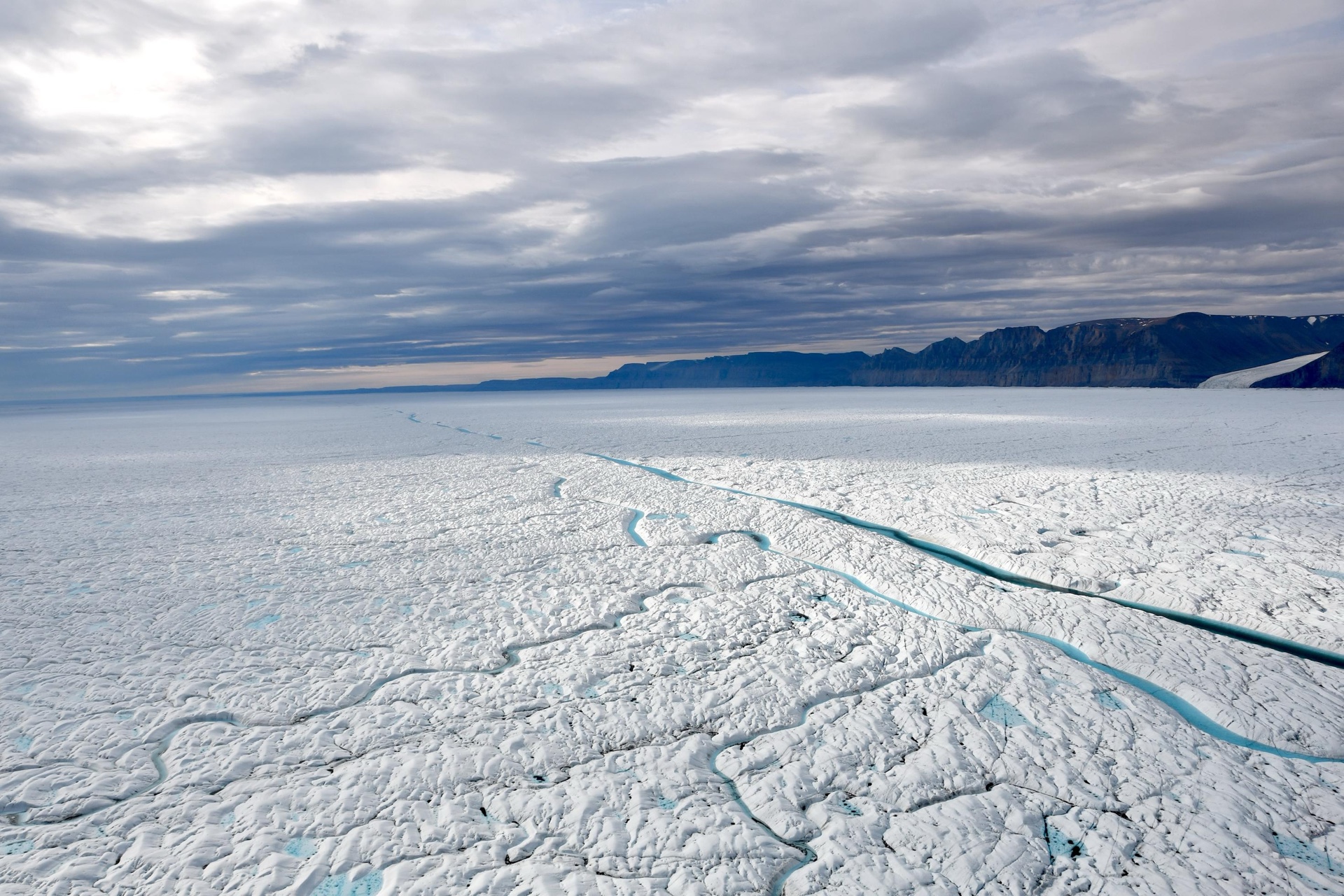
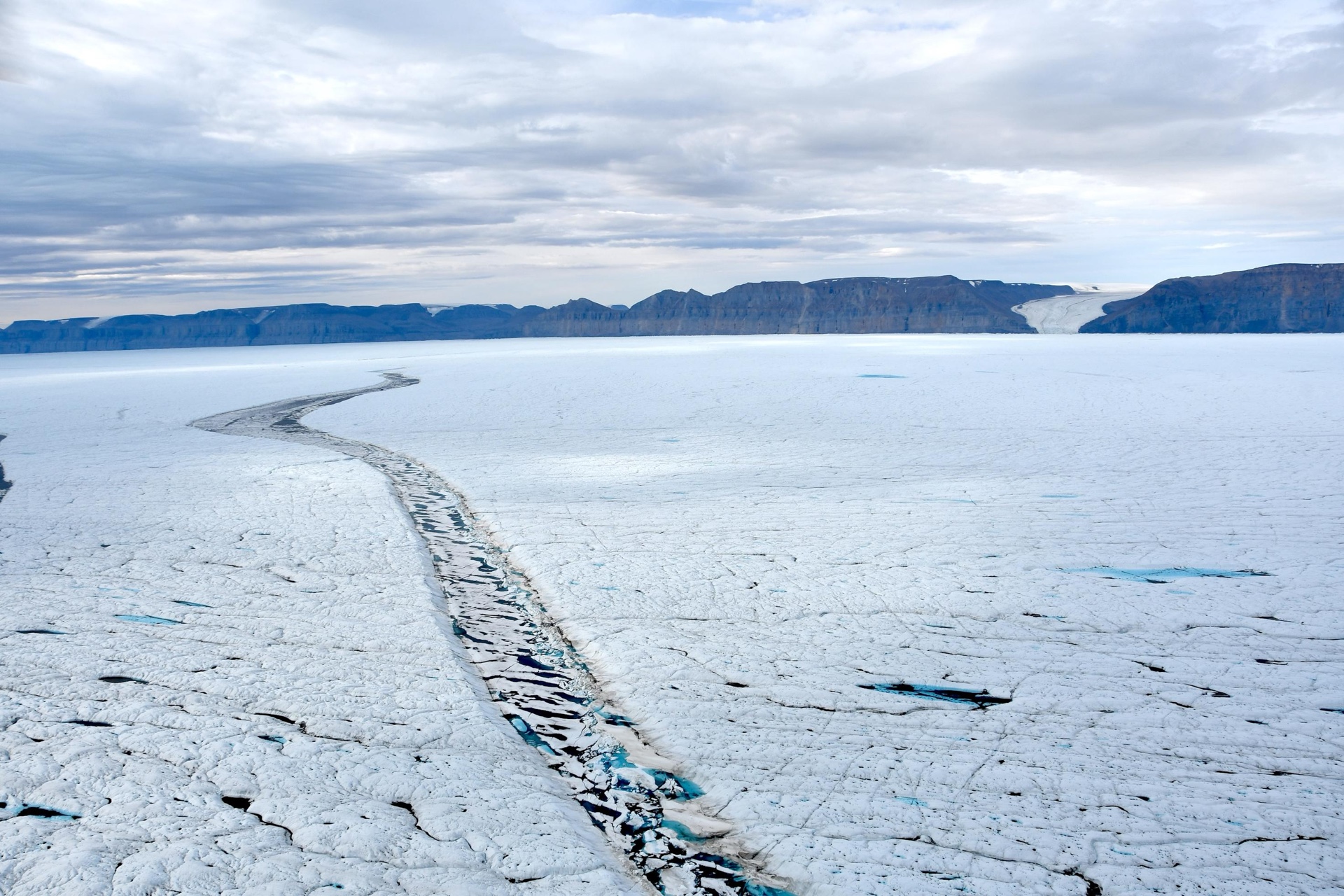
As they continue monitoring Petermann's ice tongue, researchers expect at least two more calving events soon. Rifts that have been forming for a long time keep cutting across the floating ice tongue, suggesting the recent split won't be the last.
The upcoming ice islands are projected to measure around 36.3 square miles and 32.4 square miles. Combined with the ice island that already broke off, all three are set to shrink Petermann Glacier by roughly 22%.
As these ice islands drift into the ocean, they pose a hazard to navigation, offshore infrastructure, and shipping.
Abigail Dalton from the Canadian Ice Service, Environment and Climate Change Canada, added:
These are thick blocks of ice that can drift for years. Over time, they fracture into smaller, harder-to-track pieces that pose hazards to vessels and resource operations.
The team will keep monitoring the ice island as it drifts away, tracking its movement through satellite imagery and aerial observations to learn more about what drives these calving events.