Apple agreed to refund money for the 14-inch MacBook Pro with M5 Max due to throttling, but the buyer loses $2000

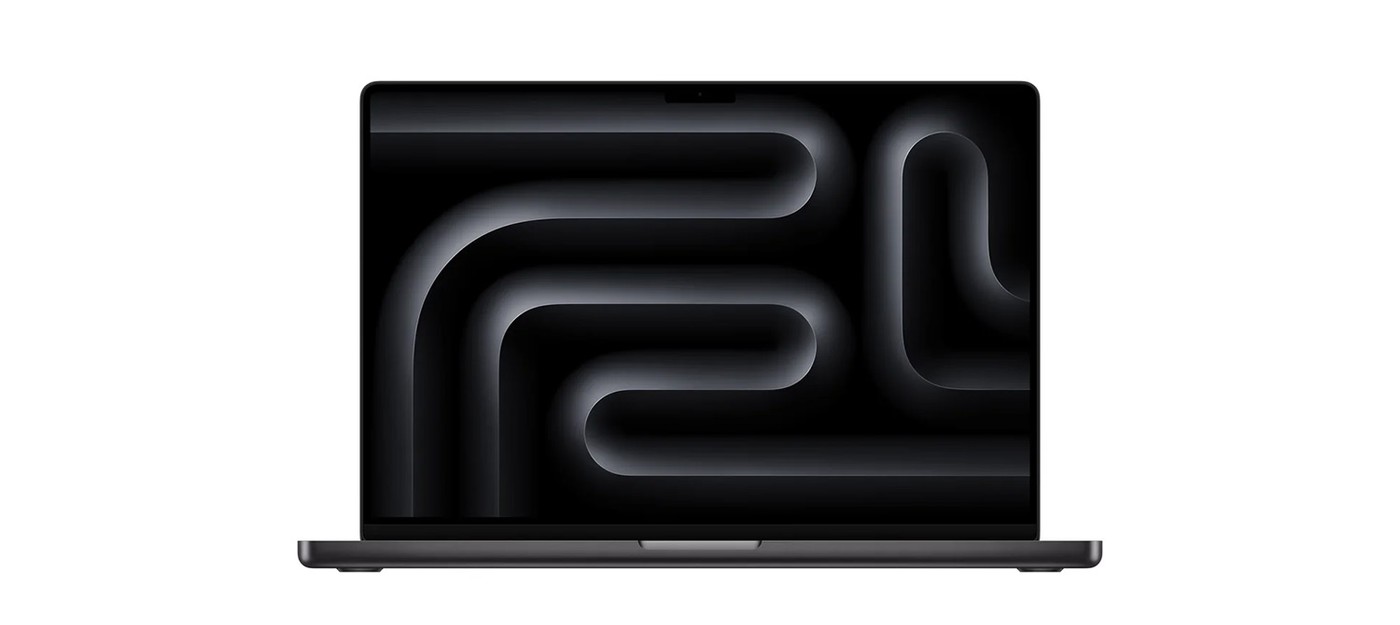
The owner of a 14-inch MacBook Pro with an M5 Max chip ran into serious overheating and clock speed drops while running AI workloads.
The laptop cost A$8,949, roughly $6,362. A warranty replacement didn't fix the issue, so the buyer requested a refund.
That's where things got complicated. The purchase happened before Apple raised its prices, and the current cost for the M5 Max configuration in Australia sits at A$11,799, or about $8,386. That leaves a gap of A$2,850, around $2,025, that would fall on the owner if he only gets his original purchase price back.
The buyer plans to push for a refund at the current price using Australian Consumer Law (ACL). Under these rules, a defect that shows up twice generally counts as a major failure.
When a major failure occurs, the customer – not the seller – gets to pick the remedy. The options include:
a full refund
a replacement device
a repair
If he wins a refund at the new price, he'd only need to pay an extra A$700 (about $500) to move up to the 16-inch MacBook Pro with the same M5 Max chip. The bigger chassis and noticeably stronger cooling let that model handle sustained AI workloads without throttling.
The frustration with Apple makes sense here, since a power-hungry chip is packed into a 14-inch chassis cooled by just a single heat pipe and two fans. That said, buyers are also expected to research specs before spending this kind of money on hardware. On the other hand, if the machine can't keep up due to weak cooling, that raises questions about whether the product was marketed honestly, since the extent of the throttling isn't disclosed upfront.
A smaller laptop simply can't dissipate heat as well as a larger one, since there's no room in the chassis for a beefier cooler. Reports have already shown that even the M5 Pro in the 14-inch chassis runs into throttling, making the smaller model a questionable pick for long, demanding tasks.
For running large AI models, Apple's unified memory architecture still has no real rival. AMD Strix Halo offers noticeably lower memory bandwidth, and that same weakness could end up being a problem for the RTX Spark.
Switching to a vapor chamber in the next MacBook Pro generation could go a long way toward solving these temperature issues.
- Overwatch runs at 60fps on the budget MacBook Neo with an iPhone chip
- Apple is exploring 3D-printed aluminum for iPhone and Apple Watch casings