Skyrim player launched DLSS 5 with 4000 mods on RTX 4080 Super

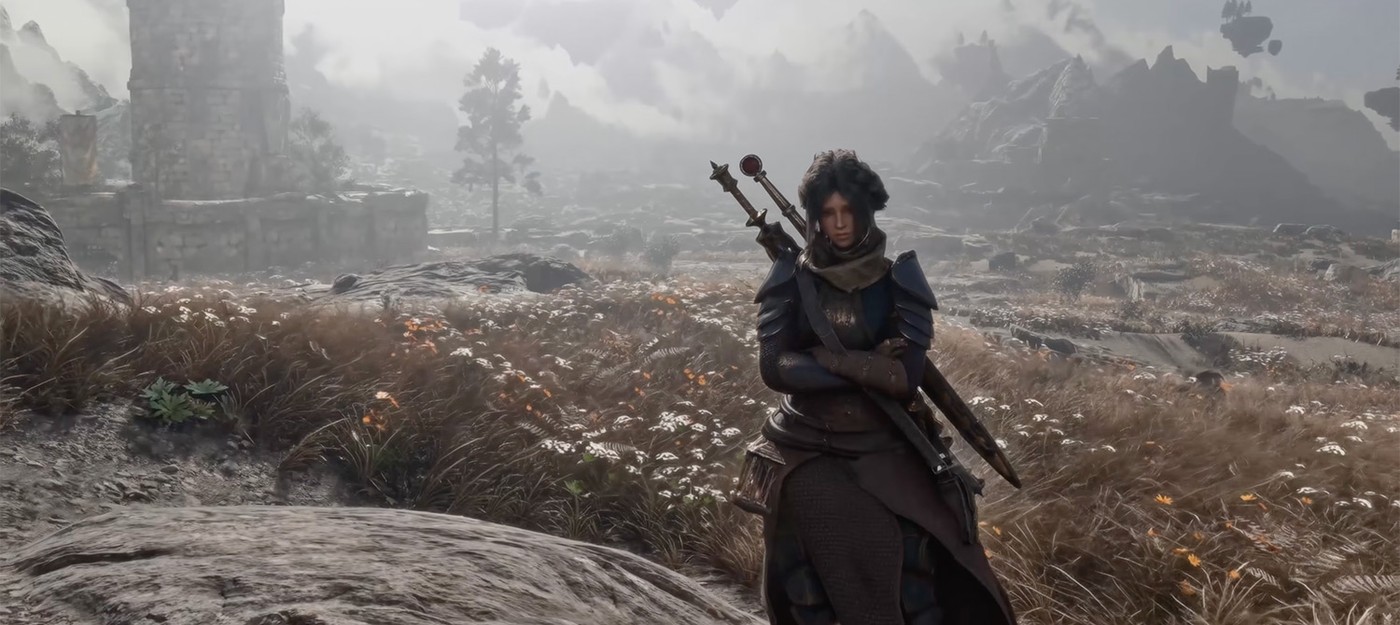
A YouTuber going by fjeldar tested a leaked build of Nvidia neural rendering tech in The Elder Scrolls V: Skyrim, running it on top of a modlist with more than four thousand mods.
The test ran on a GeForce RTX 4080 Super paired with a Ryzen 7 9800X3D and 32GB of DDR5, and the video author noted the performance held up better than expected.
The whole thing exists because of a leak. Dataminers digging through the NBA 2K27 early access build found a library called nvngx_dlssnr.dll, version 310.8.0.0, that had apparently slipped in by mistake. Within hours, people had it running in unrelated games. Modder PureDark folded it into his own Skyrim Upscaler and posted the first videos on August 27.
This isn't upscaling in the traditional sense. The neural renderer takes in the color buffer and motion vectors, then rebuilds lighting and materials from scratch, which changes how faces, skin, hair, and surfaces look compared to what the engine renders natively.
None of this is supposed to work, technically speaking. Nvidia announced DLSS 5 on March 16, set a release window for fall 2026, and limited support to GeForce RTX 50 cards. The official supported games list includes Starfield and The Elder Scrolls IV: Oblivion Remastered – not Skyrim.
Commenters focused partly on the fact that four thousand mods somehow worked together without falling apart, and several asked for the list to be packaged as a Wabbajack install. Skeptics pointed out smearing during fast camera turns, an uncanny valley effect caused by outdated animations, and exaggerated wrinkles that make characters look older than intended.
There was a technical point raised too. Much of the visual heavy lifting here isn't coming from the neural network at all – it's the modlist itself, built around Community Shaders and character model overhauls like COTR and UBE, both of which rely on Genesis-based assets from Daz 3D.
In PureDark demo footage, the character creation screen dropped from 120 fps to around 60, while the open world hovered around 45–50 fps. The same setup dragged Control down from 71 fps to 35 fps on an RTX 5070 Ti.