A 3,300-year-old sword was lifted from the bottom of an Italian lake, and its blade is still sharp

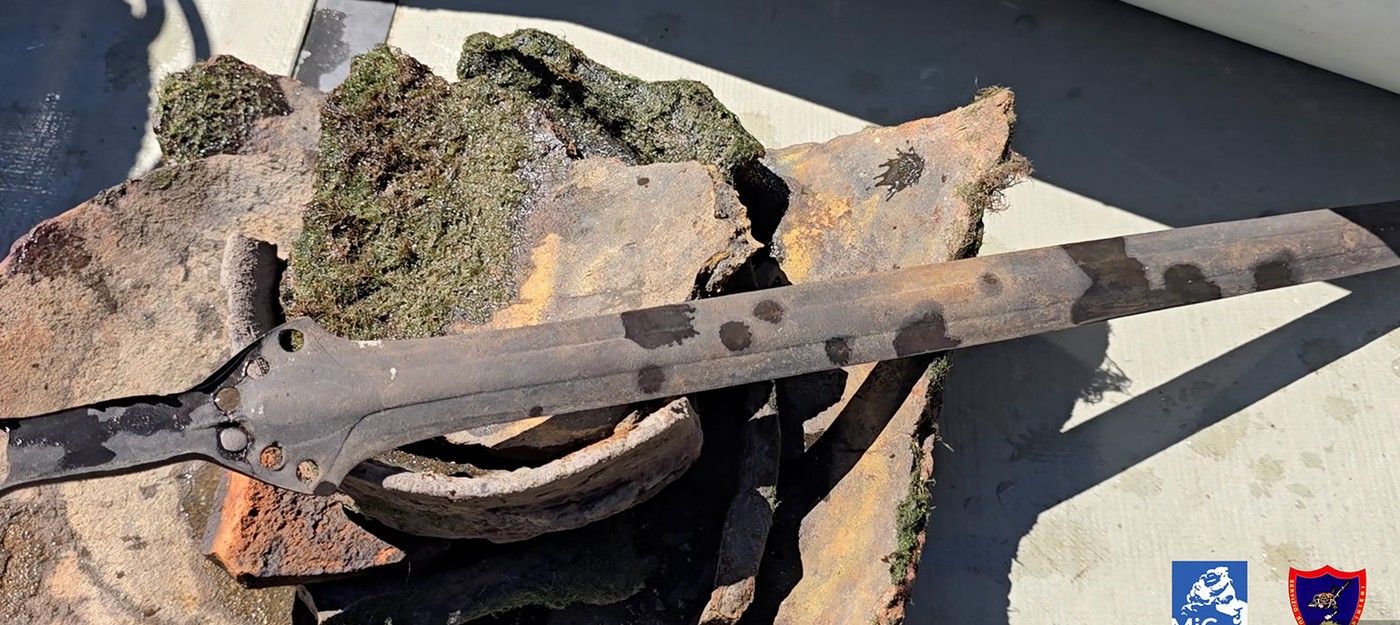
Archaeologists in central Italy have pulled a bronze sword at least 3,300 years old from the bottom of a small lake. The weapon is remarkably well preserved, and the blade still has a sharp cutting edge.
The sword was recovered in October from Lake Mezzano in the province of Viterbo, a small lake of volcanic origin in the historical region of Southern Etruria. It dates to the Bronze Age, long before the Etruscans rose to prominence.
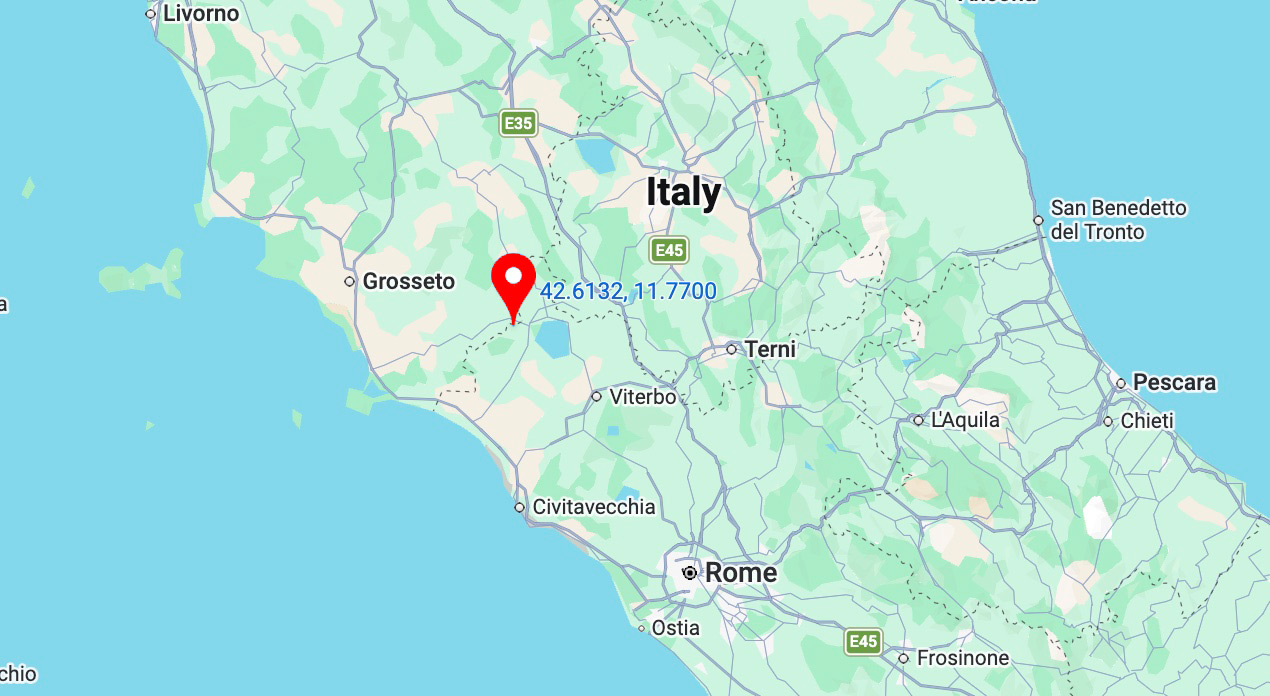
The find was announced by Italy's Superintendence of Archaeology, Fine Arts and Landscape for the Province of Viterbo and Southern Etruria. Experts see the artifact as an important source of information about the people who lived around the lake over three thousand years ago.
The artifact, preserved in excellent condition, still featuring a sharp edge, represents an important addition to our understanding of the communities that frequented the lake basin over three thousand years ago.
According to the Superintendence, this is the third sword found at similar sites since the 1970s, and experts consider it to be of "extraordinary interest." The agency added that the discovery strengthens Mezzano's reputation as one of the key sites for the study of the region's early history.
The new discovery further confirms the exceptional scientific significance of Lake Mezzano and the importance of this site for the study of the protohistory of central Italy. The new evidence contributes to enriching our knowledge of the populations who inhabited Tuscia over three thousand years ago, opening up further research avenues into the economic, social, and cultural dynamics that characterized the region in prehistoric times, well before the emergence of the Etruscan civilization.
Protohistory is the transitional period between prehistory and the era for which written sources survive. Tuscia covers the territory of ancient Etruria, roughly the modern province of Viterbo. It was here that one of the most developed cultures of pre-Roman Italy later emerged.
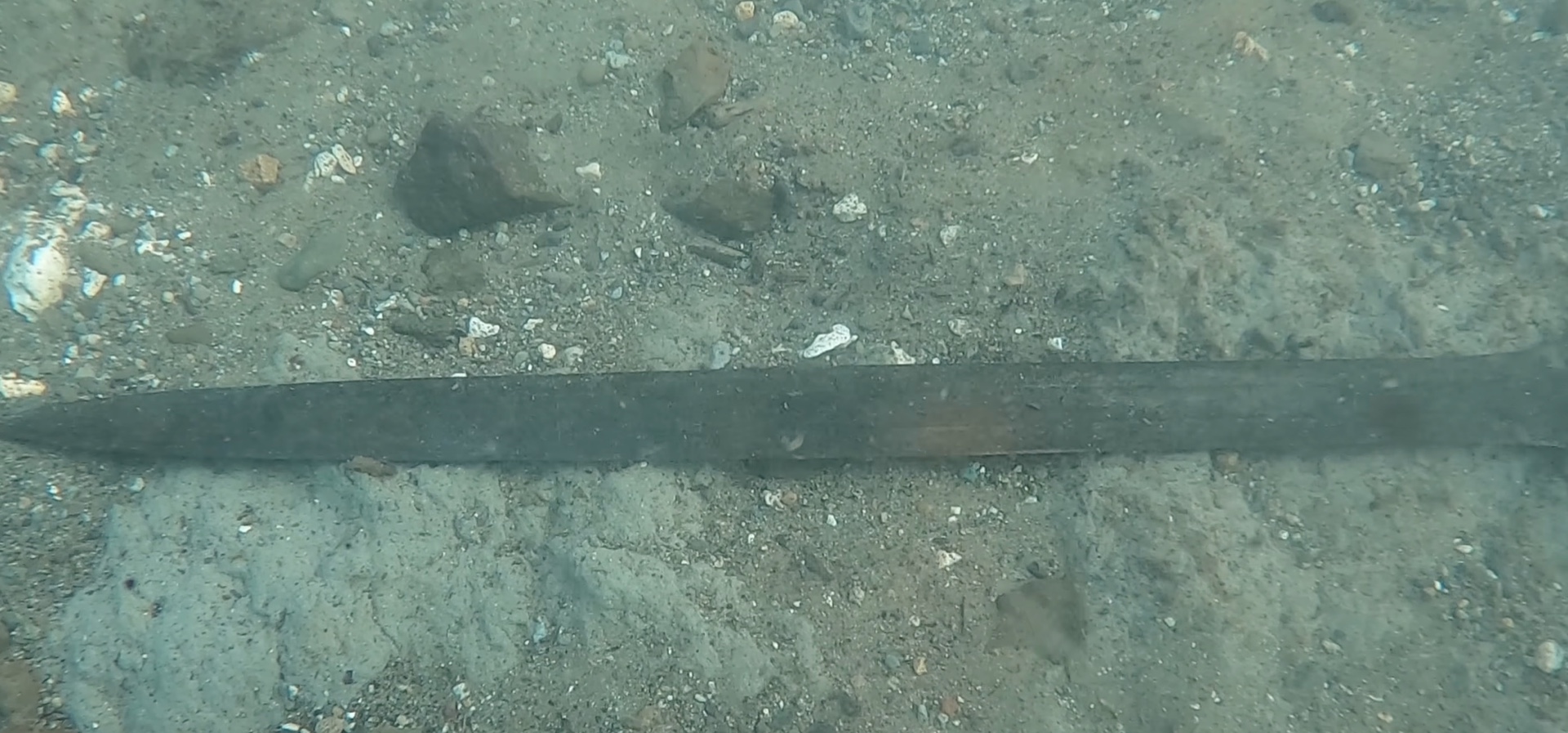
Work at the lake will continue in the coming years. Archaeologists hope to find more items linked to "ritual and cult practices connected to water." In Bronze Age Europe, valuables, including weapons, were often offered to rivers, lakes, and bogs. Such offerings could be intended for deities or form part of funerary and community rites.
- 11-year-old fossil collector became the world's youngest museum curator – he opened it at just 9 years old