Fan uses Claude AI to speed up Oblivion Remastered by over 40% and almost eliminate stutters

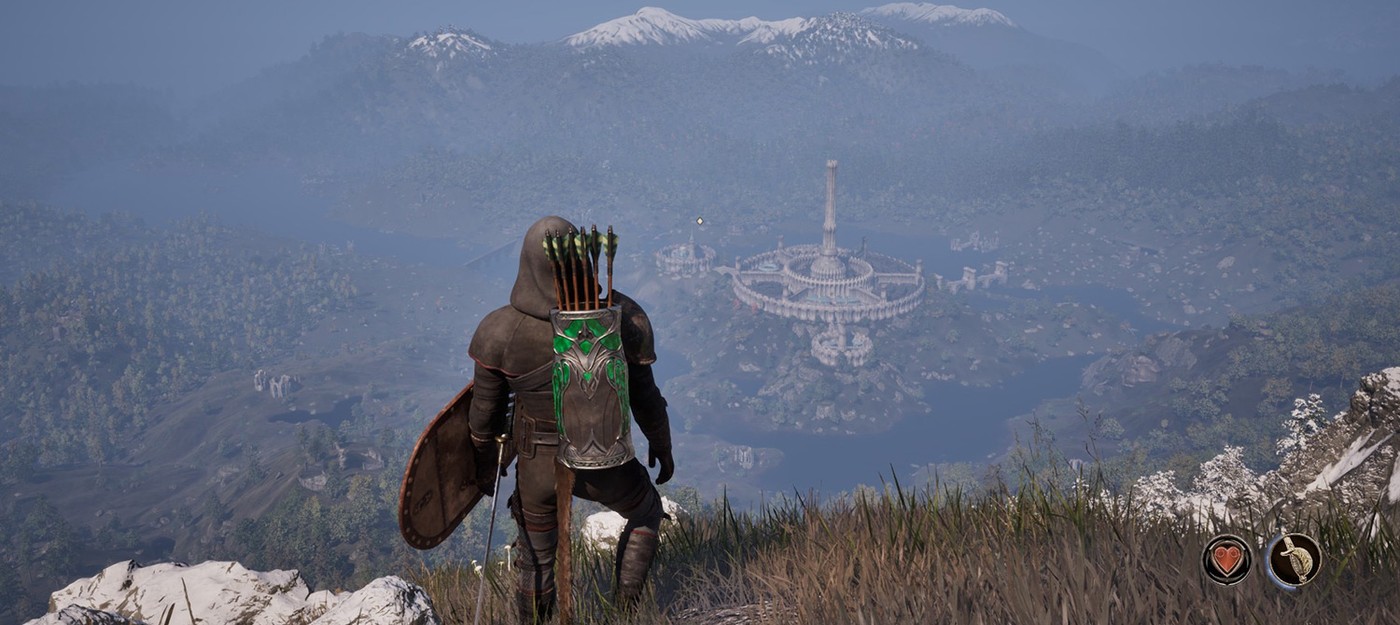
A gamer going by LTSharpe has released a mod for The Elder Scrolls IV: Oblivion Remastered that raises average FPS by more than 40% and noticeably cuts stutter, all without hurting visual quality.
Nearly all of the mod code was written with Anthropic Claude Opus 5.5.
Since launch, the remaster has struggled with CPU bottlenecks, unstable frame rates, and uneven frame times. Players also complain about traversal stutter in the open world, especially on NVIDIA GPUs. Part of the problem comes down to architecture: Unreal Engine 5 renders the picture, while the game logic still runs on the original engine, and that combination puts a heavy load on the CPU.
LTSharpe explained that even swapping a GeForce RTX 2070 Super for a Radeon RX 9070 XT didn't fix the performance problems on his Ryzen 7 5800X system. He turned to Claude Opus 5.5, and the AI found several fundamental inefficiencies in the game code.
Roughly two and a half weeks of reverse engineering, profiling, and optimization followed. LTSharpe has no professional development background, so he set the tasks for the AI and checked the results. The work produced about 40 engine-level optimizations, which went into an open-source mod called Oblivion Remastered Performance Fix.
Most of the problems found came down to inefficient CPU usage. The bottlenecks included:
the sun and moon lighting system being rebuilt every frame, even when nothing in the scene changed
redundant memory allocations
DirectX 12 command preparation running almost entirely on a single thread
expensive world-streaming operations that could stall entire frames
The mod improves multithreading and manages memory more efficiently. Heavy operations are now spread across several frames instead of landing in one. Visual quality stays intact, with Nanite virtualized geometry, Lumen ray-traced lighting, Virtual Shadow Maps, and high draw distances all still in place.
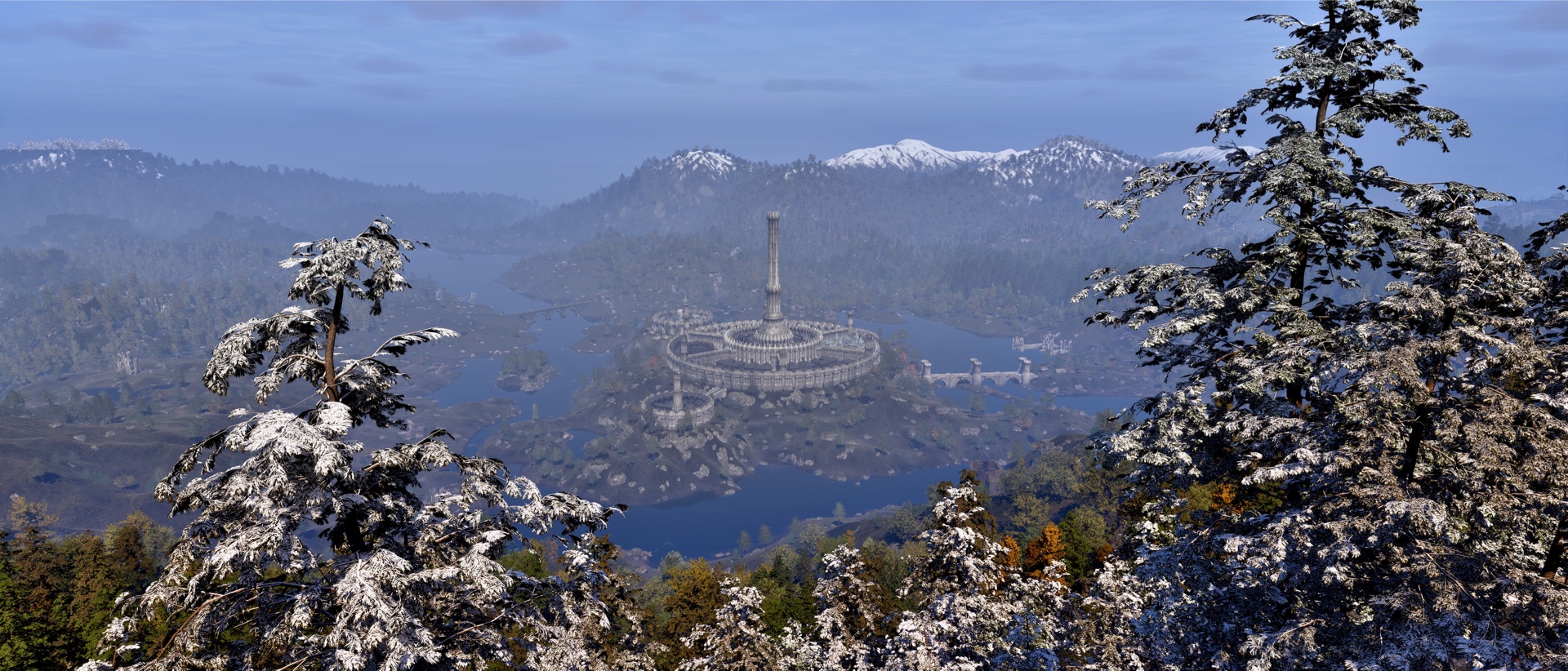
The mod author backed up the results with benchmarks. Besides average FPS, he measured 1% lows, meaning the frame rate across the slowest 1% of frames. That metric best reflects hitches and stutter.
Imperial City flythrough (4K, FSR Performance, and Frame Generation) – average FPS rose from 72 to 102 (+41%), 1% lows from 33 to 45 FPS, and the number of hitches longer than 50 ms dropped from 19.5 to 4.8 per run
Cheydinhal – average FPS rose from 64 to 91 (+43%), 1% lows from 50 to 68 FPS
Test without FSR Frame Generation – 1% lows rose from 26 to 43 FPS
That last result shows the mod delivers not just a higher average FPS but smoother gameplay too. After installation, loading stutters also occur less often, menus respond faster, and FSR Frame Generation scheduling runs more efficiently. Several issues that caused game crashes have been fixed as well.
The mod also adds support for AMD newer machine-learning-based FSR Frame Generation on Radeon RX 9000 series GPUs. That requires installing the matching FSR 3.1.4 library.
The v1.0.0 beta is already available on GitHub along with the source code and tools for reproducible performance testing. Installation just means extracting the files into the game folder.
So far, the results come mainly from a single system with a Ryzen 7 5800X and Radeon RX 9070 XT. Gains on other setups will depend on the hardware and on whether the game is limited by the CPU or the GPU. Compatibility with different PC configurations still needs to be tested.
- On day two, an AI-created clone of Cities Skylines already lets you build cities in the browser
- Developer built a Cities: Skylines prototype on Three.js using AI and a single prompt, spending $203
- Developer from Turkey used Claude Code to clean junk off Android TV and got a speed boost