In 45 minutes, GPT-6 AI built a prototype 3D voxel-style game on Three.js

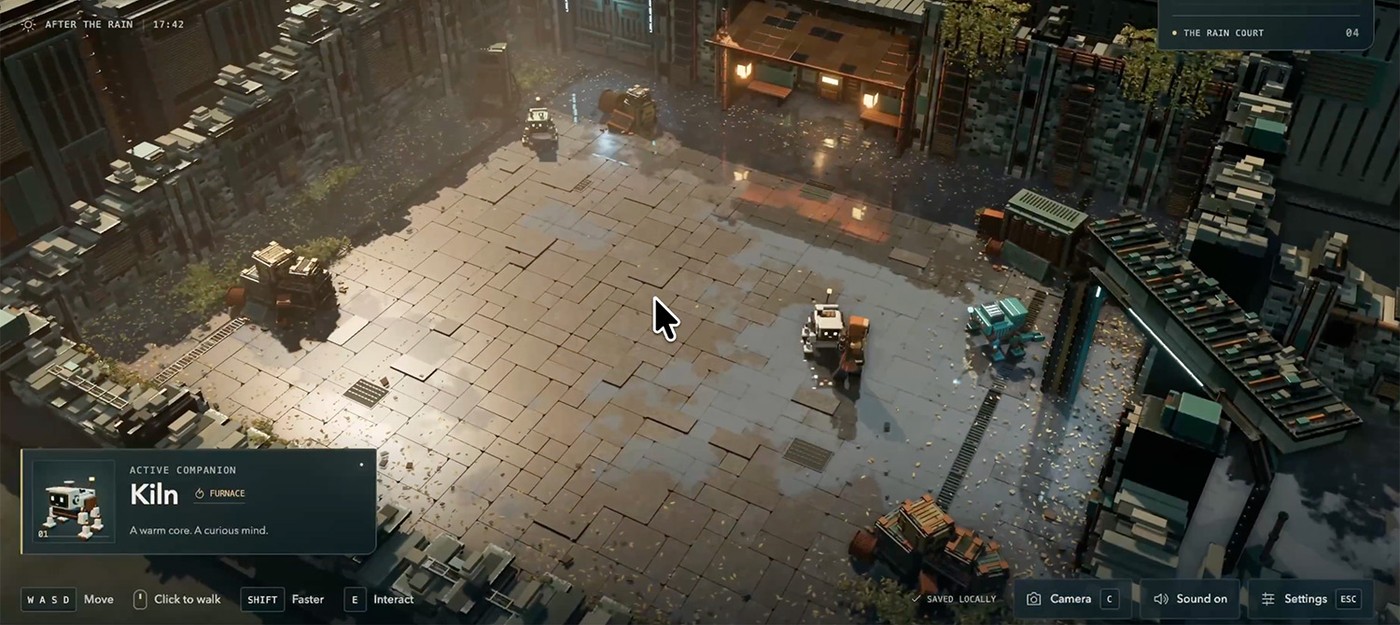
A developer going by Anshu posted a prototype of a 3D game that GPT-6 Astra reportedly built on the first attempt in 45 minutes. Every bit of geometry and every texture came straight from the model, with no premade assets involved.
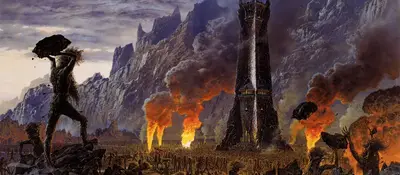
The main trick here revolves around image generation. Instead of describing the desired style in words, Anshu had the model draw concept art of the target aesthetic first, then match the in-game visuals to those references.
The process broke down like this:
Connect Codex to Blender through MCP
Feed in a description of the game concept and its mechanics
Ask Astra to generate concept art for the target art style using its built-in image generation tool
Iteratively compare in-game screenshots against the concepts and adjust the scene until the difference is minimal
Keep a stable 60 frames per second throughout
Reasoning effort was set to high, and Astra handed off modeling tasks to subagents. Everything runs on Three.js rather than Unity or Unreal.
The prompt itself wasn't particularly elaborate. It laid out the game mechanics and asked for one specific mood:
Sad but beautiful dystopian theme with something like a voxel art style and lighting that feels real and physical.
Blender MCP, the tool used to control the 3D editor, is an open-source project by Siddharth Ahuja. It consists of a Blender add-on running a socket server paired with a Python MCP server, letting the model create objects, assign materials, capture viewport screenshots, and run arbitrary code directly inside the editor.
Anshu kept his assessment of Astra brief. He said the model noticed small details and kept working until the scene looked almost like the concept art, while older models used to get about halfway there and call the job done.
He also pointed out a funny contradiction. The same model that produced this 3D artwork turns out genuinely mediocre 2D interface overlays.
The claim about quota usage drew the most skepticism in the comments. Anshu runs a Pro plan with a 20x limit and says his usage dropped from 85% to 83%, though longer iteration sessions did eat into the counter by about 20%. Other users chimed in saying a single prompt on a Plus plan burned through their five-hour limit in seven minutes, and that a simple website ate up 30% of their quota in an hour.
The approach has limits too. Anshu hasn't tried rigging yet, and walking and movement animations run on code rather than an actual skeleton. Commenters also pointed out that character generation from AI models still tops out around Roblox or Minecraft quality.
The prototype was meant to be a roguelike, an idea Anshu had been sitting on for a while and specifically saved for the launch of a new model. He says he plans to bring it to release, though he gave no timeline.
GPT-6 Astra itself launched on September 3, 2026, four weeks after OpenAI delayed its rollout over cybersecurity concerns. Pricing sits at $10 per million input tokens and $50 per million output tokens, the context window reaches a million tokens, and OpenAI calls it the best model currently available for software development.
- Enthusiast spent $700 on tokens, but ChatGPT-6 Astra couldn't even get through the tutorial in Cuphead
- GPT-6 Astra was trained on one hundred thousand Nvidia video cards – Jensen Huang is ready to allocate 400 thousand video cards for the next model
- AI GPT-6 Astra created a three-dimensional world inspired by six paintings by Vincent van Gogh