Fallout 3 players recalled how they couldn't get through the metro because the map was hidden in terminals

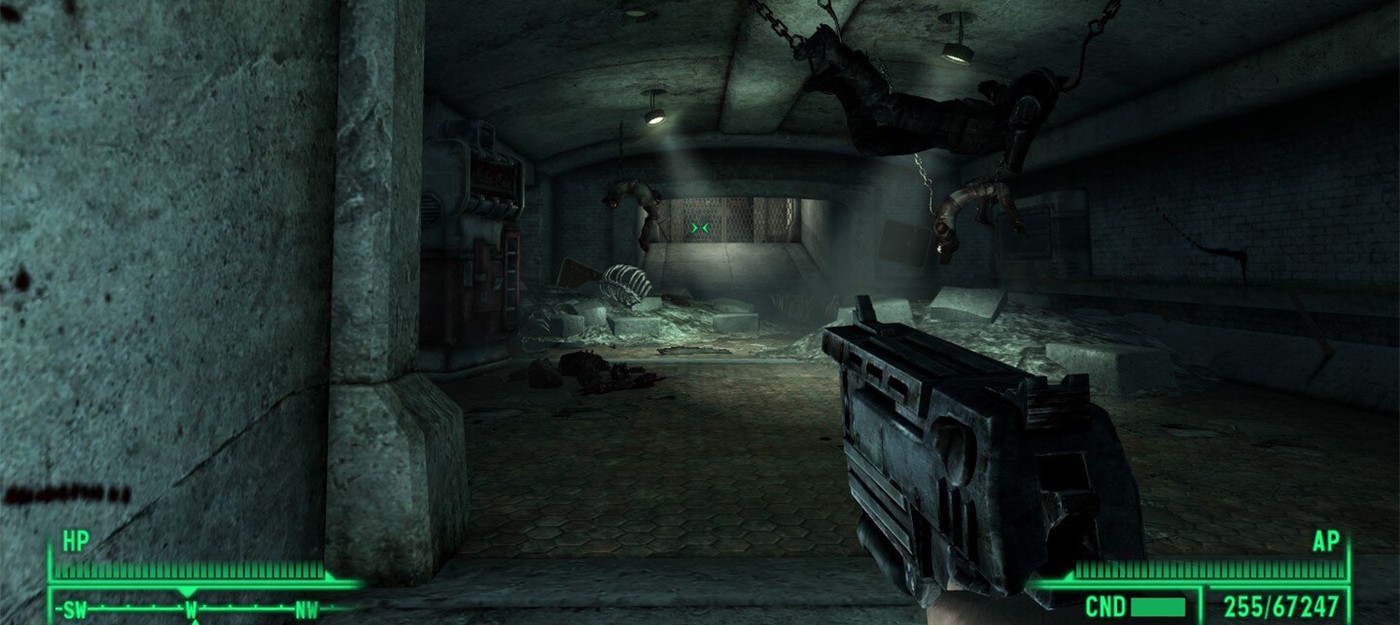
The Washington D.C. subway in Fallout 3 is still where playthroughs go to die.
Players head down there for a quest, lose their bearings among identical tunnels, and can't find the right exit. Some of them don't come back to the game for years after that.
The design choice comes down to hardware limitations. 2008-era hardware couldn't handle the capital as one seamless location, so Bethesda split the city into sectors connected by a network of stations. Lead designer Joel Burgess has said the team built the pre-war station and route layout based on Washington's real public transit system.
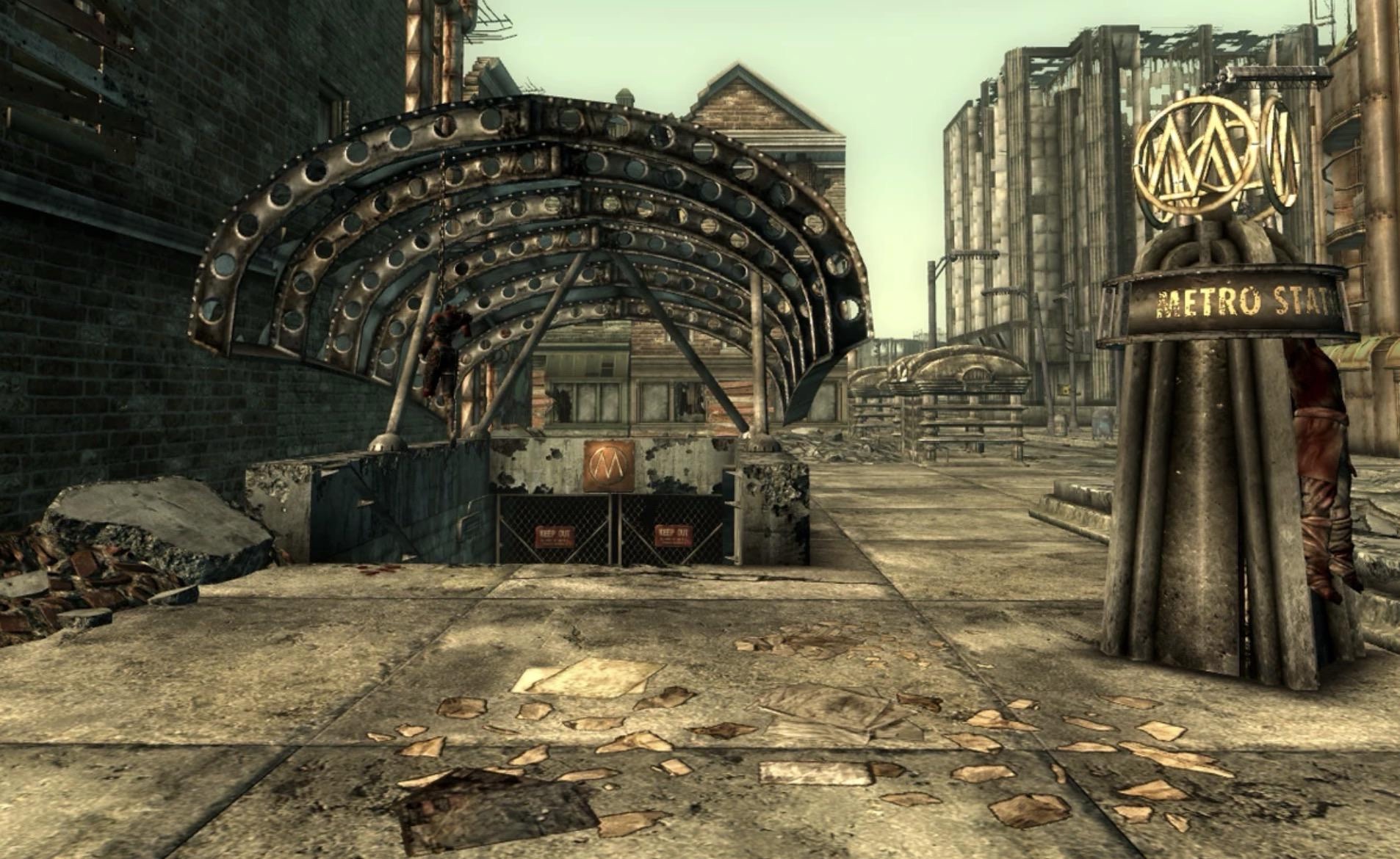
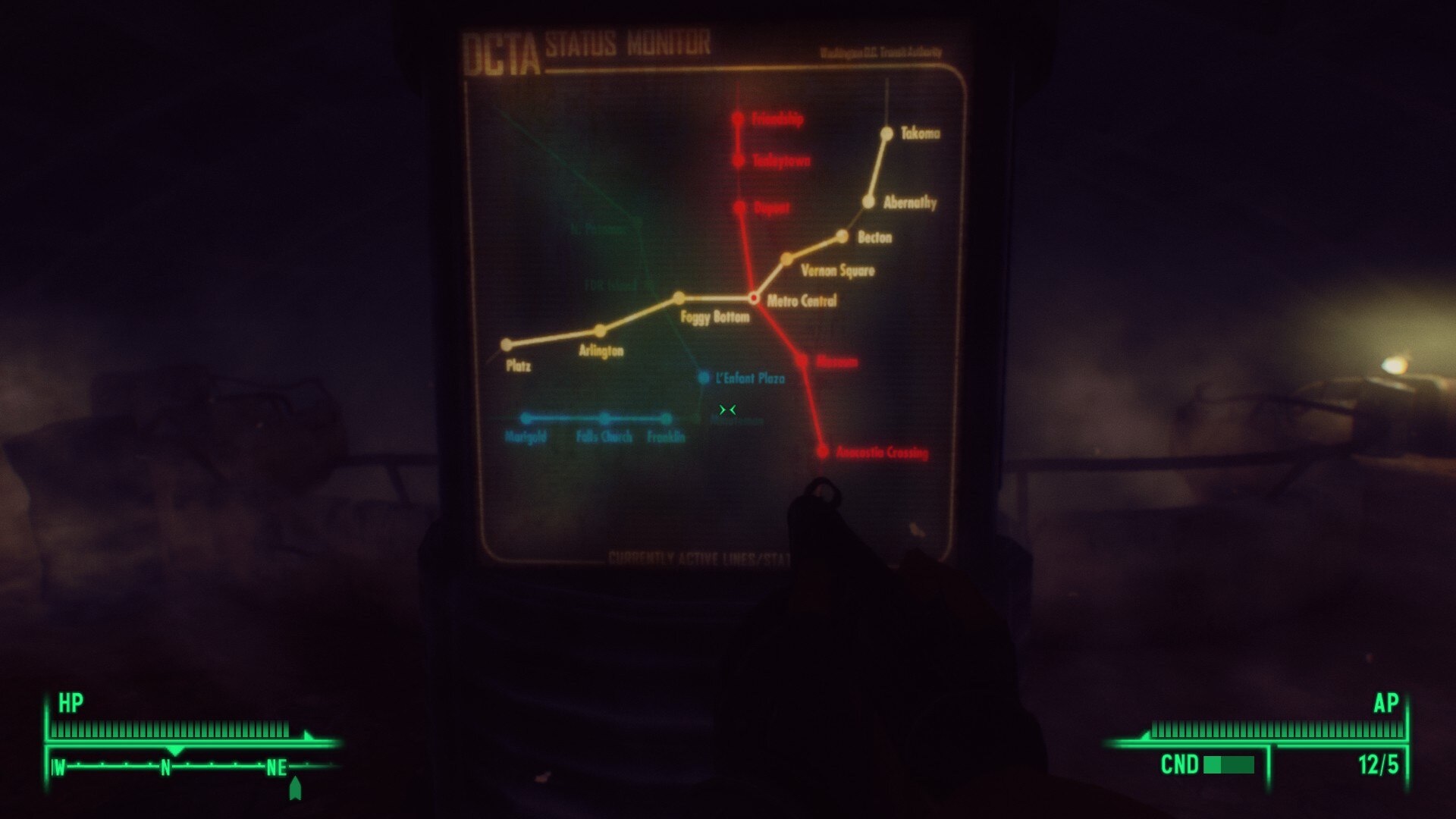
There's a basic navigation tool inside the game, but it never tells you about it. Terminals near protectron pods at Metro Central, Foggy Bottom, and Anacostia Crossing stations let you download the DCTA map. Once loaded, it lands in the Pip-Boy notes section.
The map is pre-war and incomplete. It's missing a good chunk of stations, and the connections between lines don't always match what's actually built in-game after collapses and cave-ins. It won't help with precise route planning, but it does show which station connects to which district of the capital.
The local map is its own problem. It doesn't distinguish walls from passages, doesn't show elevation changes, and barely helps figure out where the next staircase leads. The quest marker often routes players through the most awkward path available, and it doesn't work at all during free exploration.
Over the years, players have developed a set of tricks to make up for the weak navigation:
stick to one wall and turn the same direction at every fork
memorize station names on the service signs inside the tunnels
check the info boards with maps right on the platforms – these can be read without opening the Pip-Boy
activate protectrons, which clear nearby tunnels of feral ghouls
loop around downtown along the riverbed if the destination is near Rivet City
Modders take a different approach. There's a texture replacer that brings the wall maps in line with the actual tunnel layout, and overhauls like Tale of Two Wastelands port the Capital Wasteland onto the New Vegas engine along with interface fixes.
Sound design adds to the trouble. Feral ghouls attack in the dark, the sound of bare feet on concrete reaches you before the enemy comes into view, and stimpak supplies at low levels usually run out fast. That combination was often enough to make young players just turn the game off.
The Metro stops being an obstacle once players unlock fast travel points on the surface. Every station found and every exit into the city adds a new marker, and after that there's barely any reason to go back underground. The main story even allows players to skip inner Washington entirely.
The topic resurfaced thanks to Bethesda's plans. In a July address, studio director Todd Howard said remasters of Fallout 3 and Fallout: New Vegas are in development, though the studio hasn't given a release date. Howard also didn't say how far along the work is.
Some of the audience have grown wary of the remaster after the experience with Oblivion Remastered. At minimum, it'll need serious optimization work.