Fallout creator explained using Tolkien as an example why audiences reject new ideas because of the creator's name

Tim Cain, one of the creators of Fallout and the creator of Arcanum, posted a video on his YouTube channel asking a question he doesn't have an answer to himself. Can a developer with thirty years of reputation make a game completely unlike anything he's made before? The idea came from a note he jotted down in one of his notebooks years ago.
Cain immediately warned that he wasn't referencing anything recent and wasn't hinting at future projects. He refused to reveal any details of the idea, since he knows from experience that listeners often latch onto individual pieces and miss the point entirely.
According to Cain, the concept for the new game was very dark, but centered on hope and hopelessness. As players progress, they gradually discover that the main quest simply cannot be solved – not by their skills, not by anyone else's, under any circumstances.
Then comes the real choice. Should the hero report this to those who sent them on the journey, robbing everyone else of hope? The decision rests with the player, and the whole structure is built around that choice.
During a lull at work, Cain pitched the idea to three colleagues, spending thirty minutes to an hour on each conversation. All three liked the idea. All three also raised objections.
The first objection was simple – too dark, and unclear where the fun is supposed to come from. Cain noted that he'd heard the exact same line back in 1996, when he was explaining Fallout to someone from the marketing department.
That person said they understood the game, but it felt dark in both tone and mood, and it wasn't clear who would want that. Cain figured the marketer imagined games as always bright and full of cheerful sounds. He gave the same answer he'd give three decades later – people will love it.
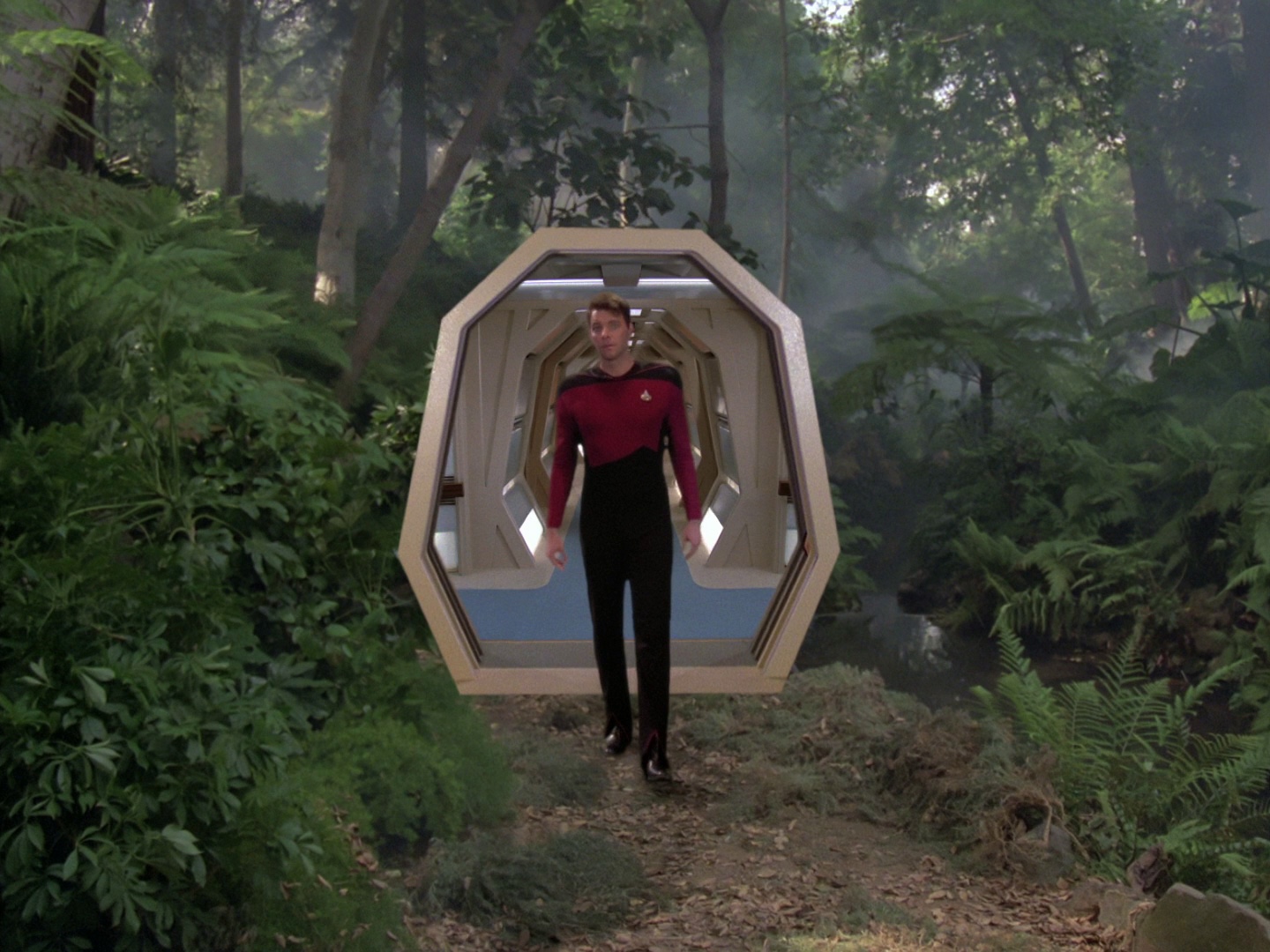
The second objection was about motivation. Why bother playing if the main quest can never be finished? Cain pointed to "Star Trek: The Next Generation" and the android Data, who often said he might never become human, but that the journey itself mattered.
By that logic, the player still gets to do plenty of interesting things on the way to an unreachable goal. The final revelation stays bleak – in his notes, Cain called it a hope-crusher. But everything that happened before that moment doesn't just disappear.
The third conversation turned out to be the toughest. The colleague reminded Cain of his own video about generative AI, which had drawn a wave of criticism. In that video he described a holodeck and replicators from the same Star Trek universe, but never made a direct reference to the show.
Commenters called the future he described dystopian and were outraged by the very idea of ordering new chapters or episodes for a book or show. They were also upset by the idea of a house that produces everything you need, removing any reason to ever leave. The colleague pointed out that this is literally the plot of the show, where characters regularly created their own holodeck scenarios, like the Sherlock Holmes stories.
Her main argument centered on the episode where Geordi La Forge recreated the planet Risa for a date. According to canon, Risa is a resort world whose economy runs on tourism, with huge sums invested in weather control and beach infrastructure. Geordi simply asked the computer for a copy, and nobody on screen called it stealing an entire planet.
Her conclusion was blunt. The audience hears a new idea, instantly builds the worst-case version of it in their heads, and declares it terrible, without ever noticing that the same thing already exists in a beloved show. The same thing would happen with a game about hopelessness.
But it turned out the idea itself wasn't even the real problem. Several people told Cain the idea wouldn't be accepted coming from him specifically. When he asked why he was wrong for such a game, they explained it came down to expectations.
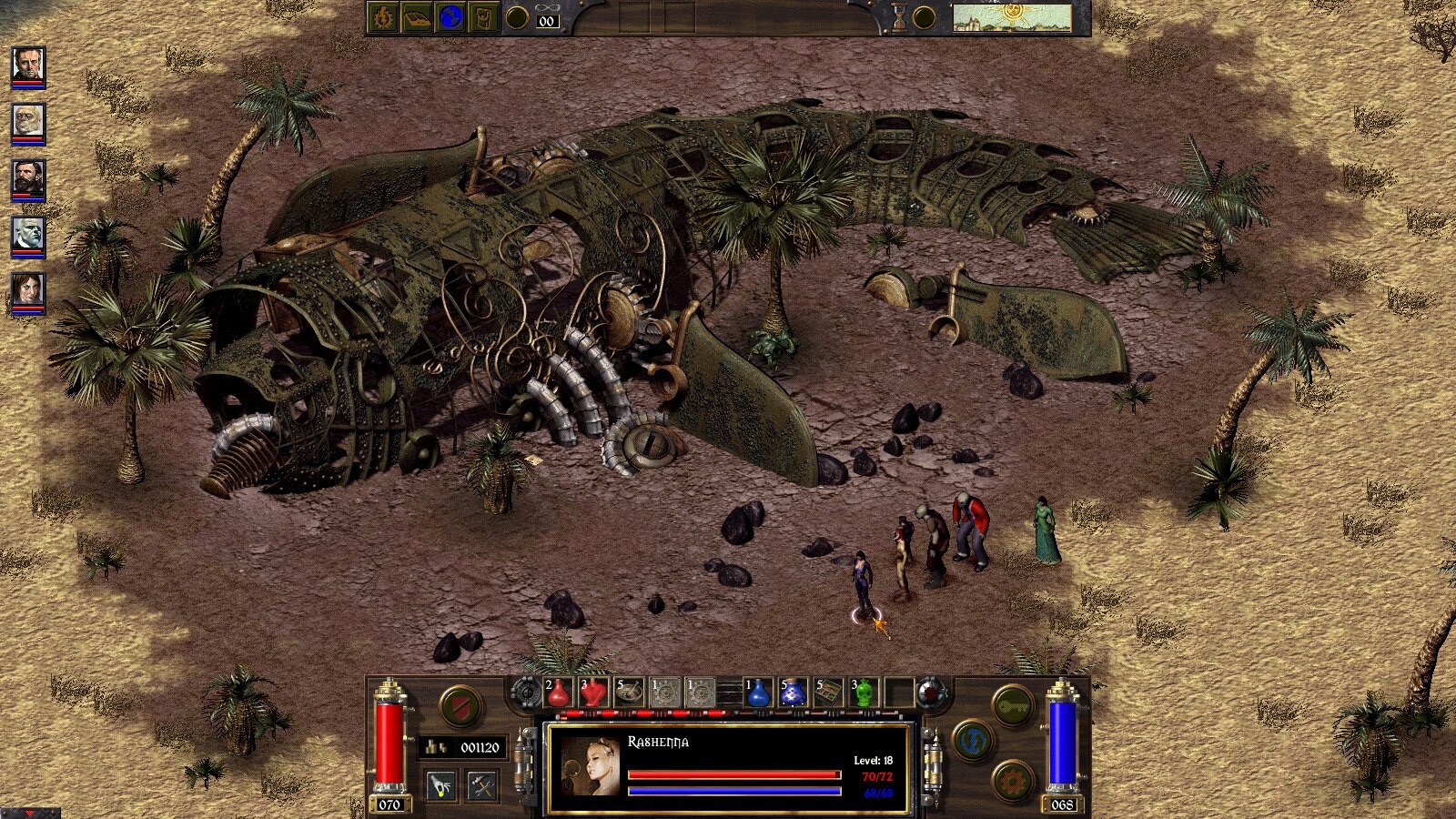
For decades Cain has made role-playing games where even the darkest scenes came with humor. It was there in Fallout, in Arcanum, in The Outer Worlds, and that's exactly what people expect from him. A game without that element risks leaving players feeling like they got something other than what they came for.
A colleague showed Cain a collection of forum posts to illustrate the range of expectations out there. He compared the situation to a pendulum swinging between two extremes. On one side, declarations of love and demands to repeat past success under a "you owe us" mentality, on the other, statements like "you've changed, stop making games."
Both his colleagues and friends laughed at the second extreme, calling him the least-changed person they know. But the colleague's phrasing hit closer to the mark. The idea very much fits who he is – just not the Cain that players think they know.
The list of people who might reject the idea, colleagues expanded to cover the entire production chain:
some studio staff, who would be surprised by the pitch itself
his direct manager, who would suggest going back to a proven formula
publishers used to getting a specific type of game from a specific developer
players expecting the familiar mix of darkness and humor
Cain also talked