Fallout 3 fan asked the remaster's developers to get rid of Rivet City's loading screens

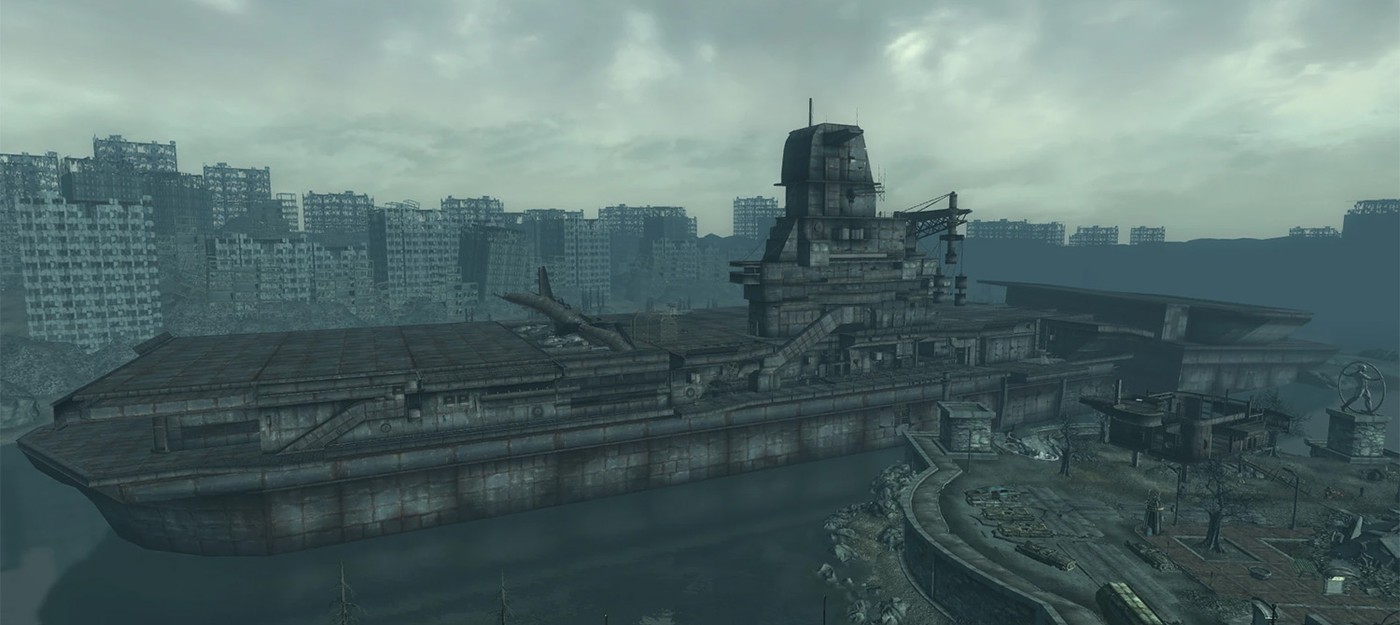
Bethesda Game Studios officially confirmed remasters of Fallout 3 and Fallout: New Vegas, though no release dates were given.
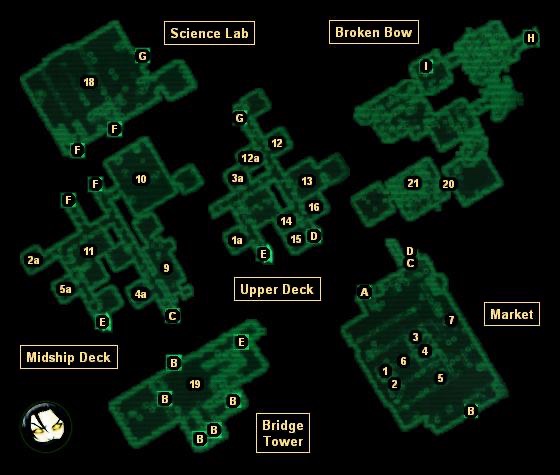
Discussion after the announcement quickly turned to a question that matters more to players than graphics. It concerns loading screens, especially in Rivet City, where moving through the ship requires six to seven separate zones.
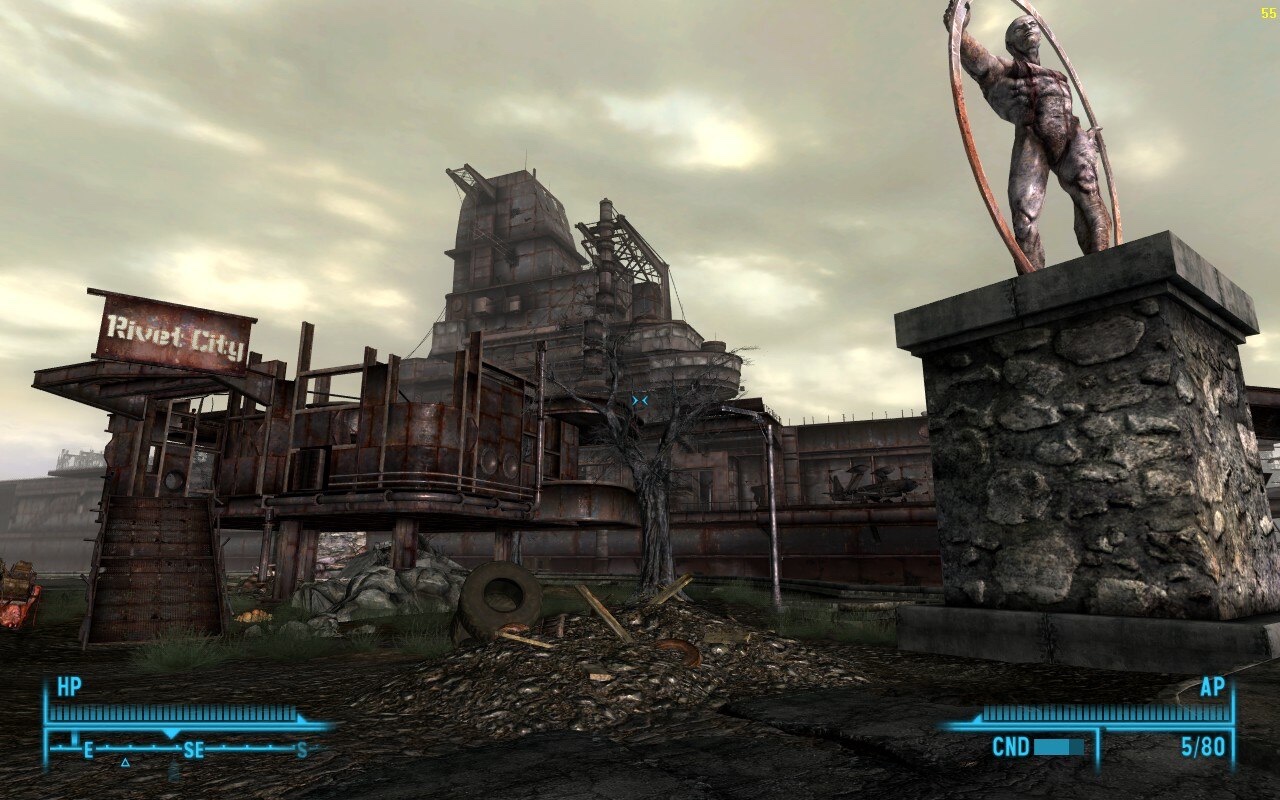
Rivet City remains a key quest hub in the Capital Wasteland, and that's exactly where the fragmentation feels most painful. Some players consider this layout one of the most controversial design choices in the series.
The counterargument to this whole complaint comes down to modern hardware speed. On an SSD or Xbox Series X, transitions take a fraction of a second, and sometimes the door-opening sound effect lasts longer than the load itself. Testing on Steam Deck shows similar results, so the argument about wasted time feels largely outdated.
Still, veteran players point out that even a short load screen breaks up gameplay flow. And the game doesn't really benefit from splitting one location into so many separate zones anyway.
Looking at The Elder Scrolls IV: Oblivion remaster, concerns about structure make sense. That game kept the same loading zones as the original, with changes limited to an Unreal Engine 5 layer over the old logic plus small mechanical tweaks. Players noticed loading screens in the reworked version actually ran longer than in the original, and optimization on Xbox Series X drew complaints.
The main argument against high expectations is basically about terminology. A remaster polishes existing assets, while reshaping geography and merging cells falls under remake territory (though that's debatable). One fan actually opened the GECK editor and checked the door placements in Rivet City, finding they don't even line up with each other.
The Strip presents a tougher case for the same reason. According to a common observation among modders, the interior map of the Strip is actually larger than the wall surrounding it in the open world, so simply removing cell borders isn't possible even on a modern engine. The exterior area, where the desert sits, would need to be adjusted instead.
The historical explanation points back to previous-gen consoles. The split happened because of RAM limitations on PS3, where the needed amount couldn't be allocated, so the feature got cut entirely. On PCs of that era the design would have been achievable, though there's no way to prove that now.
Modders actually solved this problem on their own years ago:
Simple Open Strip removes the Strip gates and is considered the most stable solution
Simple Open Freeside does the same for Freeside, but needs patches since many scripts and quests depend on the local cells
Freeside Open also adds cut NPCs, making the district feel more alive but putting extra strain on the engine
Simple Populated Freeside brings back that crowd on top of a cleaner version
Compatibility with major builds like Tale of Two Wastelands still works, and some players admit they'd already forgotten the Strip gates existed in the original version. The technical ceiling hasn't changed though. Gamebryo and its derivative engines drop frames when too many NPCs load at once, so loading zones serve a protective purpose rather than just compensating for old hardware.
A long-standing quirk of both games also came up. Loading times scaled with the number of saves, meaning players who saved every ten minutes saw their transitions get progressively longer. This hit Fallout: New Vegas especially hard, since reaching the Lucky 38 required several loading screens in a row.
The wishlist for the remasters also includes a fast travel point on the Strip, something the original never had. Console players call its absence the biggest annoyance, since mods aren't an option for them. Similar requests target the Capital Wasteland metro, where some suggest replacing certain transitions with long escalators instead.
Skepticism gets fueled further by Starfield and its heavy dose of loading screens, which many see as a sign of the studio current approach. Alongside the two remasters, Bethesda also confirmed Fallout 5 has entered pre-production, along with a new Obsidian Entertainment project set in the universe and a Raven Rock expansion for Fallout 76, planned for 2027 as a prequel to the events of Fallout 3.