AI agents with almost no human involvement designed a processor that is four times more efficient than a conventional core

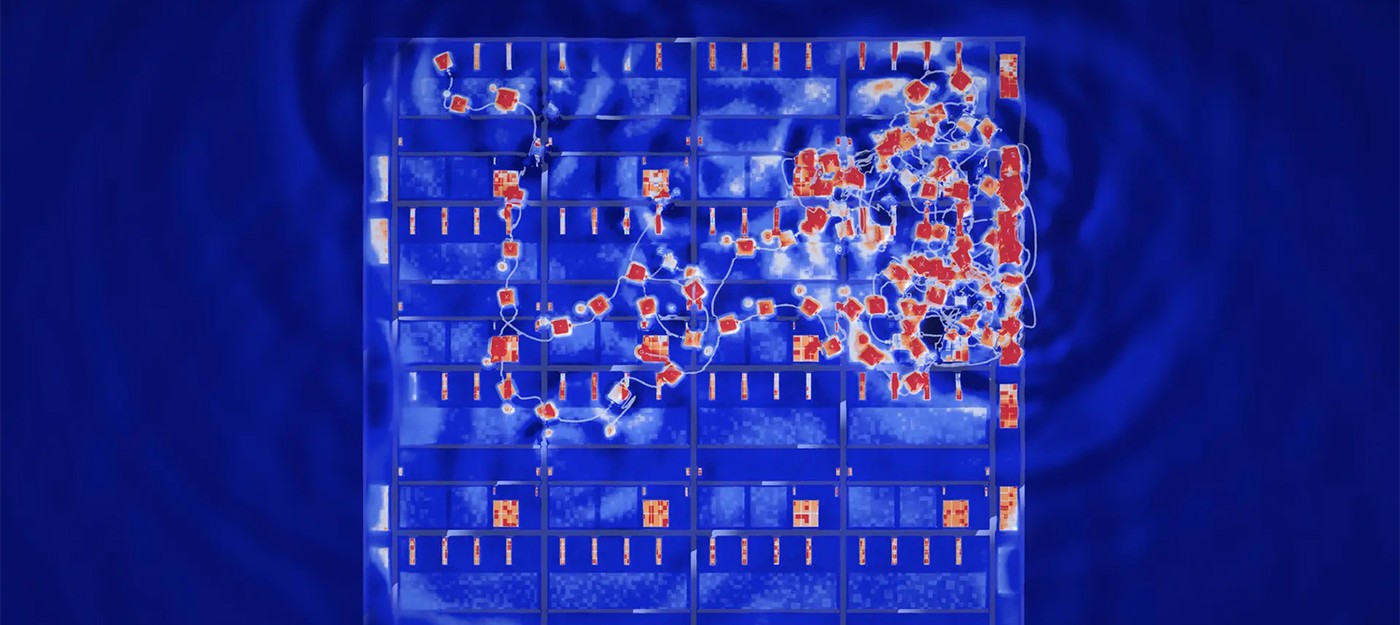
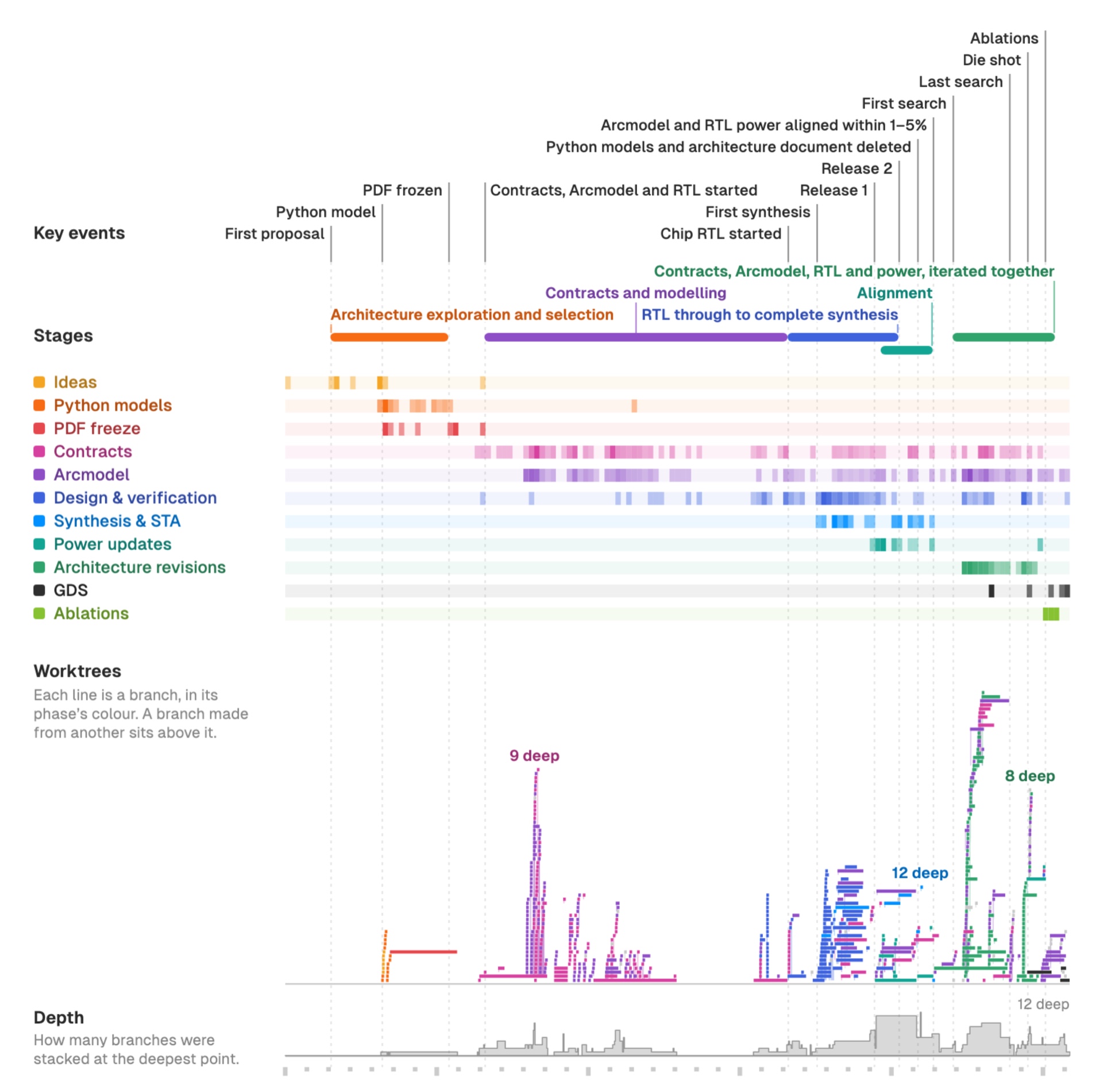
Brand-new CPU architectures are rare. Even a single conventional core can take a large team of engineers years to design. Palo Alto startup Architect Labs now says its AI agents came up with a fundamentally new architecture largely on their own, right down to the final chip layout.
The design is called Frostbite, and according to Architect Labs, it is more than four times as energy efficient as a conventional CPU core. The startup published the details in a research blog post last week.
Humans only had to set the direction by deciding what the chip should be good at. Engineers picked 25 test programs, and the agents could use ten of them to tune their designs. The AI got no starting architecture to build on.
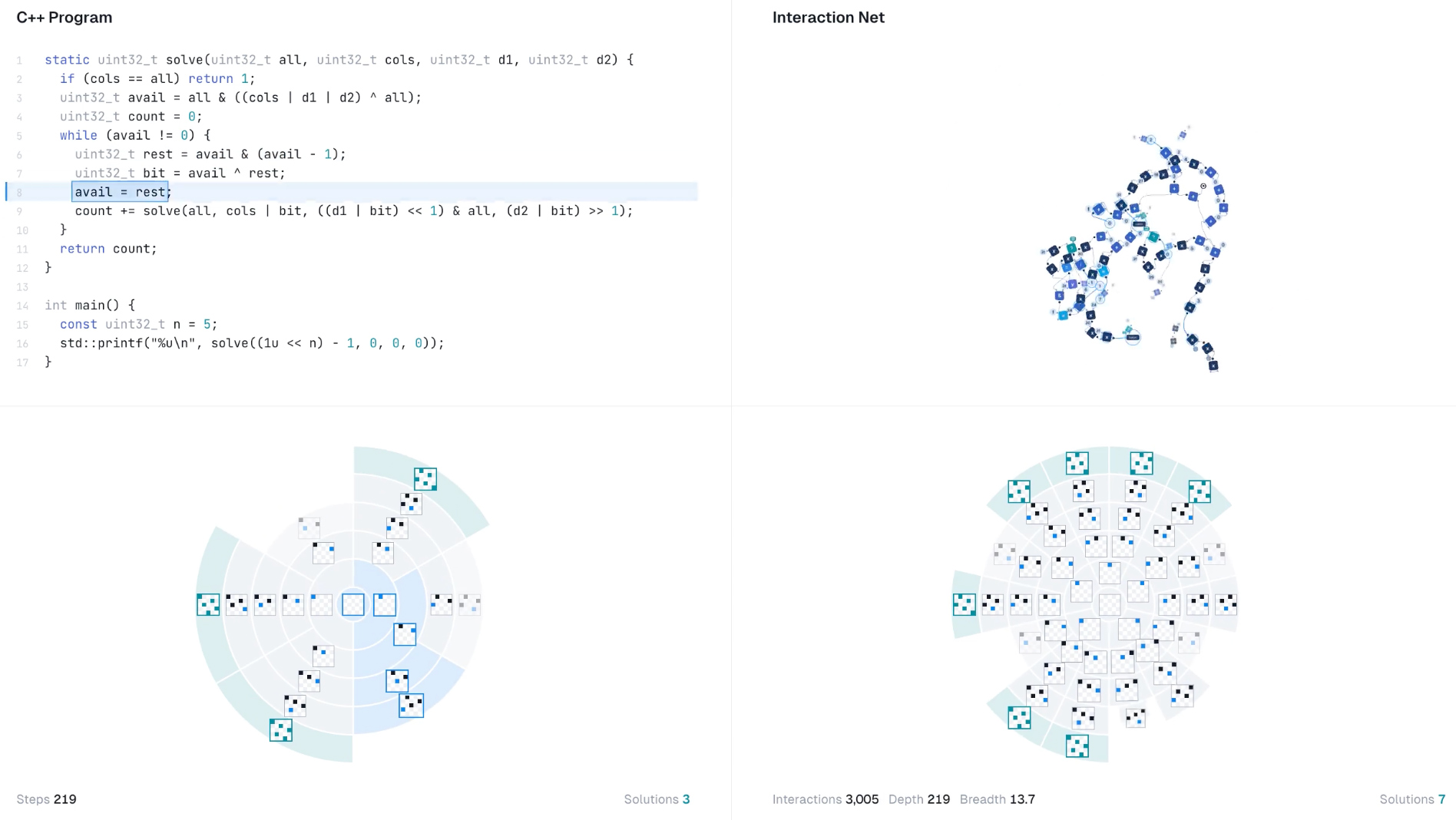
The agents began by combing through research papers and benchmark results, then prototyped candidate architectures as simple Python models. After sorting through the options, they settled on interaction nets.
The idea was introduced in 1990 by French mathematician Yves Lafont. In this model, a program is a web of connected nodes, and running it comes down to rewriting pairs of those nodes over and over.
The key point is that individual rewrites never get in each other's way. Many operations can run at once, so the chip doesn't need complex hardware logic to hunt for work that can be executed in parallel. In classic high-performance processors, those blocks take up a large share of the die area and eat a noticeable chunk of power.
The road to the final design wasn't a straight one. The agents' first spec ran to 141 pages, but the team ended up scrapping it. Once the first circuit implementation came in, many of the numbers in the document turned out to be physically impossible.
After that, development switched modes. Swarms of agents pitched changes in parallel and tested each one against a fast software model of the whole chip. That's how the architecture was gradually brought to a working state.
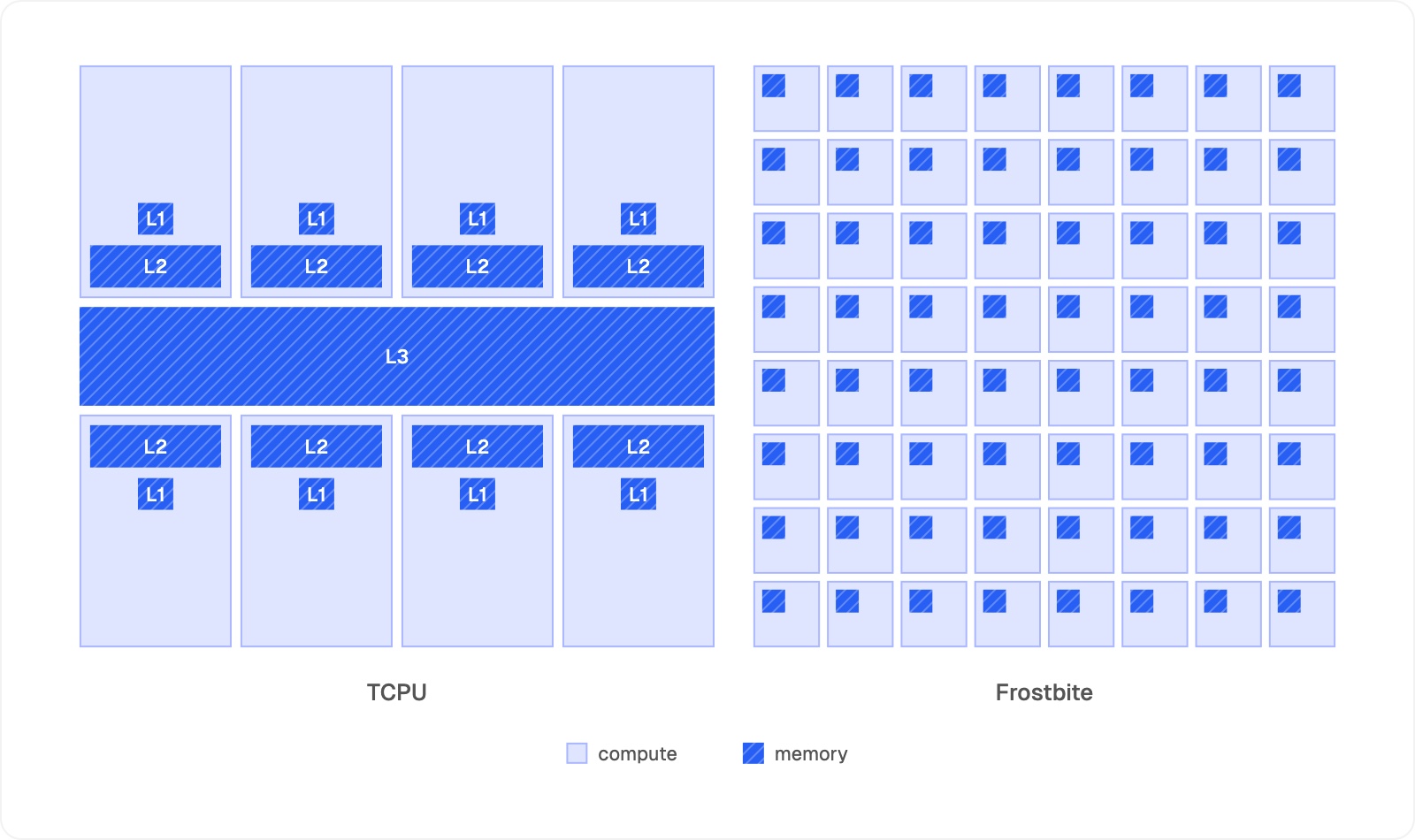
Along the way, a feature nobody had asked for showed up. The chip is split into small processing blocks, or tiles, and idle tiles pull work from busy neighbors. When no neighbor has any work to spare, the idle blocks simply power down and save energy.
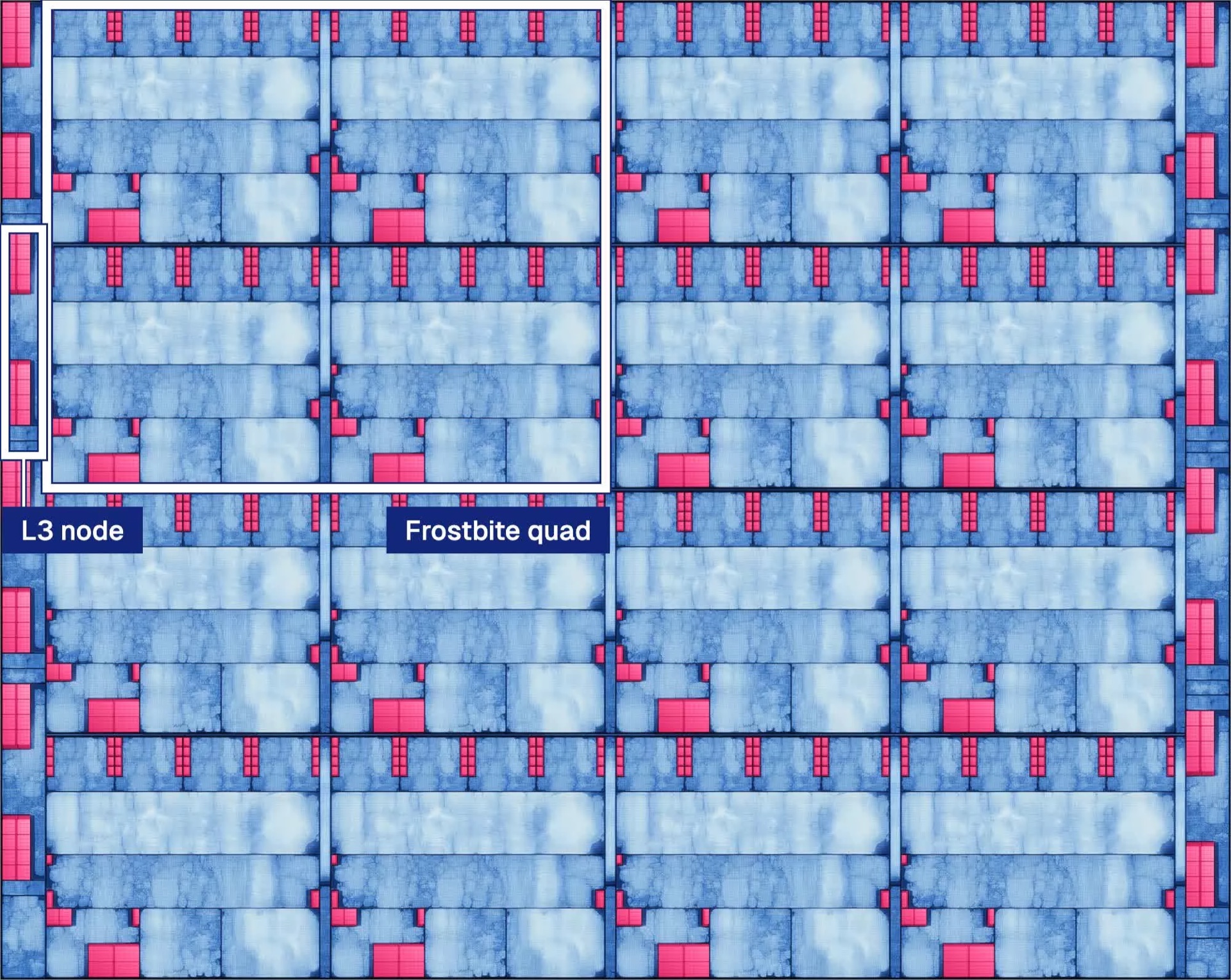
To measure the results, Architect Labs compared a cluster of four Frostbite tiles against a regular CPU core. On average, the AI-designed chip was 4.59 times as efficient. That figure leans heavily on the ten programs the agents used to optimize the architecture, though.
On those familiar tasks, Frostbite led by 6.02x. On the 15 programs the agents never saw until the final test, the lead shrank to 3.83x. That number is a better indicator of how the architecture handles unfamiliar code.
The rival core is a fairly modest one, too. Architect Labs won't name it for legal reasons, but says it's a simple in-order design. Similar cores are used in mobile chips for light background tasks.
There are other limitations. Frostbite exists only in simulation for now, and not a single physical sample has been fabricated. All power figures come from models rather than measurements on real silicon.
There's no compatibility with existing software either. Programs written for x86 and Arm won't run on Frostbite. Code for the new chip is written in Vine, a Rust-like language built by Cambridge startup Tendrils Compute.
That sets Architect Labs' work apart from other experiments in AI chip design. Earlier in 2026, an AI agent from startup Verkor.io designed a RISC-V CPU in just 12 hours. That agent, however, relied on an existing instruction set that already has software.
Next up is an open playground hosted on an FPGA. Anyone will be able to run their own programs on Frostbite there and check the claimed performance in practice.
- NVIDIA board reinstates Jensen Huang as CEO 11 days after his resignation
- Creator of Task Manager is training an AI to beat one of the most punishing arcade games ever made
- Krafton CEO used ChatGPT to plot the Unknown Worlds takeover, court documents reveal