Claude Fable 5.2 created a 97 KB underwater world that runs at 180 FPS without a game engine

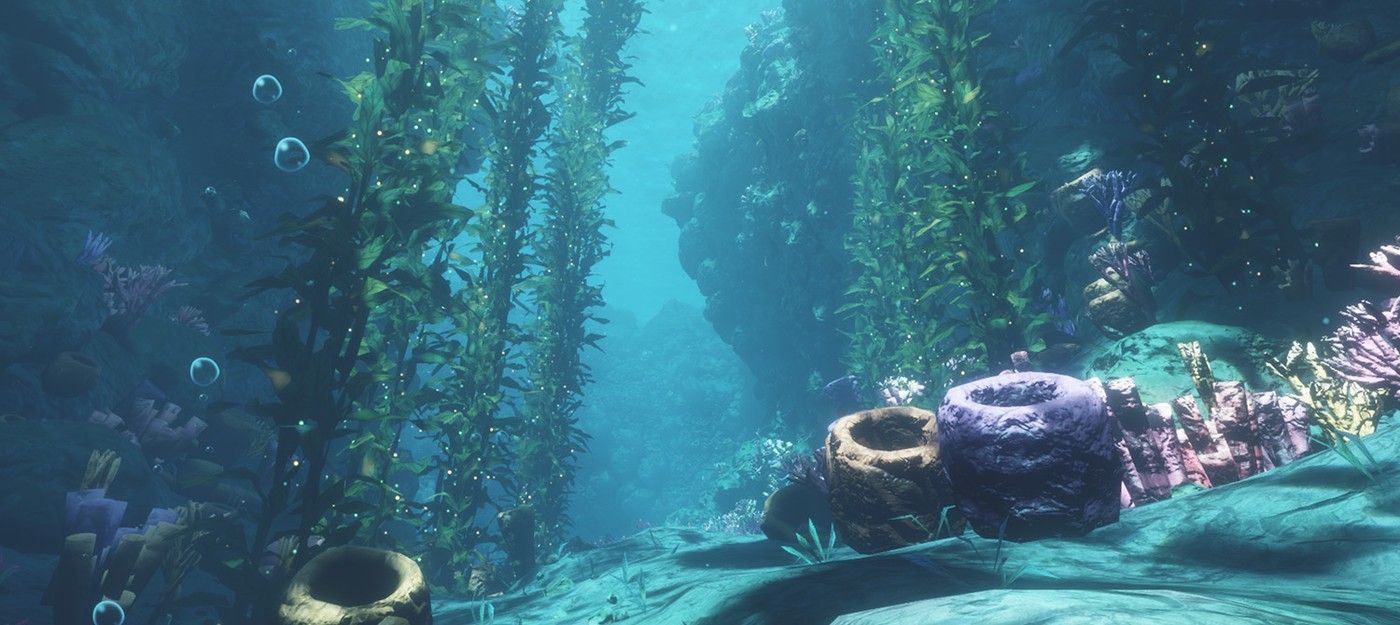
Anthropic Claude Fable 5.2 has once again shown what it can do when it comes to coding. The model generated an interactive underwater world that fits entirely inside a single 97 KB HTML file. No game engine, textures, 3D models, or external assets were needed.
The demo, called Abyssal Garden, was posted on Reddit by a developer who goes by Noniv. He worked through Claude Code, Anthropic's agentic coding tool. The result is a scene with dense kelp forests, sunken ships, manta rays, schools of fish, and atmospheric lighting.
It all runs right in the browser via WebGPU. This graphics API gives web pages access to GPU power that WebGL never offered. According to the developer, the demo hits around 180 FPS at 1440p on a GeForce RTX 5070 Ti.
The tiny size comes down to procedural generation. The file contains no textures, polygon meshes, or audio recordings – just instructions that build all of the content at launch. Based on the GitHub repository, Claude generated:
WGSL shaders, the shading language for WebGPU
A seabed "sculpted" by the GPU
Around two million kelp leaves and plants
Tens of thousands of rocks
Thousands of underwater creatures and decorative objects
The scene also features sunbeams piercing the water column and animated caustics – patterns of light on the seafloor created when light refracts through a rippling surface. Volumetric light rays, particles suspended in the water, and an ambient soundtrack synthesized in real time through the Web Audio API round out the picture.
Noniv says the first version came from one detailed prompt for Claude Code. In it, he set requirements for visual quality, procedural generation, and stable frame pacing – an even delivery of frames. The result had to fit in a self-contained HTML file, and popular browser 3D libraries Three.js and Babylon.js were explicitly banned.
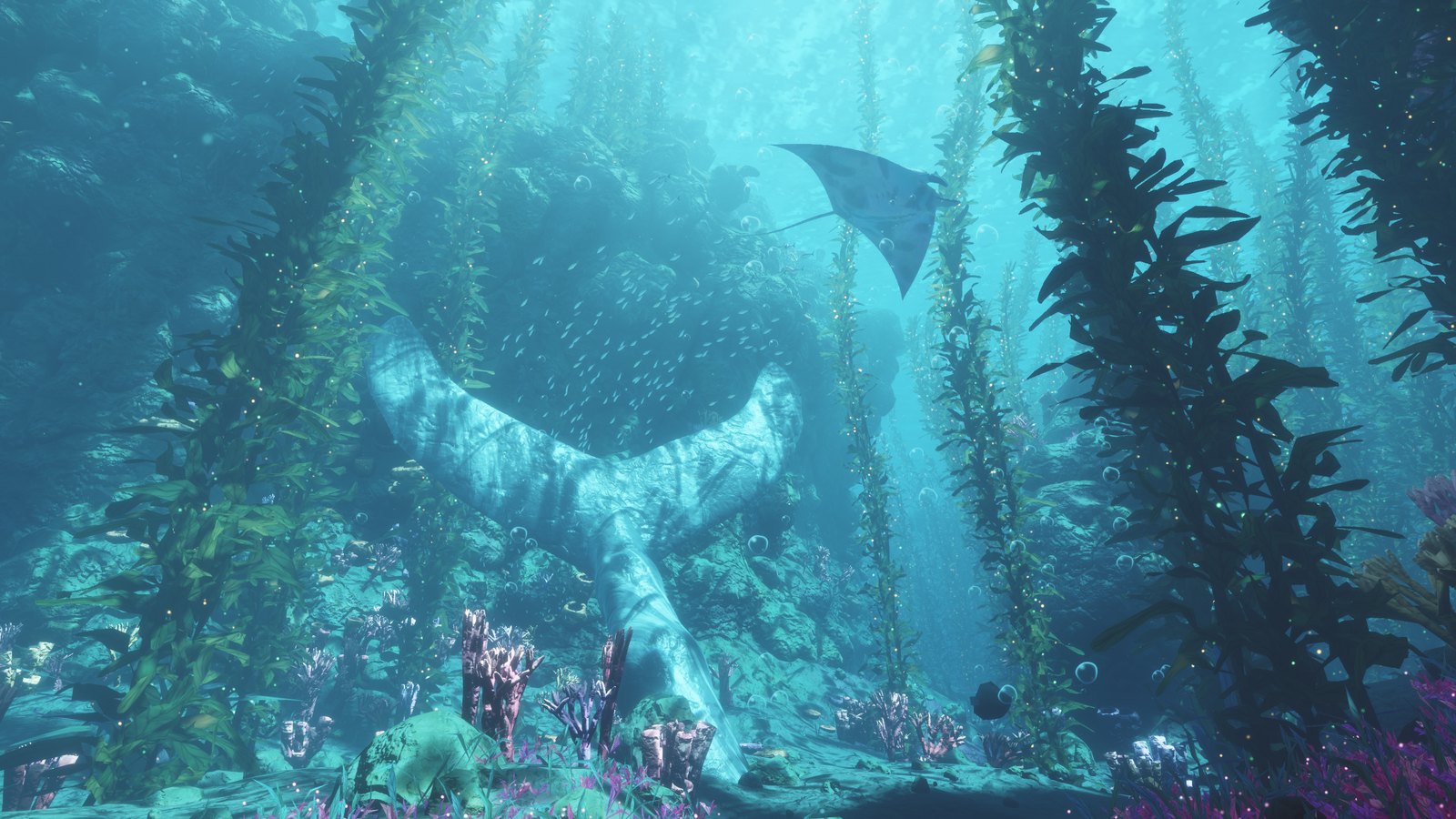
The prompt also described a self-check procedure. A separate AI subagent looked at screenshots of the rendered scene and hunted for visual defects. At the same time, GPU timing measurements evaluated performance during a preset 60-second camera fly-through.
It didn't all come together in one try, though. With follow-up prompts, the developer added collision handling, a start menu, and graphics settings. By his estimate, actual Claude working time came to two to three hours, but subscription limits stretched the process out to about three days.
Nobody has independently verified the claimed performance yet. For weaker systems, there are Low, Medium, and High detail presets. The developer says even a budget Samsung Galaxy A16 smartphone manages about 20 FPS on low settings at a reduced resolution.
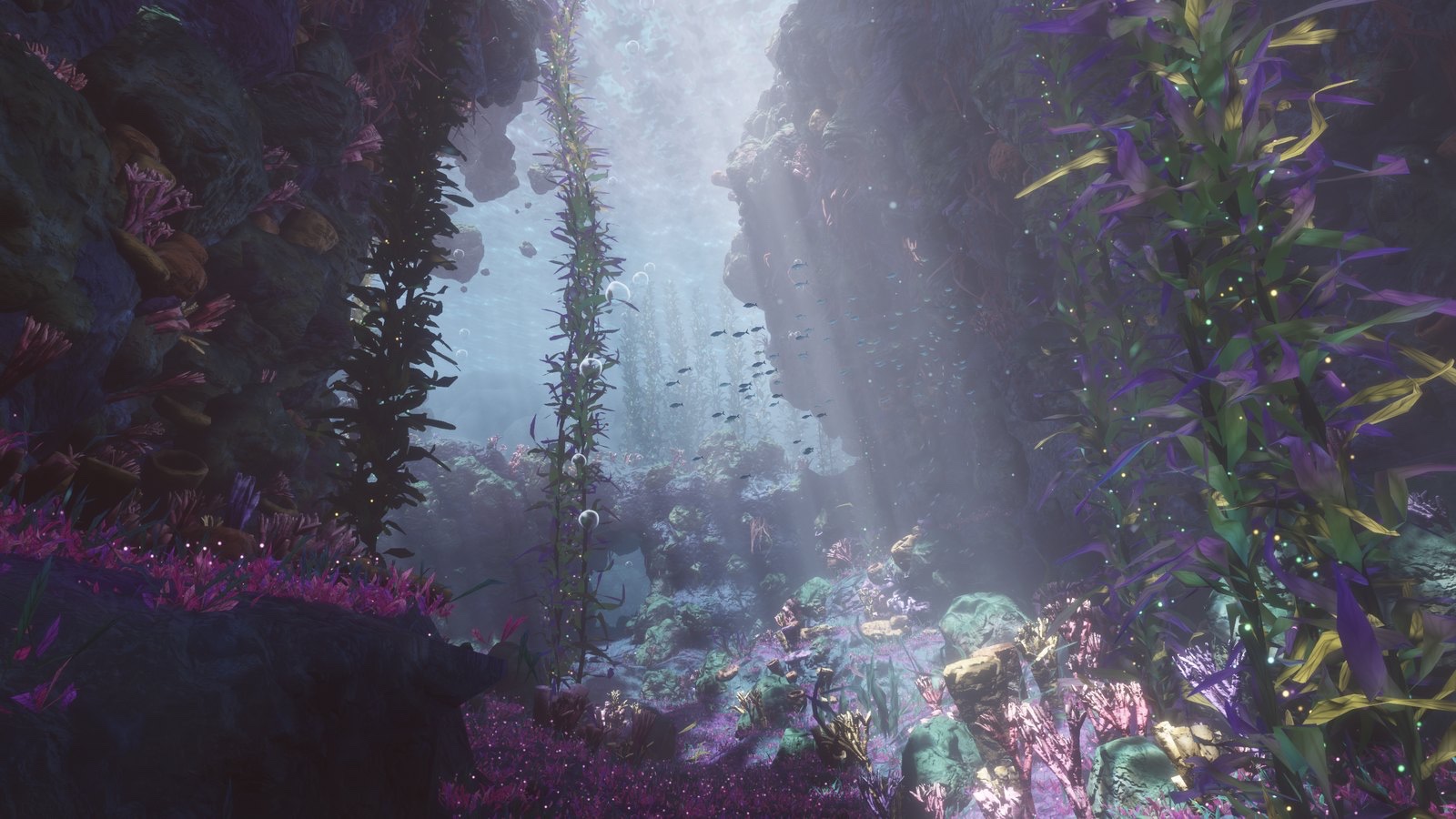
Abyssal Garden can be launched right in the browser, preferably Chrome or Edge with WebGPU support. Movement uses WASD and the mouse, with separate keys for swimming up and diving down. The source code is open under the MIT license – it can be freely used, modified, and distributed, including for commercial purposes.
On macOS, testing in Chrome ran into problems – mouse controls didn't work (possibly because of extensions). In Safari, it works without issues.
Claude Fable 5.2 also recently took part in a bigger experiment. Working autonomously, the model built a Gears of War: E-Day-style shooter on Unreal Engine 5 from a three-line prompt, and the compute cost reportedly reached $15,000.
Abyssal Garden remains a graphics demo rather than a full game. Procedural rendering is hardly new to the industry either – demoscene members have spent decades squeezing entire 3D worlds into 64-kilobyte intros. The difference here is that a neural network wrote the code from a text description.
- Claude solves problems better than candidates, and an Anthropic manager gave up coding interviews
- Claude stopped helping with reverse engineering and game cloning
- Japanese 3D artist used two AI models to create a room in Unreal Engine 5 without ever opening Blender