Insider calculates that Remedy needs to sell 2.5 million copies of Control Resonant to remain independent

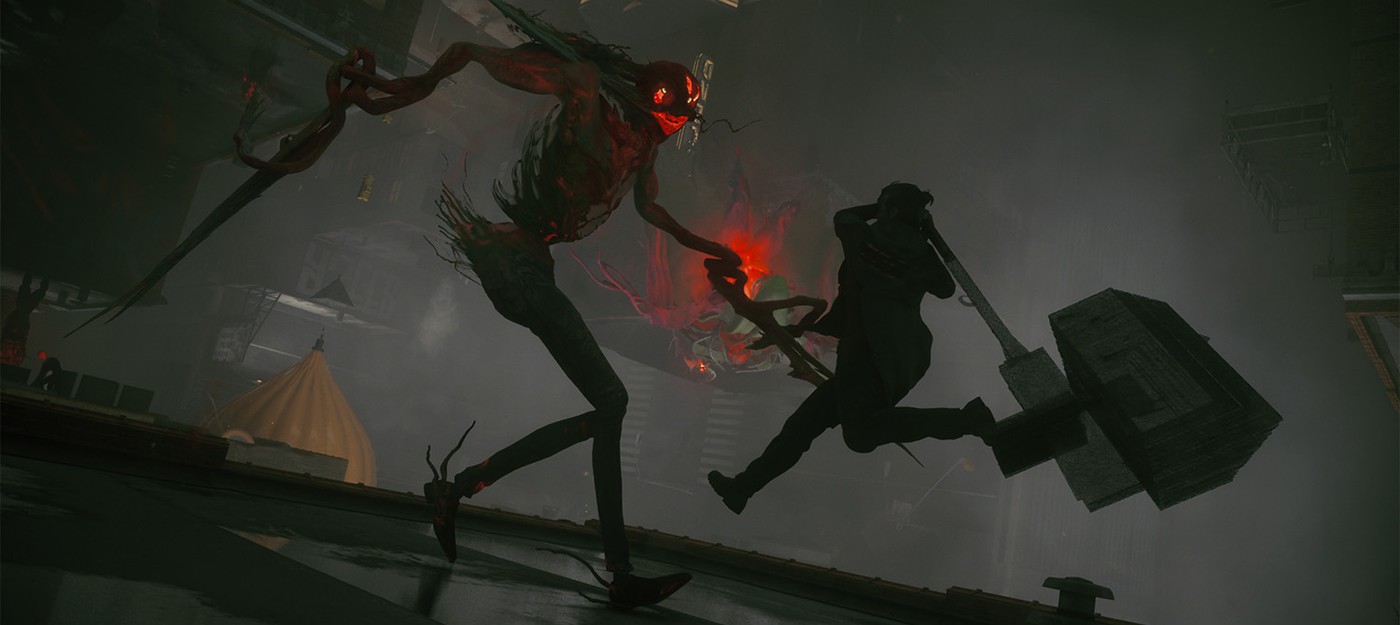
Independence in the games industry sounds proud, but in practice it often means every release becomes a bet on the whole company. That feels especially true when the fate of one of Europe's most distinctive studios depends on whether two and a half million people buy its new game.
That is roughly how many copies Control Resonant needs to sell over two years for Remedy to stay comfortably afloat, according to one estimate.
The calculation comes from a player familiar with the financial side of the industry, and it is based on the Finnish studio's official reports. At the end of the first half, Remedy had €29.6M in cash and liquid investments, with net cash of just €11.8M. Half-year revenue reached €23.3M, with EBITDA of a modest €0.5M.
There is also a €15.6M convertible loan from Tencent, arranged in September 2024, and between releases the studio burns roughly €10–12M a year. By this estimate, around €20M was left in the accounts at the launch of Control Resonant, and that is before marketing ramps up in the third quarter.
Annapurna funds half of development, but Remedy's own contribution is hefty too. Capitalized development costs came to €25.1M, about €7.5M of the Control rights bought from Digital Bros is allocated to the new game, and another roughly €15M, according to Inderes analysts, will go toward marketing. At an average price of €55, about €35 per copy remains after VAT and platform fees. Remedy gets half of that until Annapurna recoups its investment (around 1.43M copies), then presumably about 65%. Hence the scenarios:
1M copies would bring the studio only about €17M, which means write-downs and layoffs along the lines of FBC: Firebreak
1.8M would cover the capitalized costs, and Remedy could carry on as it is
2.4M would mean full breakeven, marketing included
3M would let the studio fund its next game on its own
The model actually looks conservative, since Remedy itself has named 3–4M copies over three to five years as the bar for a 100% return on investment. The main difference from Alan Wake 2 is how the risk is split.
Epic paid for the sequel in full, so the studio risked nothing. Even so, sales of 1.8M copies matched the plan, according to communications chief Thomas Puha, but brought no profit because of overspending on development and marketing. Firebreak, on the other hand, resulted in a €14.9M impairment, a €16.4M operating loss, and the departure of studio head Tero Virtala.
Still, there are plenty of reasons for optimism. Remedy games traditionally sell for a long time, the marketing for the new release is noticeably bigger than it was for Alan Wake 2, and many players are working through the studio's whole connected universe before buying.
Remedy spent years building a shared universe for its games, and now that universe has to pay for Remedy itself.