Josh Sawyer explained that gamers often misunderstand game mechanics, and this needs to be taken into account during development

If you've played XCOM, you know the feeling: the screen shows a 95% chance to hit, you take the shot, and... miss. Statistics work like that sometimes. Josh Sawyer, the legendary RPG director behind Fallout: New Vegas and Pillars of Eternity, wishes players understood that. Or at least, he wishes he'd been more cynical about player behavior when designing his games.
The crux of the issue is that players see a 95% chance of success and are appalled when the random number generator doesn't land in their favor. Conspiracy theories have long claimed that games like XCOM regularly cheat. In reality, these games do cheat – just in the player's favor.
Many people don't understand probability very well and many of them are resistant to having it explained to them. This leads some designers to creating mechanics that work like the player's instinctive (read: fucking wrong) understanding of probability, further confusing everyone.
Baldur's Gate 3 offers an elegant fix. It tackles poor statistical awareness the same way tabletop Dungeons & Dragons does: by showing the dice roll. A 1 on a virtual d20, meaning an automatic failure, feels far more reasonable than missing a 95% shot, even though both have a 5% chance of happening.
Designers run into this kind of problem all the time. Players complain about something that isn't true but feels true. In Wolfenstein: Enemy Territory, for example, players were convinced that one of the guns was overpowered. The developers solved the "problem" by nerfing neither damage nor accuracy, but how loud and powerful the gunshot sounded, and the complaints quickly stopped.
RPGs are more complicated, since players make long-term decisions that drain resources or change the outcome of the story. That often pushes them toward the path of least consequence, even if it means reloading saves over and over and wasting their own time. "I do just about everything I can to not encourage save-scumming," Sawyer said.
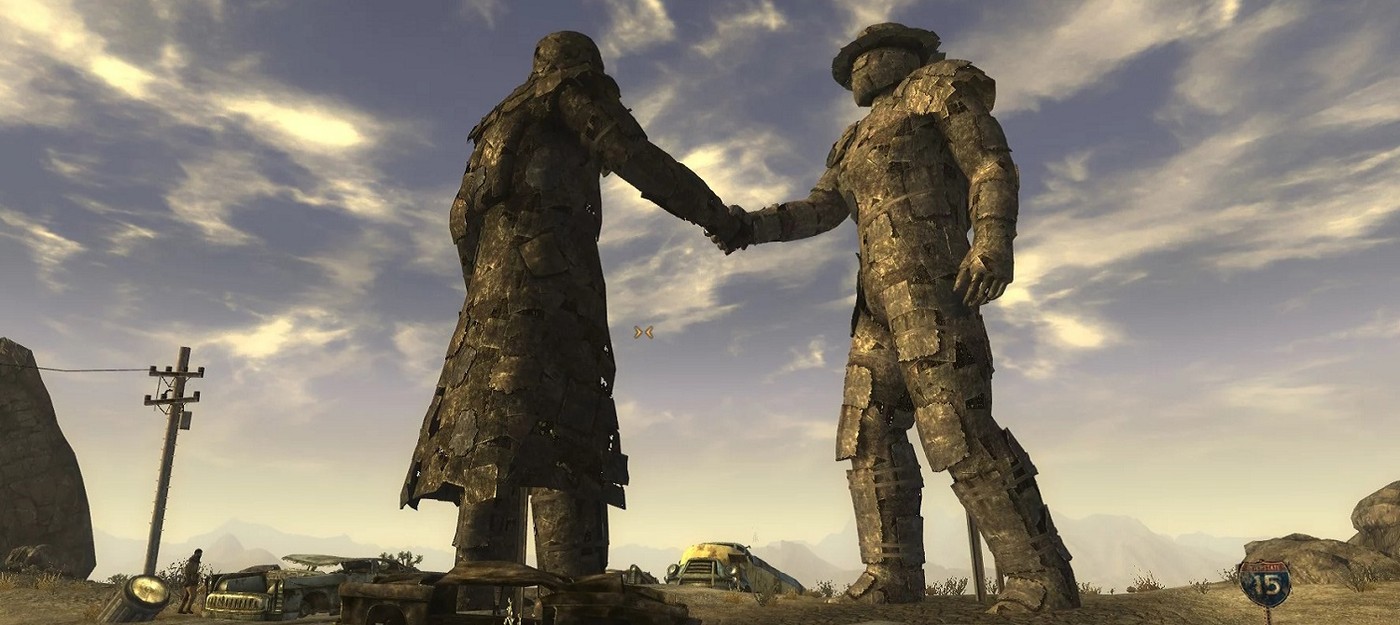
Fallout: New Vegas is a good example. The game doesn't let you shoot open locks, so players have to invest in a lockpicking skill to get at the contents. Many RPGs of that era let you blast open locked containers at the risk of destroying the items inside, but plenty of players would rather save scum for the loot than spend skill points on lockpicking.
A lot of my job involves thinking about what players are going to do when presented with a mechanic or a choice. Even if players wouldn't consciously articulate why they would blast locks with a shotgun rather than invest in Lockpicking (admittedly a skill tax), they would veer toward that behavior. It requires being a little bit cynical about player psychology but I think if you don't do that you wind up with very frustrated players.
Of Pillars of Eternity, Sawyer said: "I wish I had been more cynical about player behavior." In that game, health and ability uses are restored by resting. You can rest at camp, which consumes a unit of camping supplies, or return to town and stay at an inn for a nominal amount of gold.
Many players' aversion to the idea of losing a battle is greater than their aversion to marching 10 minutes out of a dungeon to buy more healing supplies, so they freely dump Per Rest abilities in every fight, rest after every fight, and then curse the designers for making them go back to town.
Sawyer also noted that the same principle applies to narrative choices.
Sometimes designers will create a quest where players can choose options a) b) or c) and it's our job to ask "Why would anyone want to pick c?" Sometimes it's okay for an option to be there because it would feel weird if it weren't there. But in most cases we're trying to create some sort of thought process in the player's mind. We want the player to weigh their own values against what they're being asked to do. The decision doesn't need to be torturous, but it should take a bit of reflection, I think.
Earlier this year, Bloomberg reported that Sawyer was leading a new Fallout project at Obsidian. A couple of weeks ago, Bethesda confirmed that Obsidian is indeed making a new Fallout game. Whether Sawyer is heading up the project hasn't been officially confirmed.