Saber Interactive's director knows how to avoid layoffs – you need to give up expensive American cities and work on 5-6 small games simultaneously with AAA titles

Layoffs have become a constant fixture in gaming industry news. Even if the pace of cuts has slowed down somewhat in 2026, their severity hasn't lessened. In July, Microsoft made 1600 staff redundant as part of a restructuring push and warned investors it would let go of another 1600 people over the next 12 months.
These cuts come alongside serious economic pressure on the industry. Rising debt rates, a cost of living crisis, and a memory shortage are making every aspect of making and playing games pricier. That's pushing studio heads to rethink their plans, especially with games taking longer to make, costing more, and facing far more competition than just a couple of years ago.
Against that backdrop, Saber Interactive chief creative officer Tim Willits shared his thoughts on how he'd run things if he were in charge of a big studio. Saber Interactive has been doing well at a time when plenty of other developers and publishers are struggling.
According to Willits, the core problem with traditional large studios comes down to how they handle staffing.
The number one mistake that traditional legacy developers do is that they have two hundred employees in Texas, California, New York, whatever. Each one of those developers is expensive. You have 200 people that you're paying $15,000 per person per month, which gets you way over two million. They're all working on a game and you do not need 200 people before you have a vertical slice, so you're burning money.
Willits admits the full production phase is genuinely great – "You have 200 of the most highly skilled, amazing people ever and you make an amazing game." The trouble starts after launch, when a studio has to immediately shift those same 200 people onto the next massive project, right back to burning millions of dollars a month.
The industry has already seen cases where teams get let go right before a game ships or immediately after release, with no core staff or accumulated knowledge retained. Every new title under that model starts nearly from scratch.
Willits believes the fix is diversifying a studio workload between big releases.
If you are a studio that has made mega hits, but it takes you five years to make a mega hit, it is totally okay if you do some work for hire. It doesn't make your mega hit AAA game any worse. If you have five or six things that help keep the lights on, it's totally okay. I would love to see one of these super studios do some fun side projects. There's nothing wrong with that.
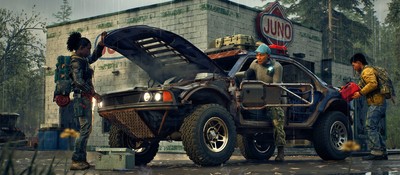
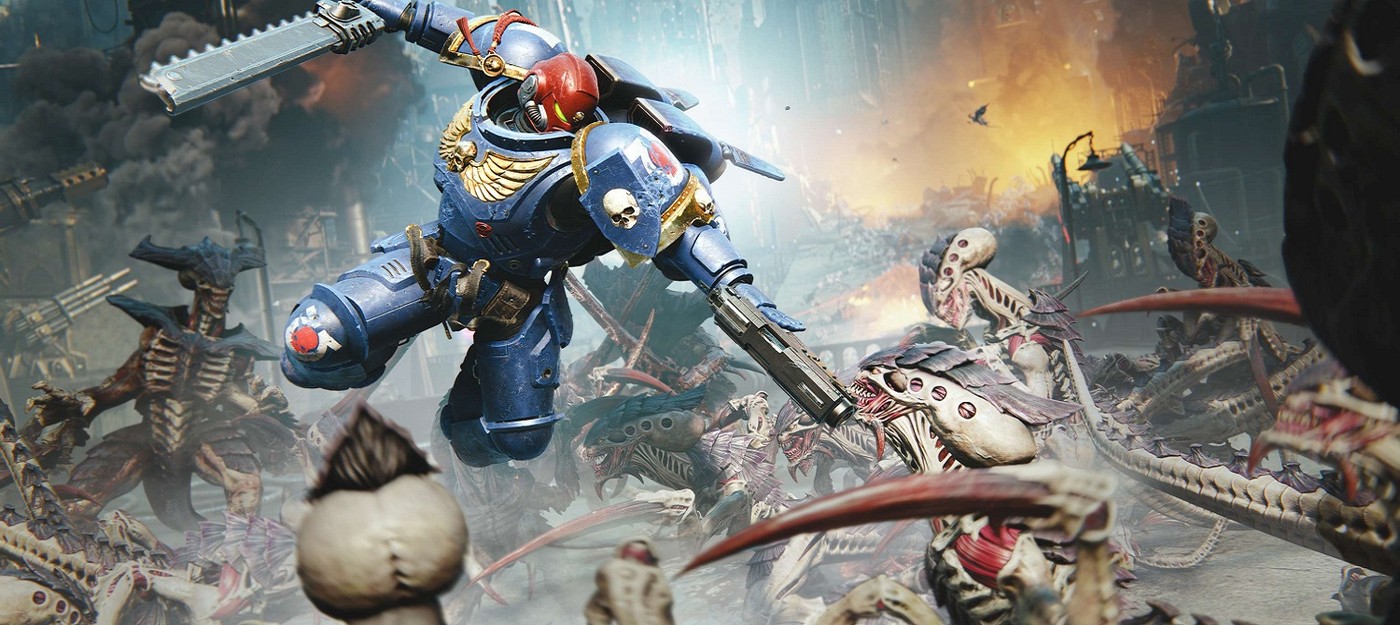
He pointed to Saber Interactive early history, when the founders "had to hustle and take work from anywhere." Today, alongside big licensed titles like Space Marine 2, John Carpenter's Toxic Commando, and Turok, plus original games in the Snowrunner series, the studio still takes on remaster work. One team at Saber is currently updating the original Hitman.
Our remasters are very reliable. We get paid, IOI makes money.
When it comes to original work, Saber Interactive tries to keep teams small for as long as possible.
We have teams around the world. We have multiple games that we start at all these studios, even with a team of five folks. We don't put an entire team in a project until after the vertical slice.
Once a project is ready to scale up, Saber often brings in a partner who can co-fund development or take on part of the work under contract. That's how Road Kings, an upcoming American Truck Simulator-style haulage sim published by Focus Interactive, came together.
You need to spread yourself out. Have reliable income.
Coming back to the topic of large 200-person studios, Willits noted that Steam is full of great small games that sell for five bucks and were made by teams of ten people.
Why can't a mega studio from Santa Monica make six of those? One could be a hit.
Asked whether there's any scale of game Saber would consider too small to bother with, Willits didn't hesitate.
No. Look at Snowrunner. Spintires is one guy. Literally one guy. We built a franchise around one guy's idea.
He also shared his personal take on laid off staff from big studios, many of whom he knows personally.
I truly believe that if you look at some of the people that have lost their jobs in big studios in America, because I know a lot of them personally – I hired some of them – if you were to take all those people and say, "Okay, you guys are in charge of making five games that cost $5 and you gotta get it done in three months," one or two of those games would be hits.
Willits offered another path for laid off developers who want to keep working on big projects. A creative director, animators, and programmers with experience and talent, he says, could team up, come up with an idea, then find a partner studio to actually work together with rather than just handing work off as outsourcing.
South America is huge now and the same time zone. Traditional North American and even British publishers are afraid of certain parts of the world. They're afraid of South America. They're like "We don't speak Spanish or Portuguese." Get over that and stop that fear.
Developers in Latin America have grown tired of being seen purely as outsourcing talent. A shift toward co-development or split teams could change that perception and bring more attention to the region.
For a company with such an outspoken CEO, Saber Interactive operates with surprisingly little ego, taking on projects of any scale with partners from anywhere in the world. Plenty of studios start out doing outsourcing or remasters to keep the lights on, only to abandon that work once they hit a certain size. An industry where studios hedge themselves with contract work and smaller projects while prepping the next big release might end up more resilient to economic shocks.
- The Last of Us game director stated that AAA games have become "boring" and cited God of War Laufey as an example
- The Witcher 3 Songs of the Past scriptwriter wrote her thesis on Hearts of Stone – is the story in good hands?
- Bethesda veteran with 20 years of experience and The Elder Scrolls lore expert has been unable to find a job for months