Gamers nostalgically recall the days when you could buy a PS4 with Marvel's Spider-Man for $200

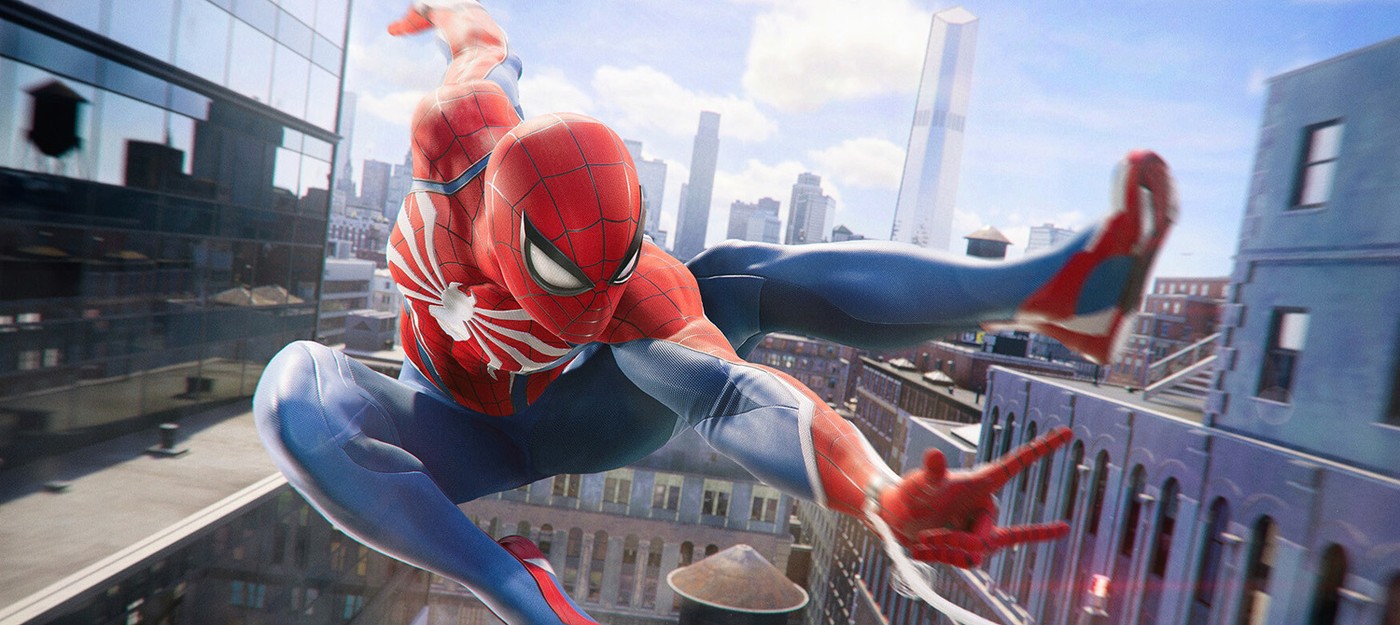
Buying a console at the tail end of a generation used to be a near-guaranteed win. Wait for the hardware to get cheaper and the game library to fill out, then grab everything for the price of a mid-range graphics card.
Today, that strategy sounds about as realistic as gas at $1 a gallon.
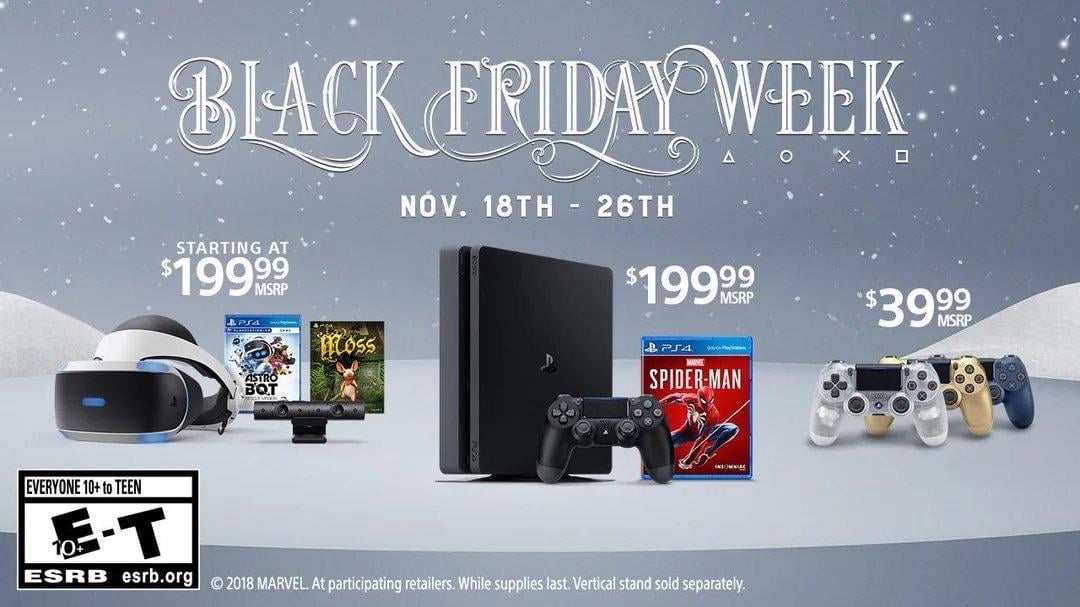
A screenshot of Sony's 2018 Black Friday ad resurfaced on Reddit, and the picture left plenty of people feeling nostalgic and a little bummed out.
Back then, a 1 TB PS4 Slim bundled with the brand-new Marvel's Spider-Man from Insomniac Games cost $199.99. A DualShock 4 controller went for $39.99. A PS VR headset with Astro Bot Rescue Mission and Moss, arguably the two best games on the platform, ran the same $200.
People who traded in an old console at GameStop got an even better deal. The store offered $165–$180 for a launch-model PS4, trade bonus included. In the end, a new console with twice the storage, a spare controller, and a physical copy of Marvel's Spider-Man cost just $20–$50.
One former GameStop employee recalled recommending that bundle to every customer who walked in.
The deal did come with some context. It was a holiday promotion, and the regular price of the PS4 Slim sat at $299.99. The console launched in 2013 at $399.99 and had gone through two official price cuts by 2018. Adjusted for inflation, $200 in 2018 equals roughly $267 today.
One commenter calculated that a comparable PS5 bundle with a controller and a game, even with a one-third discount, would come to about $430.
The bigger issue isn't the raw numbers but the fact that the current generation is heading in the opposite direction. PS5 sits at the same point in its life cycle as PS4 did in 2018, yet Sony is raising prices instead of lowering them. In 2025, the console price in the US went up by $50: the base model now costs $549.99, while PS5 Pro climbed to $749.99.
Over five years, manufacturing used to get cheaper as components and technology matured. This generation never got that break. First came the pandemic chip shortage, then tariffs, and then the AI boom, with data centers buying up memory and semiconductors in such volumes that electronics prices crept up worldwide.
Even a $40 controller now feels like an artifact from another era, since DualSense launched at $69.99.