Futurologist Ray Kurzweil joins a startup that wants to replace brain implants with a nasal spray containing nanoparticles

Ray Kurzweil, one of the most well known futurists and AI pioneers, has joined neurotechnology startup Subsense. The company is developing a brain-computer interface that skips surgery entirely.
Kurzweil's career kicked off back in the 1960s. He helped pioneer speech synthesis, voice recognition systems and optical character recognition, and he's widely known for his theory of technological singularity.
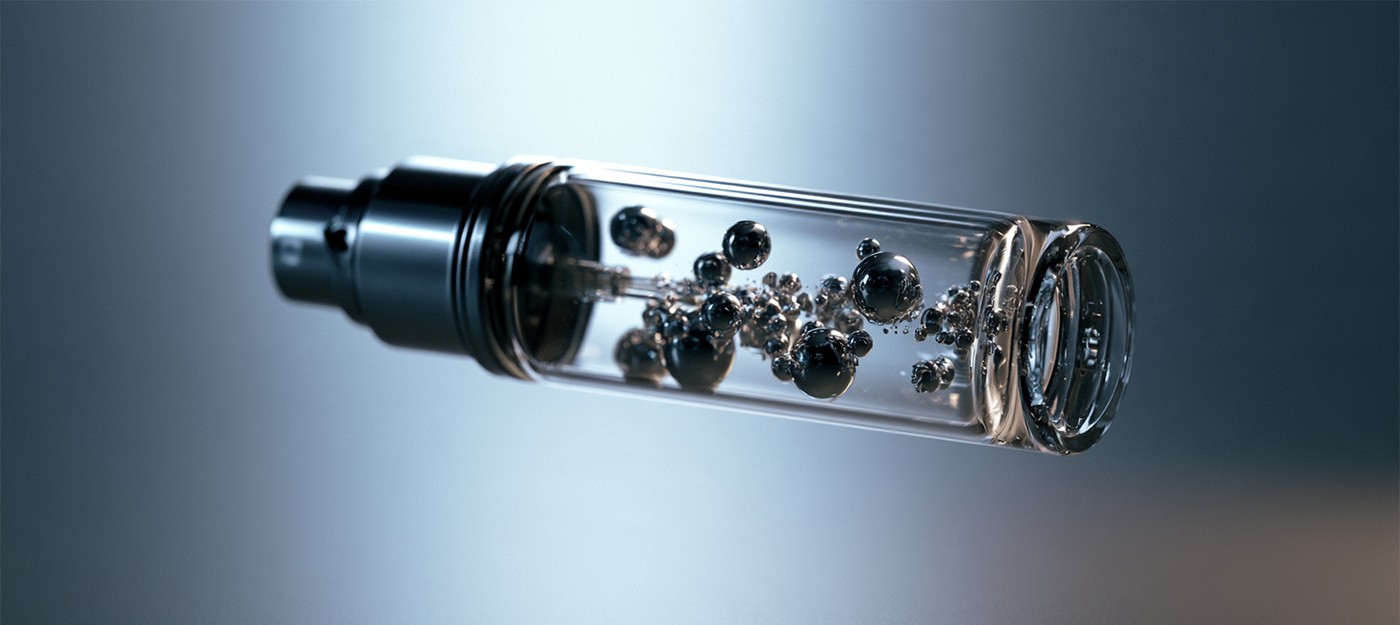
Subsense is trying to offer an alternative to Elon Musk's Neuralink approach, where electrodes get implanted directly into the brain's cortex. The key difference lies in the delivery method – instead of surgery, the startup is banking on a regular nasal spray.
According to the developers' plan, charged nanoparticles get inhaled through the nose and travel to the brain via the olfactory nerve, the one responsible for smell. This path lets them bypass the blood-brain barrier, which normally blocks foreign substances from entering through the bloodstream.
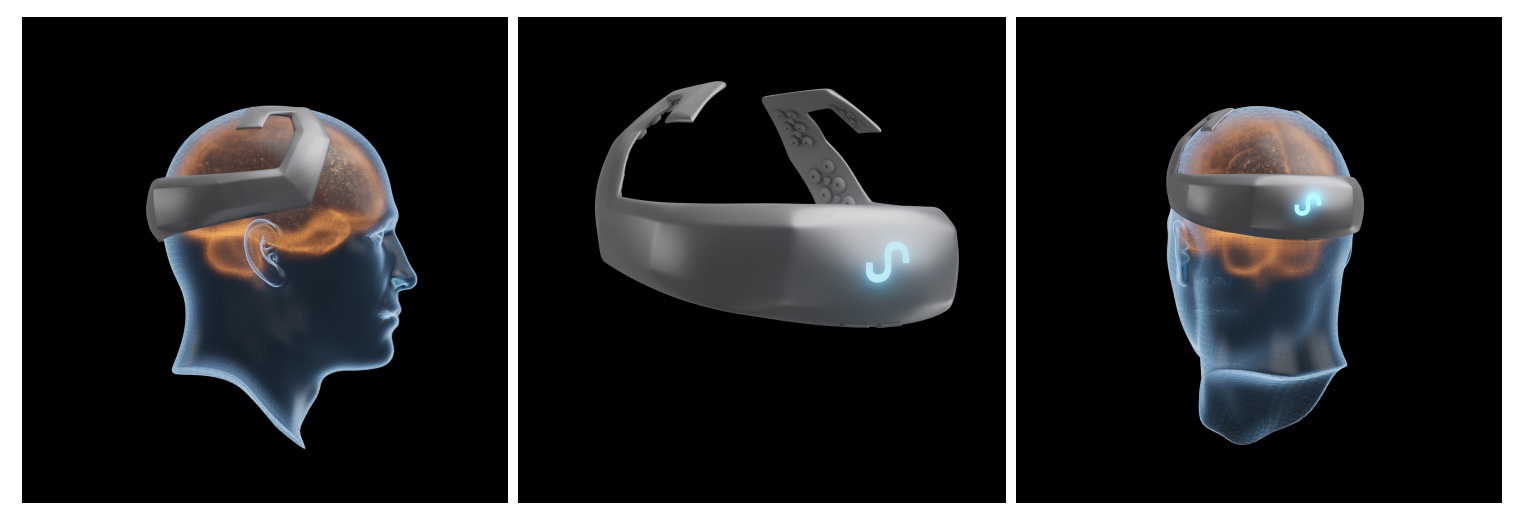
Once positioned near neurons, the particles respond to magnetic fields generated by an external headset. This way, neural activity can be stimulated and read without opening the skull or relying on a permanent implant.
Speaking with The Independent, Kurzweil explained why he decided to join the team.
For years, I have believed that the convergence of AI, nanotechnology and neuroscience could fundamentally change how humans interact with technology.
Subsense is pursuing an approach that brings those fields together in a particularly compelling way. With the potential to move brain-computer interfaces beyond today's surgical constraints and, over time, toward much broader applications.
The startup has raised $27 million to develop its technology. Experiments are currently being run on mice, and human trials are still a ways off.
The company's main goal is tackling neurological diseases, including ALS and Parkinson's. Further down the road, they're eyeing mass consumer applications for interfaces like these.
- Google mapped the fruit fly's brain with 166,000 neurons, and engineers immediately ran Doom on it