Analysts link Jensen Huang's departure from Nvidia to smuggling of 1.5 GW of AI chips into China

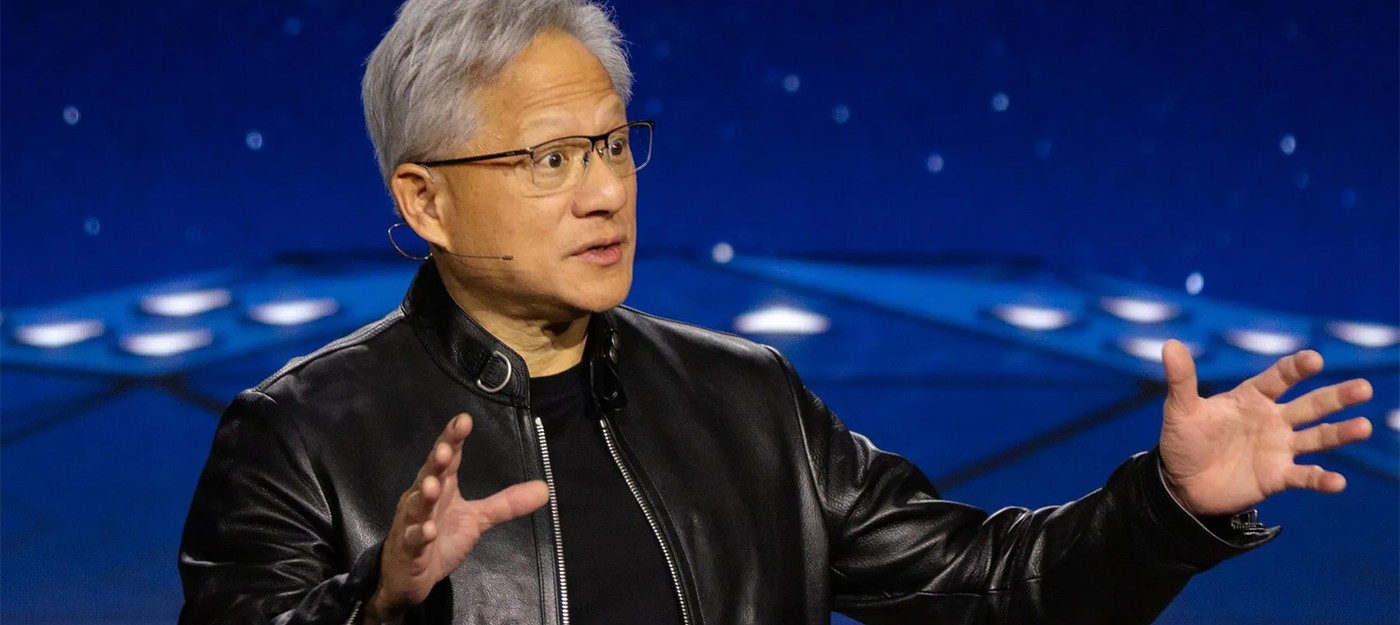
Jensen Huang's sudden resignation as Nvidia CEO may have been driven by more than the scandal over his extramarital relationships.
Semiconductor research firm SemiAnalysis links the departure of the company co-founder to large-scale smuggling of AI accelerators into China. Nvidia CFO Colette Kress is serving as interim CEO.
In its latest newsletter, SemiAnalysis claims that more than 1.5 GW worth of Nvidia hardware subject to U.S. export controls has reached China. The estimate is based on the firm's own Accelerator Model, which tracks AI accelerator production and end recipients. According to the analysts, the U.S. Department of Commerce has reached similar conclusions about the scale of unauthorized shipments.
The figure excludes processors Nvidia developed specifically to comply with U.S. restrictions, such as the H20 and H800. Only hardware banned from export is counted. SemiAnalysis does not disclose the exact number of accelerators shipped or how they split across Nvidia product generations.
The report does not explain how chip counts were converted to gigawatts. Most likely, the analysts multiplied the rated power of a single accelerator by the total number of units. If all of the shipments were H200 SXM parts rated for up to 700W, China would have received about 2.142 million accelerators.
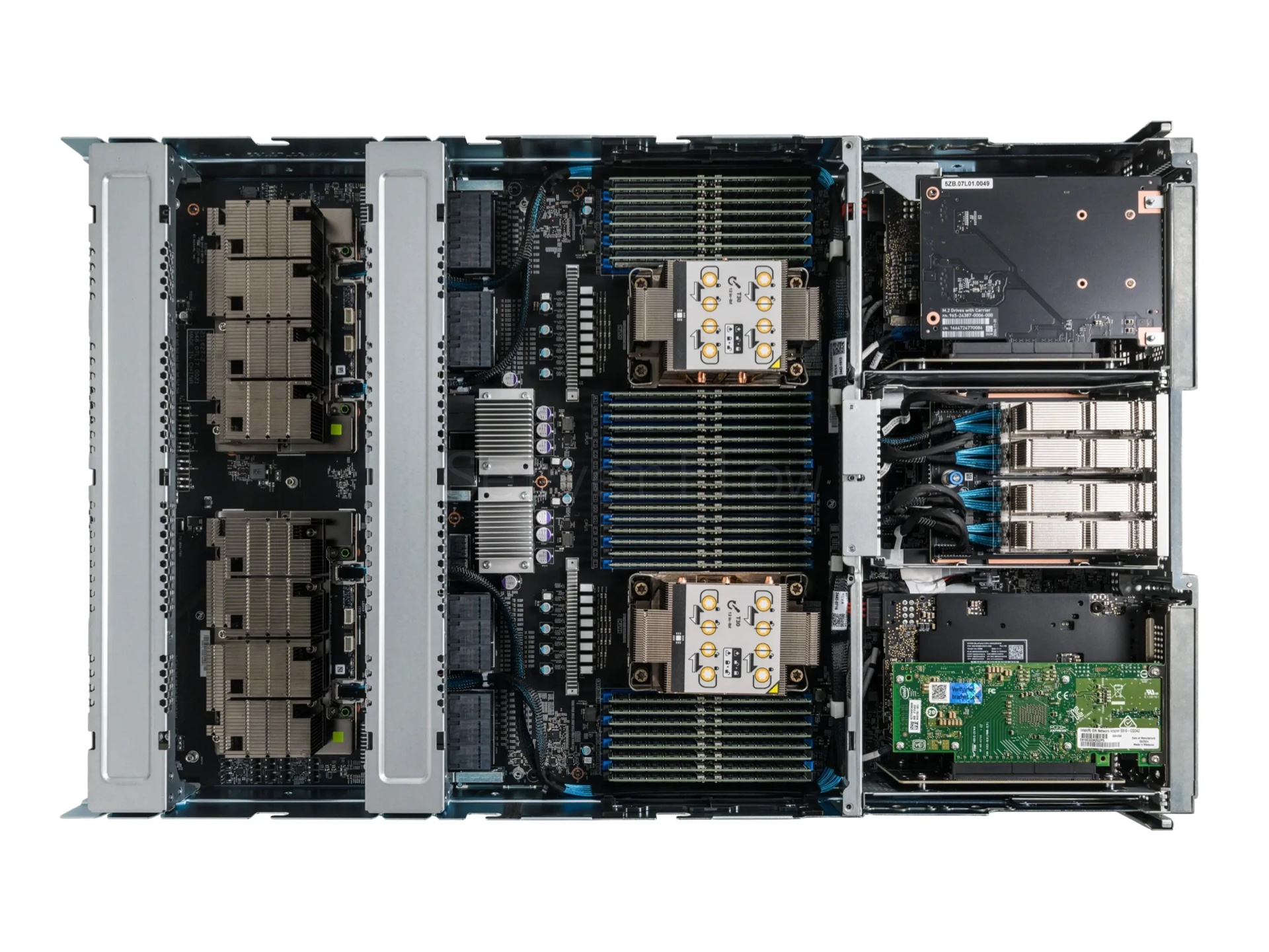
If they were all B200 SXM parts rated for up to 1,000W, the number drops to roughly 1.5 million units. A mixed shipment would land somewhere between the two, depending on the share of each model. For comparison, xAI's Colossus One supercomputer runs on 220–230,000 Hopper H100 and H200 accelerators, while Colossus 2 is planned to have 1.2 million Blackwell B200 and B300 chips.
That puts the banned Nvidia hardware in China on par with xAI's entire current Colossus infrastructure, or even above it. The scale is all the more striking given that modern AI accelerators demand serious power capacity and complex data center infrastructure.
SemiAnalysis does not list every case in which banned accelerators ended up in China. To back up its estimate, the firm points to two high-profile smuggling cases. The first involves Supermicro co-founder Wally Liaw, Taiwan sales executive Steven Chang, and contractor Willy Sun, who were charged in March 2026.
According to the indictment, servers worth about $2.5 billion were sold to a company in Southeast Asia. Equipment worth $510 million was then diverted to China, where Alibaba received it. Prosecutors allege the defendants used substitute servers and moved identification labels onto them to hide the real location of the hardware during audits.
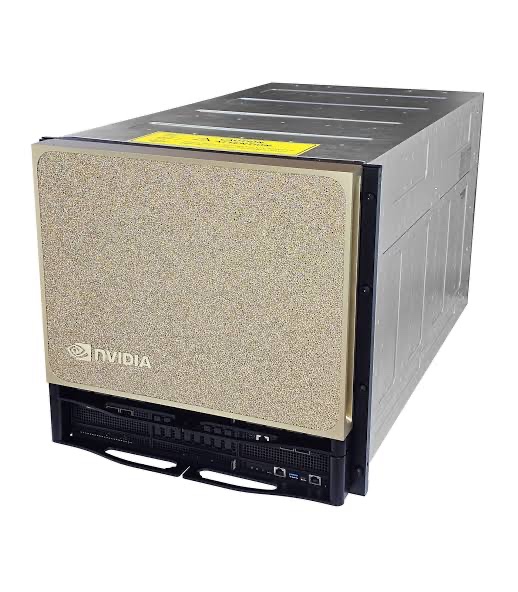
The second case involves nine individuals tied to Nvidia, Albatron, Chief Telecom, Flying Tiger, and Supermicro's Taiwan unit. Authorities accuse the group of arranging the unauthorized export of 130 Nvidia B300-based servers, 74 of which ultimately reached China. The scheme relied on shell companies, forged documents, and Japan listed as the destination country.
Taiwanese investigators stumbled onto the operation by accident during a drug smuggling probe. Both cases are still before the courts.
Against this backdrop, more details keep surfacing about Huang's affair with Alice Huang, an executive at Megaspeed who has been described as an alleged Chinese intelligence asset. One report claims Alice Huang personally helped move $7.5 billion worth of Nvidia AI hardware into China – around 240,000 accelerators, mostly H100 and H200.
SemiAnalysis suggests the scale of the violations may explain why Huang's personal life became a major issue right now. The analysts speculate that some members of the U.S. intelligence community wanted him out because the Nvidia chief opposed tougher limits on China's access to American AI hardware. The report offers no direct evidence that intelligence agencies influenced Nvidia's board or that Huang took part in illegal exports.
The timing also coincides with the push in Congress for the Remote Access Security Act (RASA), which the House of Representatives passed on January 12. The bill extends U.S. export controls to remote access to advanced AI hardware hosted outside China, including data centers in Europe and the Middle East. According to SemiAnalysis, Nvidia and Oracle have actively opposed the proposal.
The analysts believe Huang's exit effectively removes an influential opponent of strict measures and speeds up efforts to cut Chinese companies off from American accelerators in the cloud. SemiAnalysis also warns that blanket restrictions could push Chinese developers toward domestic chips, something Huang has repeatedly cautioned about. Such measures could also undermine international cooperation on AI software and ultimately weaken American tech companies.
By SemiAnalysis estimate, keeping China's access to American accelerators gives the U.S. several advantages. First, it brings in revenue for AMD, Nvidia, and cloud providers. When Chinese companies rent compute at data centers outside China, American authorities can monitor their activity and cut off access if national security concerns arise.
The third argument concerns long-term competition. Reliance on American hardware reduces the incentive for Chinese developers to switch to domestic AI accelerators, which could eventually challenge AMD and Nvidia in international markets.
The analysts also point to the contribution of Chinese specialists to the global software ecosystem. Chinese labs have released open-source tools such as DeepEP, DeepGEMM, and MSA, which improve the efficiency of AI workloads on Nvidia hardware and benefit developers worldwide. American companies, in turn, depend on Chinese engineers, component suppliers, and manufacturers.
A full ban could hurt international cooperation, shrink the flow of open optimizations, and push Chinese companies to build software exclusively for domestic hardware. On the other hand, access to advanced AMD and Nvidia accelerators lets Chinese labs build ever more powerful AI models that can rival leading American ones and create national security risks.
SemiAnalysis acknowledges the need to limit China's access to advanced American accelerators, since they could be used, among other things, to develop weapons of mass destruction. But the analysts argue that restrictions should target the amount and capabilities of hardware available to Chinese entities rather than ban access altogether.
The firm leans toward a model in which Chinese developers rent compute from trusted providers outside China under U.S. oversight. Such an approach, the analysts say, would preserve American technological influence and commercial benefits while limiting China's ability to build advanced AI infrastructure on its own.
- Victorious American Democrats plan to investigate Nvidia's activities as the company's shares fall below their start-of-year level
- Labs will have to be shut down – Nvidia CEO responds to calls from OpenAI and Anthropic to tighten AI regulation
- GPT-6 Astra was trained on one hundred thousand Nvidia video cards – Jensen Huang is ready to allocate 400 thousand video cards for the next model