Samsung TV owner used Claude AI to clear ads and tracking from his TV in 11 hours

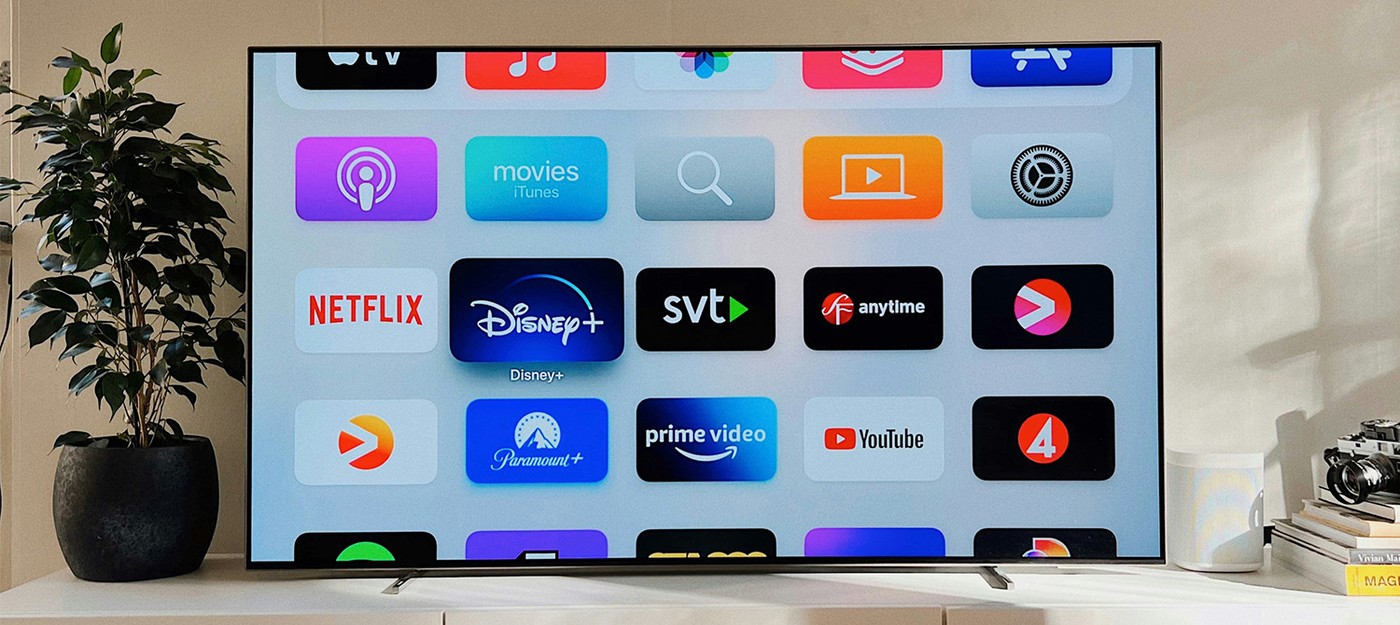
A Samsung TV owner asked Anthropic AI assistant Claude to strip the device of ads, telemetry, and unwanted apps, and got far more than expected. Over 11 hours, the neural network figured out an unfamiliar operating system, came up with a way to "see" the screen through a smartphone camera, and wrote its own Apple TV-style home shell.
Claude handled almost all of the work on its own. The owner, a user going by 0xVic, just sent the prompt and occasionally answered clarifying questions. He later shared the result in a post and published the code as open source.
The idea came from a video in which Claude tidied up an Android TV set. The enthusiast simply copied the same prompt and never mentioned that Samsung runs its own operating system.
The prompt 0xVic sent:
My Android TV is slow and full of ads. Find it on my Wi-Fi network, connect via ADB, and clean up the system: disable manufacturer ads, telemetry, and junk (reversibly, don't delete anything), asking me first about apps and features I might use. Then create and install a fast, minimalist Apple TV-style home screen with a dock of favorite apps and rotating nature wallpapers. Make a backup before any changes, verify every step with screenshots from the TV, and give me a restore script.
Claude quickly worked out that the TV runs Tizen. Samsung develops this operating system in-house, and it has no ADB debugging bridge familiar from Android, so the assistant switched to the TV remote API, which opens up in developer mode.
Enabling that mode is fairly simple. On Samsung TVs, entering the code 12345 in the apps menu is enough, after which a computer on the same local network can connect to the system.
Feedback was still a problem. To check the result of each step, Claude asked the owner to point a webcam at the screen, but he didn't have one.
So the AI improvised. It spun up a small local web server with a page requesting access to a smartphone camera, and instead of making the owner type in the address by hand, generated a QR code with the link. Once scanned, the phone became the "eyes" of Claude, sending a screenshot of the TV every 4 seconds.
The next 30 minutes went to configuring the system. During that time, Claude:
changed the privacy settings
disabled telemetry collection
removed the advertising ID that Samsung assigns to the TV
disabled unneeded and unused apps
rearranged the icons on the home screen
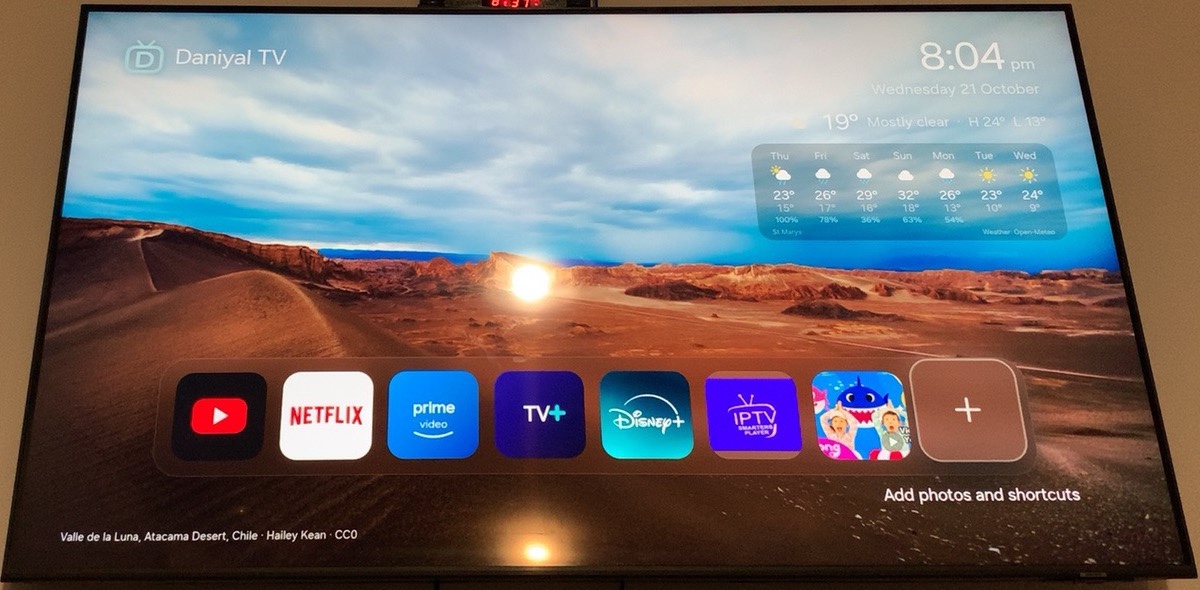
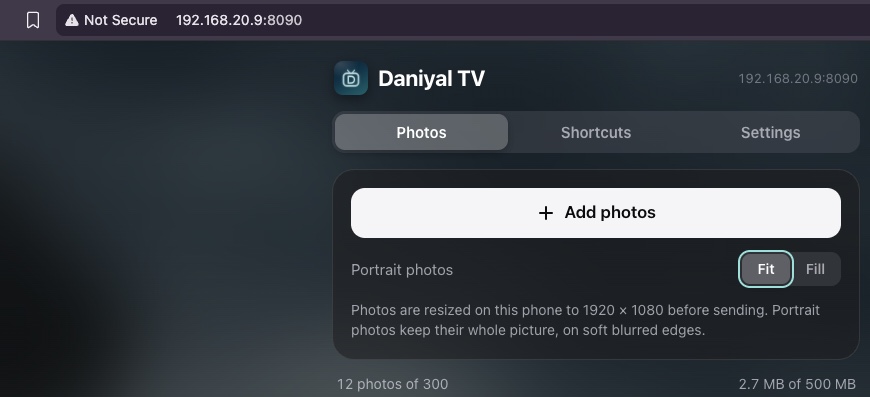
The Apple TV-style shell couldn't be built with standard tools, so Claude wrote a separate app for it called Daniyal TV. Another app followed to manage shortcuts, background images, and settings for the new shell.
The most talked-about moment was a pause in the middle of the job. According to the owner, the AI took an interest in a cat video for some reason and watched it for a while. It was Keyboard Cat, one of the oldest YouTube memes, in which a cat in a blue shirt "plays" a synthesizer.
Later, 0xVic asked Claude which videos it had watched while working. The assistant replied:
I watched Baby Shark four times, rickrolled myself about ten times in my own tests, and watched Keyboard Cat from start to finish. I'd welcome more cat videos.
The fun didn't come cheap. The whole task took 11 hours and burned through the limits of a $100 Claude Max subscription twice, with total usage of about 14 million tokens for reading and 1.5 million tokens for writing.
The code is available on GitHub in the glass-home-samsung-tv repository.
The post inspired other TV owners as well. For Android TV and Google TV, a ready-made solution called cleanyourtv is popular on GitHub – an AI agent only needs the link, after which it finds the instructions itself and walks the owner through setup without irreversible changes.
With its help, users cleaned up TCL and Hisense TVs on Fire TV, while one Google TV Streamer owner got idle RAM usage down to 88 MB and remapped the YouTube button to SmartTube. Another user repeated the trick on a Samsung Freestyle projector running Tizen 6.5, and a Samsung S90C owner used Claude to get into the factory service menu.
The owner of a Sony Bravia 8 II went furthest, giving Claude Code the task of going "all out" and adding anything interesting of its own. Over a day and one very long night, the assistant:
disabled 28 Sony and Google packages responsible for ad recognition, telemetry, promos, and the store, set up private DNS with ad blocking, and removed the advertising ID
created its own home screen, and since Google TV ignores third-party launchers, an accessibility service intercepts the Home button
picked 116 nature photos that change depending on the position of the sun and the season in the owner's city
built in a full Roon player with synced lyrics from TIDAL and preserved HDMI audio from a Mac mini using a hidden one-pixel window
reconfigured the remote volume buttons to control the stereo system over infrared
added Hue lighting control, picture presets, and a seasonal screensaver
taught the TV to understand voice through three Claude-based AI companions with ElevenLabs voices
made an iPhone app that places a real phone call to a Claude Code session on the home Mac mini
To keep song lyrics in the room from being treated as commands, the system even trained a small model to recognize the owner's voice. The user described his favorite moment like this:
I asked it to shift the light "a bit more toward red," got asked "Make it even redder?" and answered "No, I think that might get me in trouble."
Streaming service apps will eventually stop supporting outdated firmware, and updating it will most likely wipe all modifications, meaning they'd have to be applied again.
One more thing – Claude Opus may flag the task as potentially violating safety restrictions if you try to repeat the experiment.