Civilization 5 fan explains why the game hasn't let go of him for 15 years and 4,000 hours – it's all about drama, betrayals and human emotions

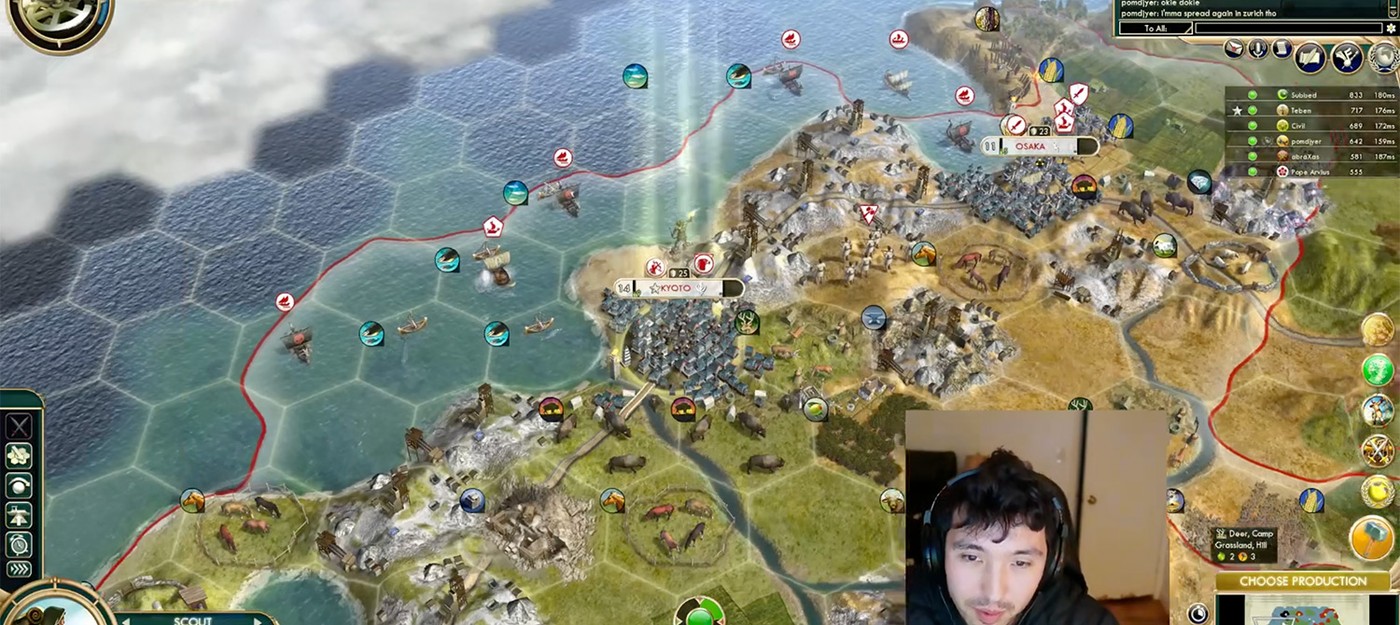
Civilization 5 came out back in 2010, but its multiplayer community still runs tournaments, and streams of the matches keep drawing viewers.
The secret to its longevity has nothing to do with balance or graphics. It comes down to plain human nature – against live opponents, a turn-based strategy game becomes an endless series full of intrigue, grudges, revenge, and alliances that collapse at the worst possible moment.
One Civ veteran put it this way:
When you play long games with people, the drama is always juicy. For me, the interpersonal drama and diplomacy of Civ 5 is the reason I have 4,000 hours over the last 15 years. Egging on newbies to go to war or to fear others. Backstabbing and three-year feuds that started over banana tiles. This game is ridiculous and wonderful.
The comment was sparked by an episode from one of the tournaments. A player captured a settler from a neighbor without any warning or negotiation, right as that neighbor was developing the "Honor" policy branch. The quarrel only erupted 30 turns later, once the resentment had built up, and the streamer on the receiving end had already explained that he was squeezed between an aggressive neighbor and another player going "Freedom".
An AI would react to something like that without emotion and keep playing by its algorithm. A real person remembers, gets angry, plans revenge, and can decide at any moment that defeating the offender matters more than winning. That unpredictability makes every match unique.
The competitive community even has a separate term for this kind of payback, the "irrelevance war" (irrel war). The wronged player declares a prolonged war on the offender, and both pour resources into armies instead of science and culture. Neither can win anymore, but the rest of the table calmly pulls ahead.
From the outside it looks like childish spite, but players call it deterrence. The community is small, and the same people meet in lobbies for years. If someone is known for fighting an offender to the bitter end, neighbors in later games will think three times before touching that player's units.
That gives the game its own social system, where everyone has a reputation and decisions are judged not only by what they gain but by how the neighbors react:
players negotiate borders, make threats, and issue demands
alliances and betrayals stretch across dozens of turns
grudges carry over from match to match and grow into feuds that last for years
newcomers can be talked into attacking a strong rival or fearing one
a reputation as a "bully" can leave a player without opponents, since everyone else simply stops joining the same lobby
Even stealing a settler in Civilization 5 is more of a provocation than a profitable move. A captured enemy settler turns into a worker, so the thief gains far less than the victim loses, and in exchange picks up an enemy for the rest of the match.
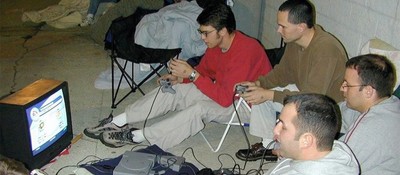
Many outside viewers in the discussion never understood why a single unit stirs up so much passion. For veterans, though, the answer is obvious – a match of Civilization 5 lasts for hours, and over that time players grow almost genuinely attached to their empire, their neighbors, and their rivals.
Of course, that doesn't mean multiplayer beats single-player – they're just different kinds of fun. Against the AI, it all comes down to knowing the systems and using them to build a winning strategy. Against humans, the gameplay is less about strategy, though that still matters, and more about playing the people. The second option is more stressful, but far more memorable.
- Civilization 7 fans find spots on maps for the Panama Canal and beg Firaxis to add it as soon as possible
- Total War: Warhammer 3 fans think the Lords of the End Times DLC worked a miracle and managed to show a sane version of the End Times
- Battles with hundreds of enemies and the harsh fate of rome's legendary warriors in the trailer for pixel strategy game The Ninth Legion