Tencent wants to "grow" new Larian and FromSoftware among its subsidiary studios and is ready to wait years for it

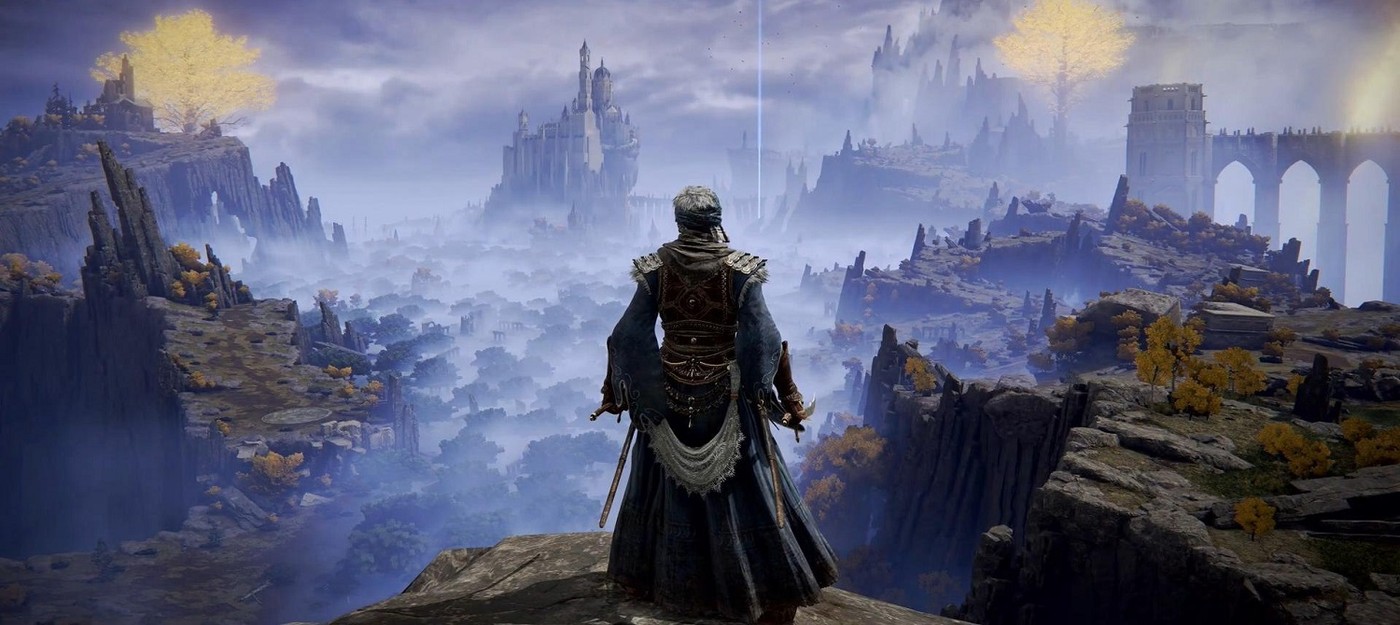
Tencent plans to build out studios and stay focused on specific genres in hopes of creating the next Larian or FromSoftware, developers capable of releasing year-defining hits like Baldur's Gate 3 or Elden Ring. Yong-yi Zhu, Tencent Games VP and head of operations, strategy, and compliance, shared the details.
Tencent holds substantial stakes in studios around the world, now including a new subsidiary of Assassin's Creed publisher Ubisoft. Zhu calls those two RPGs "North Stars" for game development, and says region doesn't factor into the equation.
For us, it's more about chasing high-quality talent and people that are bringing unique visions, have a very specific vision. We love to work with developers that are trying to hone their craft. The studios we cite as our North Stars, like Larian, FromSoftware, they've been in a particular genre for a long time and iterating on that genre.
Baldur's Gate 3 was mechanically and stylistically much closer to the Divinity series from Larian than to the original Baldur's Gate RPGs from BioWare. The studio's fingerprints were all over the game, even with D&D at its core. Elden Ring, meanwhile, was a sprawling game that pulled together everything FromSoftware had learned in its earlier action RPGs.
Tencent wants to find developers who can follow the same path. It also owns minority but significant shares of Larian and of Kadokawa, which owns FromSoftware. Last year Tencent increased its Kadokawa stake further, years after it and Sony bumped up their ownership of FromSoftware itself.
Zhu describes the same approach for Tencent's internal studios.
For us, we try to do the same thing with our internal studios. We want to work with you if you believe one day you can be the category leader in this particular genre. That could be today, two games from now, or three games from now, as long as we see that progress. That is the long-term commitment.
He also points to these franchises as proof that long-term support can produce generational hits.
You look at those two partnerships specifically, it wasn't an overnight success. It was multiple Divinities into Baldur's Gate. It was Demon's Souls into Dark Souls into Bloodborne and then finally into Elden Ring, which was so big. We do have a long-game approach. That's one thing that I think is very unique to Tencent and suits us well in working with a number of different developers for a long time to come.
After the huge success of Baldur's Gate 3, Larian split with Wizards of the Coast and returned to Divinity. FromSoftware put some of its Elden Ring earnings into stranger projects like Elden Ring Nightreign and The Duskbloods, though the studio also seems to have another big single-player game in the works.
A key difference with Tencent, according to Zhu, is that "a lot of our games are evergreen live service titles." He argues that this release rhythm shields the company from industry swings better than putting out a new premium game every few years, with the sharp dips and peaks that come with it.
Another way to cut risk, Zhu says, is to scale down teams during "the riskier part of the project," usually early concepting and pre-production. Smaller teams are becoming more common, and many of them find outsized success year after year.
Tencent hasn't avoided the industry downturn itself. Game dev layoffs look especially severe in the US, but the turbulence is global. Tencent reportedly backed out of several studio deals this year and shut down TiMi Montreal, led by Assassin's Creed: Black Flag director Ashraf Ismail, before the studio released a game.
- Players are unhappy that Marvel's Wolverine is a movie – the game plays scenes for you
- Rust player paralyzed after swatting demands $176 million from police
- Tencent spent six years and hundreds of millions on a GTA competitor – the game Last Sentinel was shut down