Super mutant vs button – why Fallout 3's ending has annoyed players for 17 years

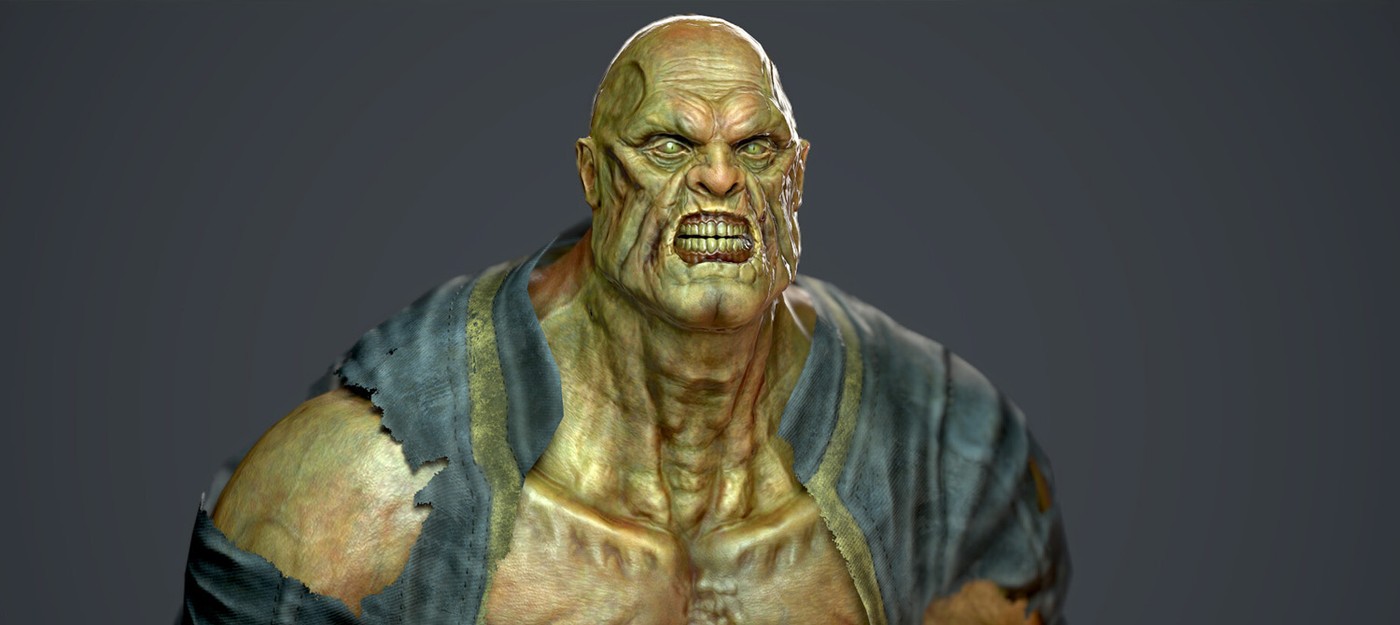
Heroic self-sacrifice only works when the hero has no other way out. When a radiation-immune super mutant nearly three meters tall is standing right there, the grand sacrifice turns into an absurdity.
The Savior of the Wasteland walks into the irradiated chamber alone, while a best friend politely waits outside the door.
That's exactly how the ending of Fallout 3, which Bethesda released in 2008, plays out. To start the water purifier and bring clean water to the Capital Wasteland, someone has to enter a chamber with lethal radiation levels.
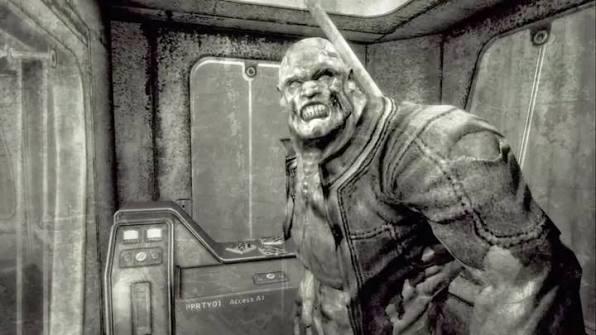
The original version offered only two options: die yourself or send in Sarah Lyons, who dies too. Fawkes, the ghoul Charon, and the robot Sergeant RL-3 have nothing to fear from radiation, yet all of them refuse when asked for help. Fawkes does it with a particular flourish:
I'm sorry, my companion, but no. We all have our own destinies, and yours culminates here. I would not rob you of that.
Bethesda heard the player complaints and released the Broken Steel add-on in 2009. After it, the hero survives, and radiation-immune companions can finally be sent into the chamber.
The catch is that the narrator in the final slides, voiced by Ron Perlman, says the Lone Wanderer didn't follow his father in being selfless, leaving it to a real hero. So the sensible solution, where nobody dies and everything turns out well, gets called cowardice by the game itself.
The companion logic falls apart too. Shortly before, Fawkes calmly retrieved the GECK from the irradiated chamber in Vault 87, which is exactly the same thing.
Charon is bound by a contract, and radiation heals ghouls, so a trip into the purifier would be more like a spa treatment for him. Clover's refusal is easier to explain, since she was programmed to protect her master, not die for them.