Why you shouldn't keep your PC case on the floor

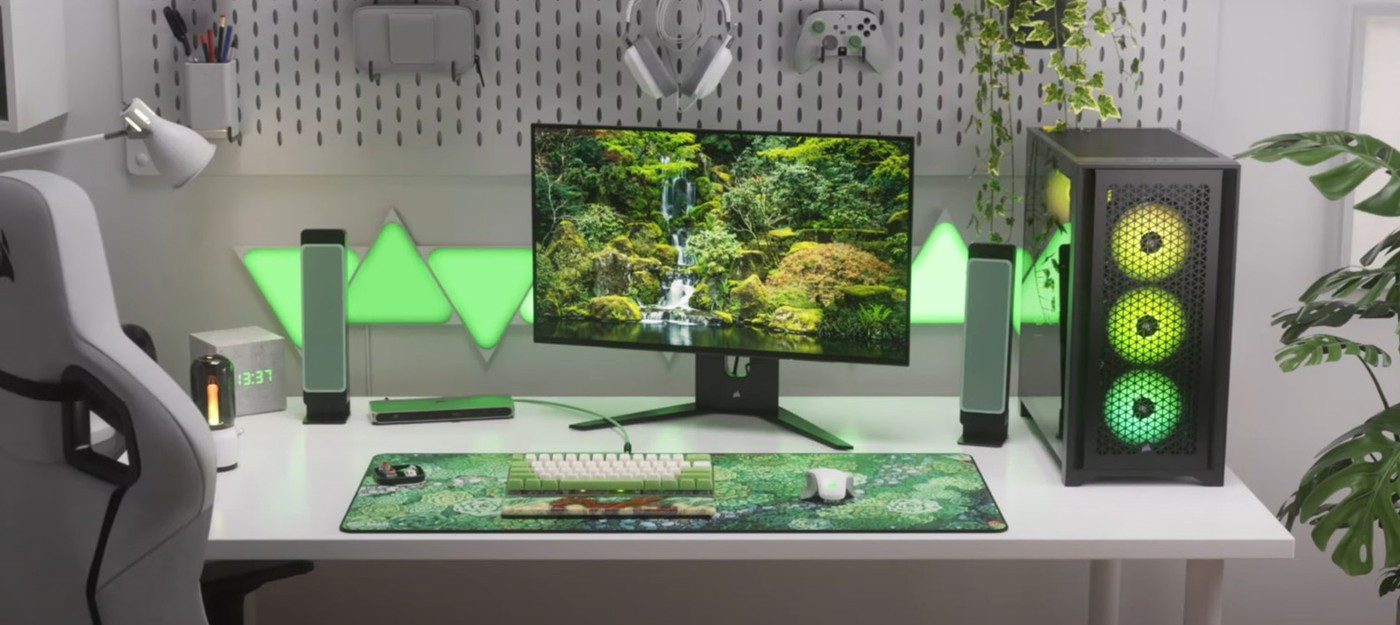
PC placement usually comes down to convenience rather than any technical reasoning. Towers are bulky, and not everyone has desk space for a full-size case, so the tower often just gets shoved under the desk.
It sits there for months, forgotten until you need to hit the power button or plug in a new cable. The problem is that over time, this kind of placement starts affecting temperature, noise levels, and gaming stability.
Floors collect far more dust than desks or shelves. Carpet fibers, pet hair, pollen, and dead skin cells all settle at ground level, and a PC intake fans pull that debris straight into the case. Over time, dust coats the heatsinks, filters, and small components on the board, turning parts that are supposed to stay cool into something closer to insulated.
Dust-clogged pathways force fans to work harder just to keep temperatures in check, and as heat builds up, it triggers thermal throttling – a safety mechanism that lowers CPU and GPU clock speeds to prevent damage. In practice, that means a performance drop right when the system is working hardest, like during a gaming session.
Consistently high temperatures also speed up capacitor wear and thermal paste breakdown, so a machine built to last six to eight years could fail in half that time.
Given current prices for GPUs, CPUs, RAM, and storage, that's a costly risk to take. Dust isn't the only culprit either. Pushing the case too close to a wall blocks intake and exhaust paths needed for proper airflow. Restricted airflow traps heat inside, forcing fans to spin louder and wear out faster, meaning even a well-built PC ends up underperforming simply because of where it sits.
If putting the tower on a desk or shelf isn't an option, there are a few ways to reduce the damage from floor placement:
raise the case off the ground with a stand so fans aren't pulling air directly from floor level;
avoid setting it up directly on carpet or in humid areas, since that speeds up dust buildup and means more frequent cleaning;
place the case on a hard, non-carpeted floor using a stand or a wheeled cart;
leave a few inches of clearance from walls and furniture so rear exhaust vents can work properly.
Along with proper placement, it helps to wipe down the case exterior regularly and open it up every few months for a full cleaning – blast it with compressed air, rinse the filters, and clear built-up dust off the heatsinks.
That routine might sound minor, but it directly affects how much dust the system pulls in, how well it cools, and how many years it runs without losing performance. A small investment in a stand or shelf, plus keeping up with cleaning, ends up saving a lot more money than it might seem, especially given how much components cost right now.
- RTX 5080 owner burns out graphics card after launching GTA 5 with DLSS 5 – replacement issued anyway
- The Samsara wheel of PC Gamers – new technologies slow down old powerful graphics cards
- Replacing thermal paste boosted FPS on RTX 2080 Ti almost twofold and lowered hotspot temperature by 10 degrees