Microsoft patents a system that pauses games for advertising

Ads in games stopped being exotic a long time ago, but they mostly lived in the mobile segment and behaved rudely: round over, here's a full-screen banner.
Microsoft, judging by a recent patent application, wants to make the process more polite and more systematic at the same time, building ad breaks directly into the game engine logic.
The application, filed with the US Patent and Trademark Office, describes a "content management system" that gives players a set stretch of ad-free time.
The countdown can run either on a regular timer or based on in-game progress, such as the number of levels completed or bosses defeated. Once the limit runs out, a window opens for showing "promoted content."
The main difference from the mobile approach is that the clip doesn't pop up in the middle of a fight. The system looks for so-called downtimes: the moment right after beating a boss, the end of a cutscene, a level load, finishing a quest, or opening a menu.
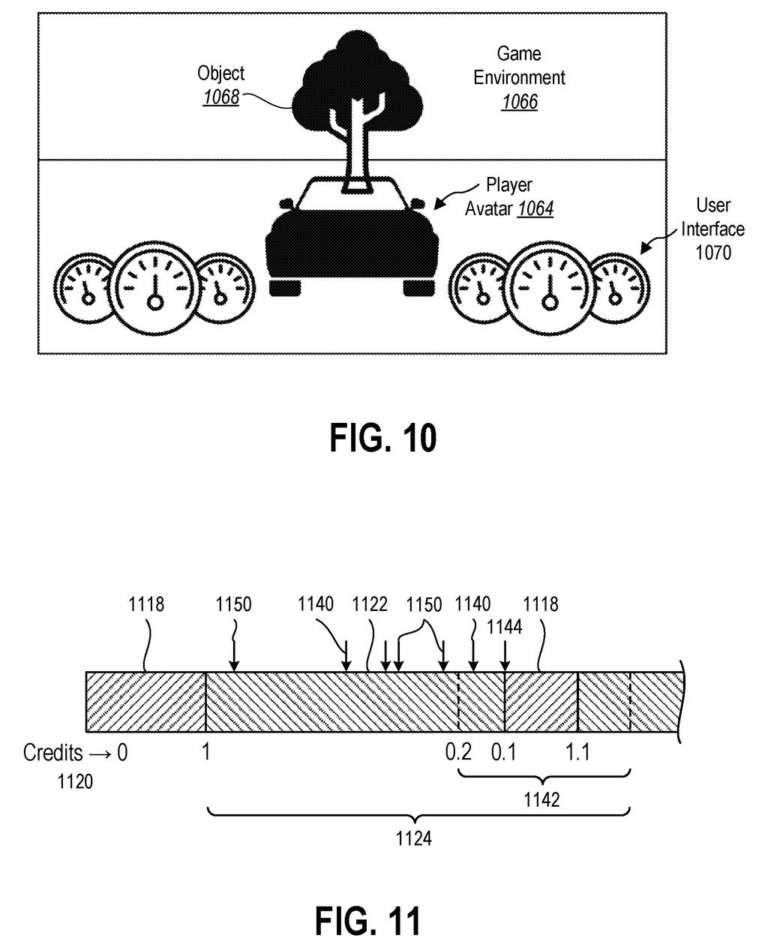
During playback the game gets frozen so progress doesn't suffer and nobody loses health while watching a shampoo commercial.
Watching the clip earns the player a "credit" that pushes back the next pause for a certain duration. In other words, the more diligently someone watches ads through, the longer they get to play afterward without interruptions. According to the document, machine learning is supposed to pick the right moment by analyzing the state of the game session.
Technically this is just a patent application, and big corporations pile up thousands of these without them ever turning into an actual product.
But the context adds some weight to the situation: Microsoft already experimented with a free ad-supported tier for Xbox Cloud Gaming, and Game Pass Ultimate subscribers recently got hit with a monthly cloud gaming cap. The direction here isn't hard to read.
Technically, the idea looks tidier than what happens in mobile games, where ads cut in on an arbitrary timer. The debate isn't really about the implementation, though – it's about what kind of games this encourages studios to build. The free-to-play model with ad-based monetization has been pressuring the industry harder than any creative ambition for years now.