Why the extended edition of The Lord of the Rings: The Fellowship of the Ring on Blu-ray turned green, and no one fixed it

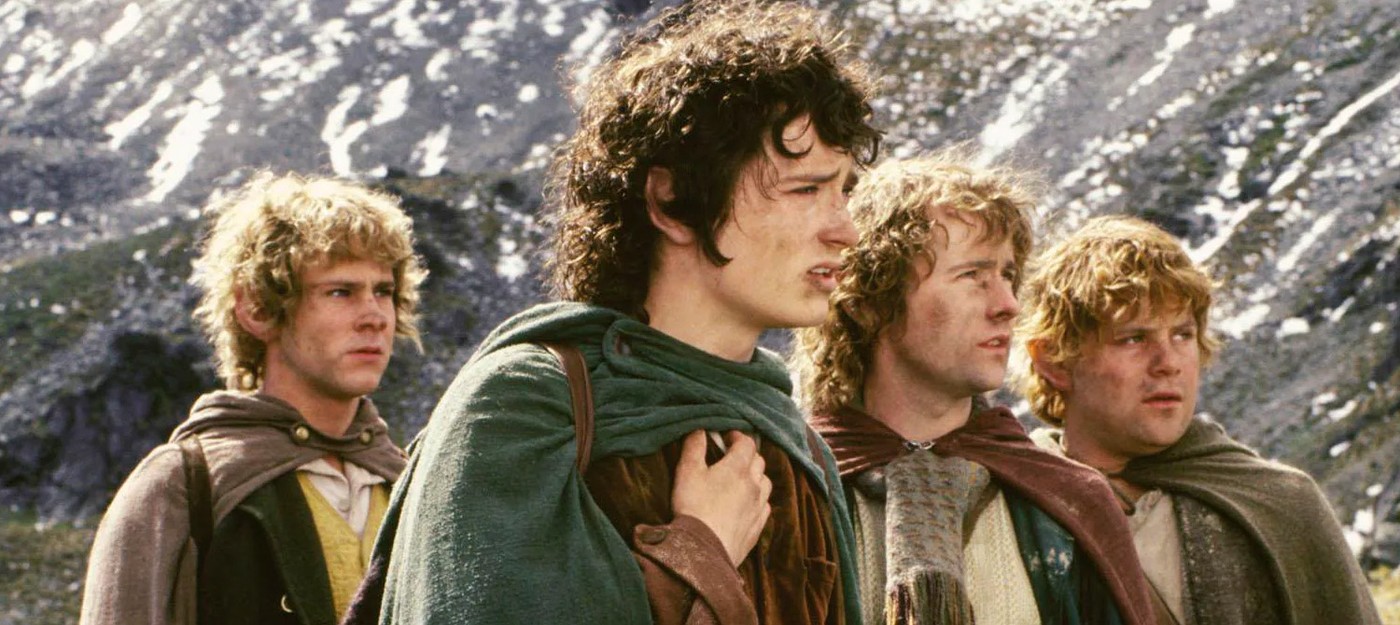
Color grading is the most invisible and total magic in cinema – one shifted slider changes not just a shot, but the mood of an entire story. And if the mistake doesn't get caught before the discs go to print, all three-plus hours of the journey from the Shire to Amon Hen end up drowning in swampy green.
That's exactly what happened with the extended Blu-ray release of The Lord of the Rings: The Fellowship of the Ring, released in 2011. Put it side by side with the 2010 theatrical Blu-ray or the old extended DVD, and the difference jumps right out: a green tint in almost every scene, crushed highlights, and contrast cranked up so high that black turns into an impenetrable mess.
What's strange is that The Two Towers and The Return of the King only got minor tweaks in their extended versions, while the first film alone took the hit.
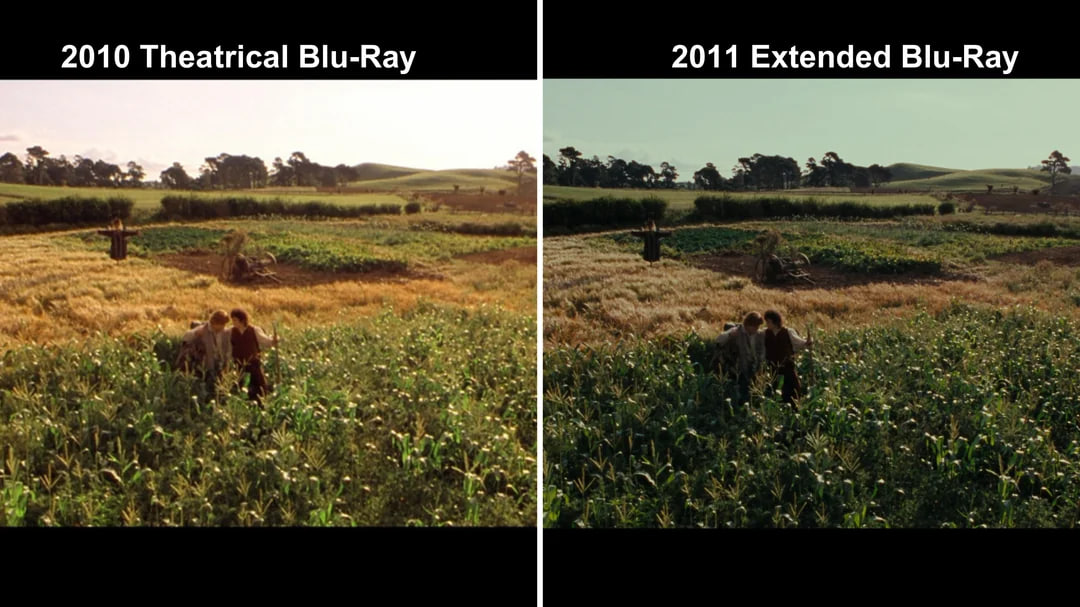
The most plausible explanation comes down to a plain technical slip during mastering, most likely when converting the image from the wide cinematic DCI-P3 color space to the narrower Rec. 709 space that discs are made for. Errors like this show up in big releases all the time, they just usually hide in a single scene instead of stretching across the whole runtime.
Without a direct side-by-side comparison, it's easy to blame the tint on your own TV or the lighting in the room, and the fact that this odd grade only hit one film in the trilogy makes the "honest mistake" theory more convincing.
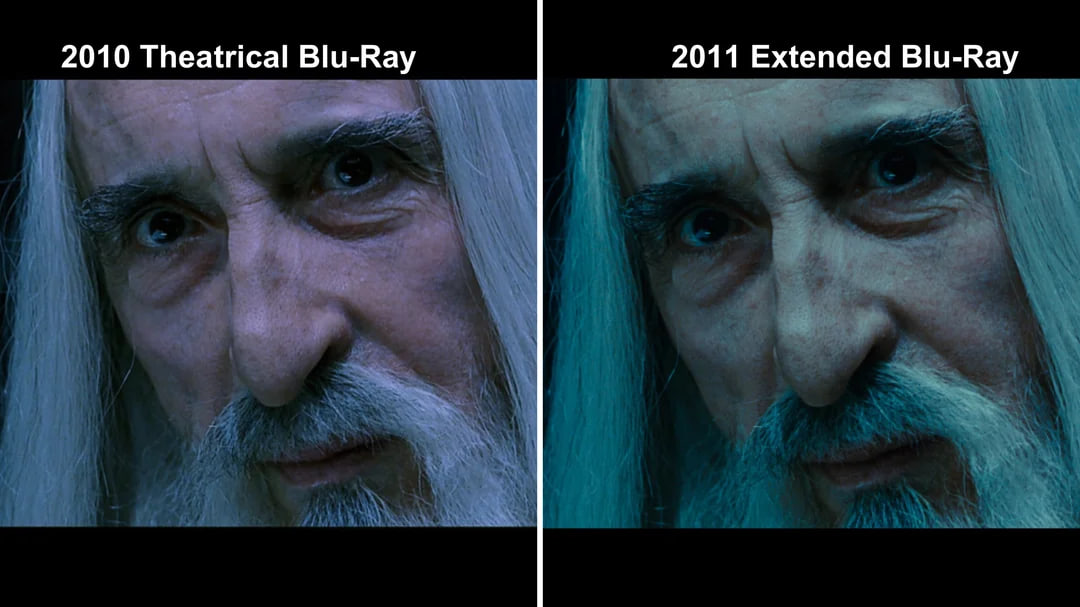
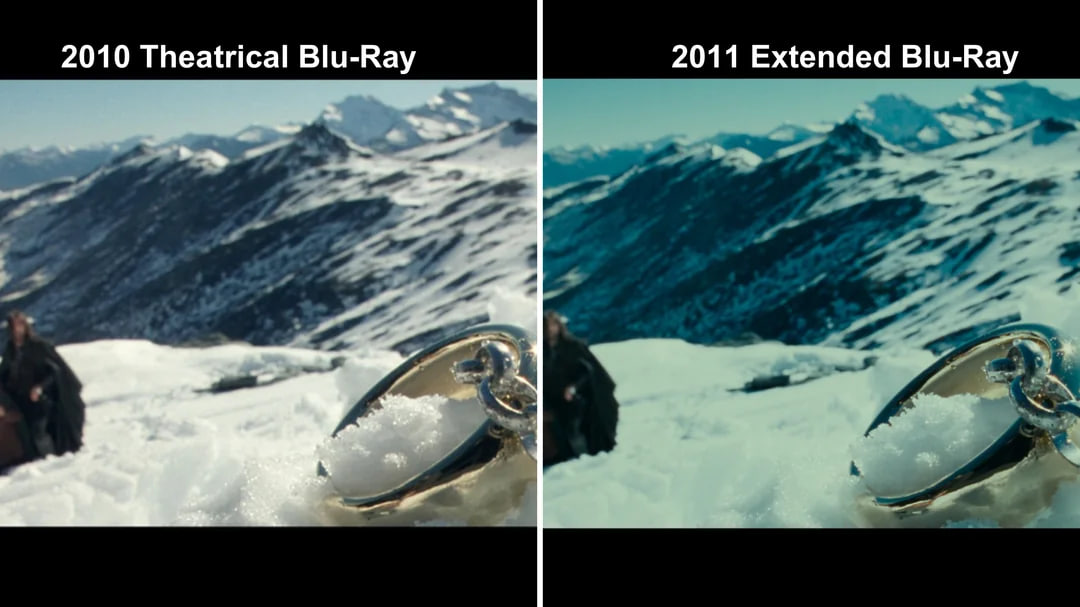
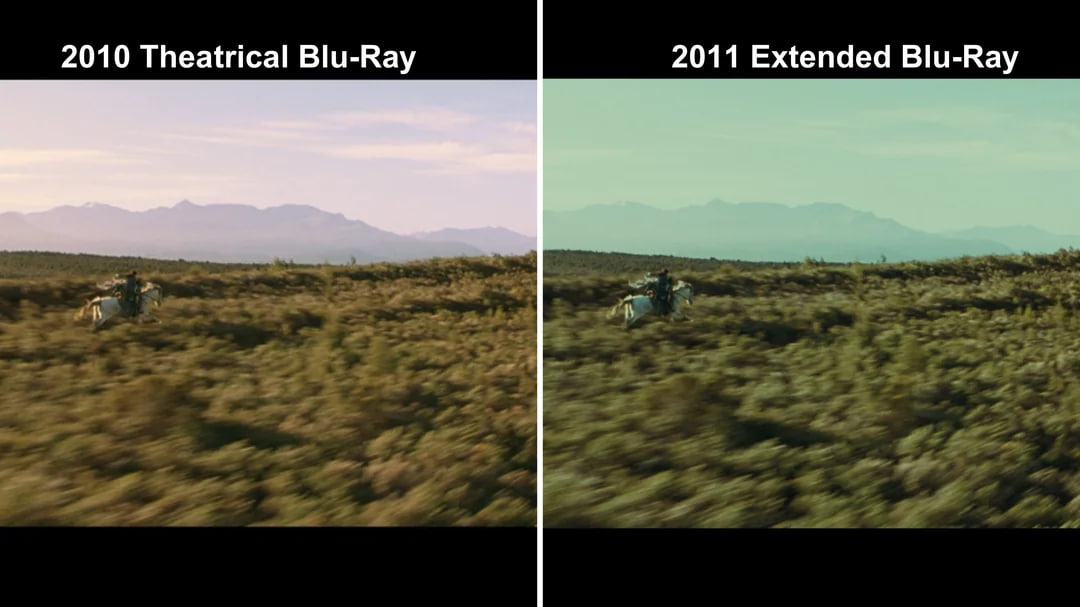
There are precedents, and loud ones. The 2014 Godzilla home release came out noticeably darker than the theatrical cut, at times to the point of being unwatchable, and director Gareth Edwards later admitted it was a conversion error, one that later reissues fixed.
The situation with Game of Thrones season 8, episode 3 had a different cause but the same result: the streaming bitrate got squeezed to handle the load, and the night battle fell apart into gray compression blocks.
The logical fix should have been the 2020 4K release, where the colors did get brought back to something reasonable, but it came with its own problems. The picture is built from the old 1080p masters rather than a fresh negative scan, and aggressive noise reduction got layered on top: grain got wiped out, detail turned waxy in places, and at the entrance to Minas Tirith, the top of Gandalf staff literally flickers in and out because the algorithm mistook motion blur for noise.
Separate complaints keep piling up over the reworked time of day in Osgiliath and the warg-riding scene, where Aragorn is colored a flat brown in several shots.
A full ground-up remaster runs into money and access problems: scanning the original elements is estimated at $250,000 to $500,000 per film, rebuilding the digital effects stuck at 2K would run into the millions, and that's on top of rescanning the matte backgrounds and redoing the final color timing.
Peter Jackson has said he still hasn't managed to get the negatives pulled out of storage, so the most accurate version of the extended Fellowship of the Ring remains a fan restoration built to match the colors of the original DVD and theatrical Blu-ray.
- An old number from the Lord of the Rings DVD led a fan to a 2001 chess set
- Enthusiast created a stunning bookshelf door for his wife styled like a hobbit home from The Lord of the Rings
- Viggo Mortensen paid a hefty legal bill for stunt performers on the set of "The Lord of the Rings"