WoW fans are thrilled with the new lighting, fog, and water in WoW Forever running on Blizzard custom ray tracer

The debate over whether a twenty-year-old game can get a graphics overhaul without losing its identity just got a detailed technical answer.
On the second day of BlizzCon, the panel "Evolving a Timeless World" brought together lead environment artist Matt Heyman and lead software engineer Jason Scott, who walked through how the visuals of World of Warcraft: Forever were rebuilt. This isn't about a new engine – it comes down to three sets of changes within the existing one: fog, lighting, and water.

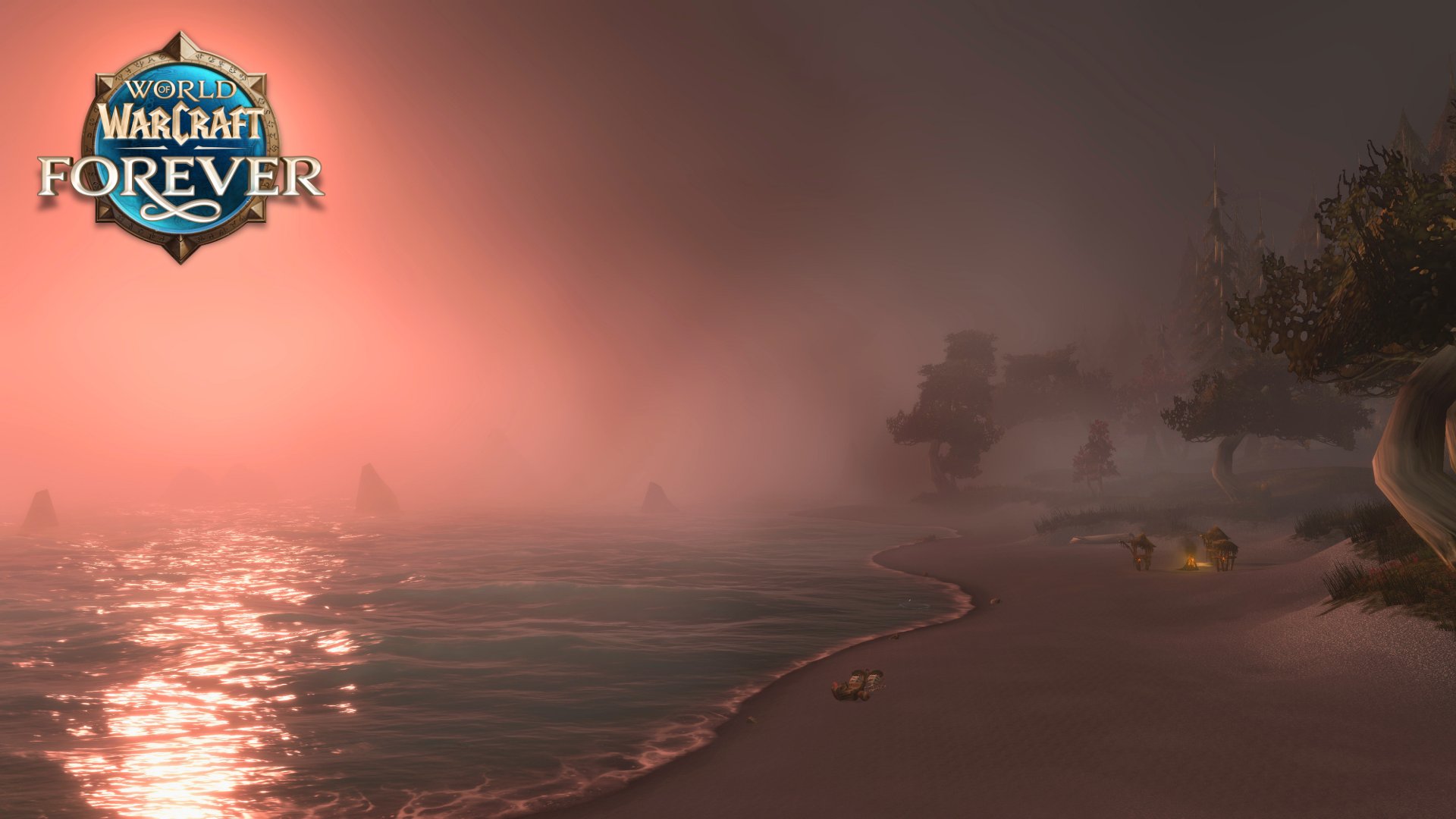
The developers framed their visual goal as "Azeroth, the way you remember it." The idea is to merge the original Vanilla with the version that lives in players memories, shaped by nostalgia. The guiding principle is authenticity, and the studio rejects change simply for the sake of change.
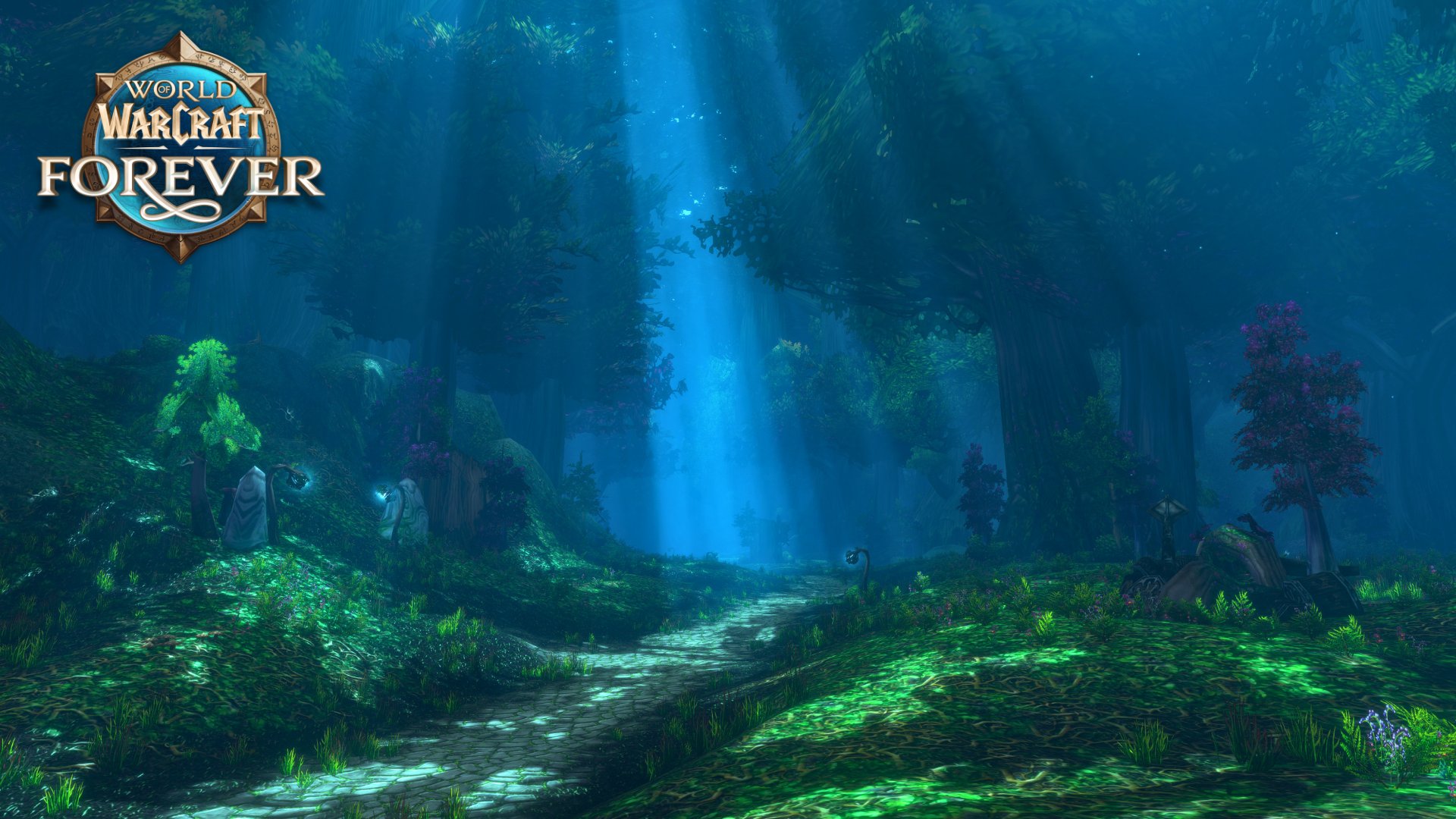
Fog has been part of the game look since launch, serving two purposes at once – setting the mood and hiding the draw distance cutoff. Now volumetric fog handles atmosphere only, and wind has been added to push it around. A side effect of the new tech is genuine sunbeams cutting through the haze.
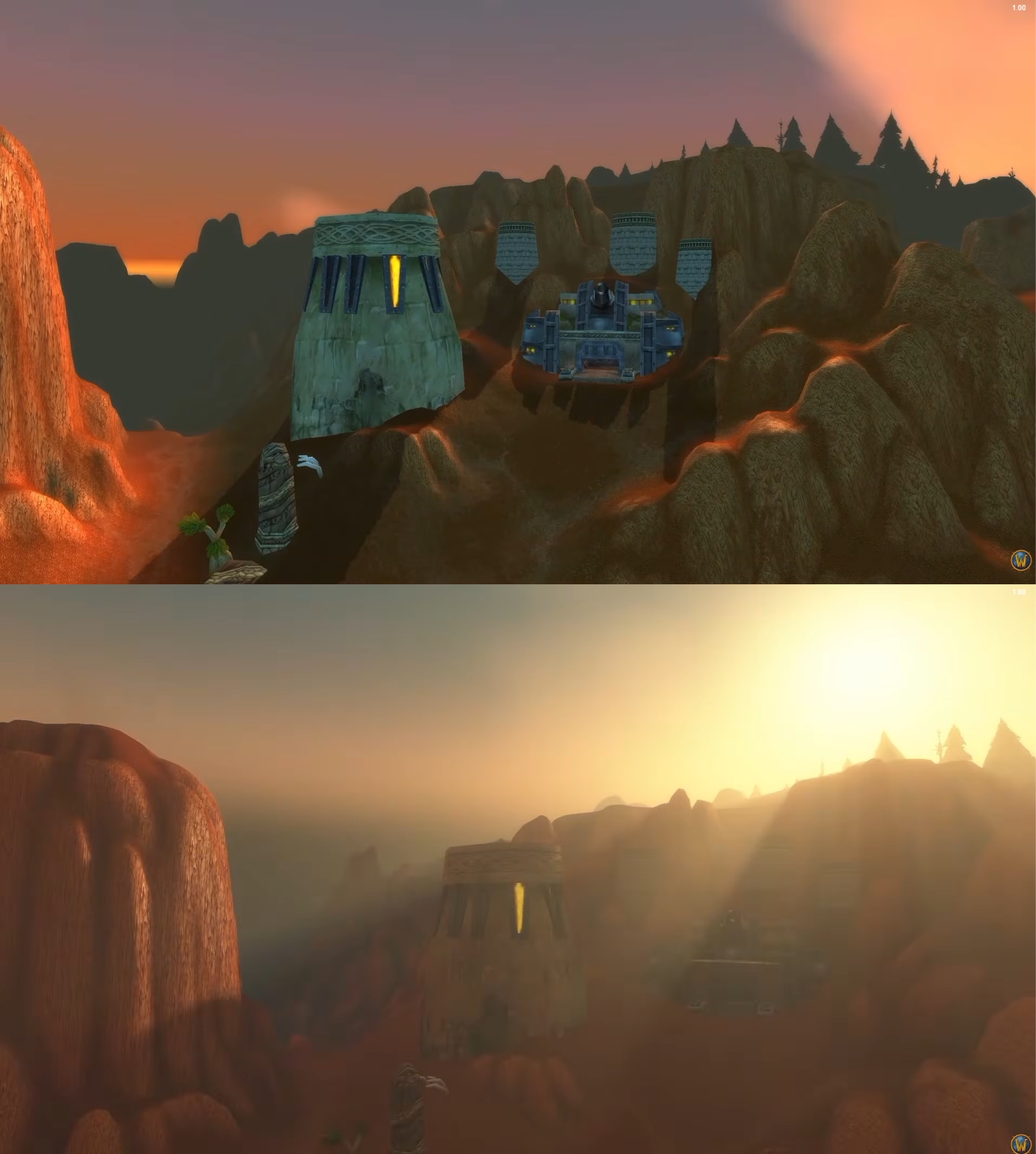
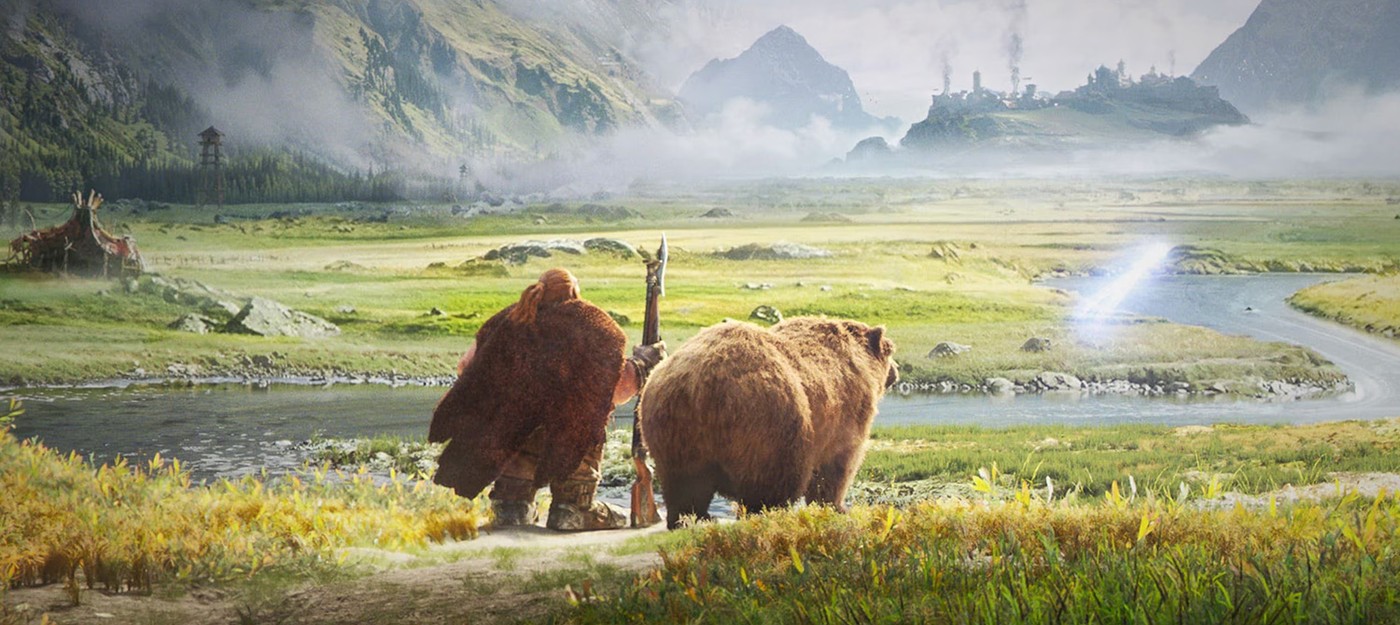
Draw distance has increased so much that Dun Morogh is now visible from the Wetlands, and looking toward Alterac reveals the towers of Dalaran. The fog stays volumetric too, meaning players can walk through it, and it blends with the environment instead of hanging as a flat veil.
Lighting was the weakest part of the original game – mountains didn't block the sun or cast shadows, and plenty of models ignored the light source entirely. In Forever, mountains and objects properly cast shadows on the terrain while also generating light shafts through the fog. In Mulgore, tree shadows used to be static, and now they move along with the sun.
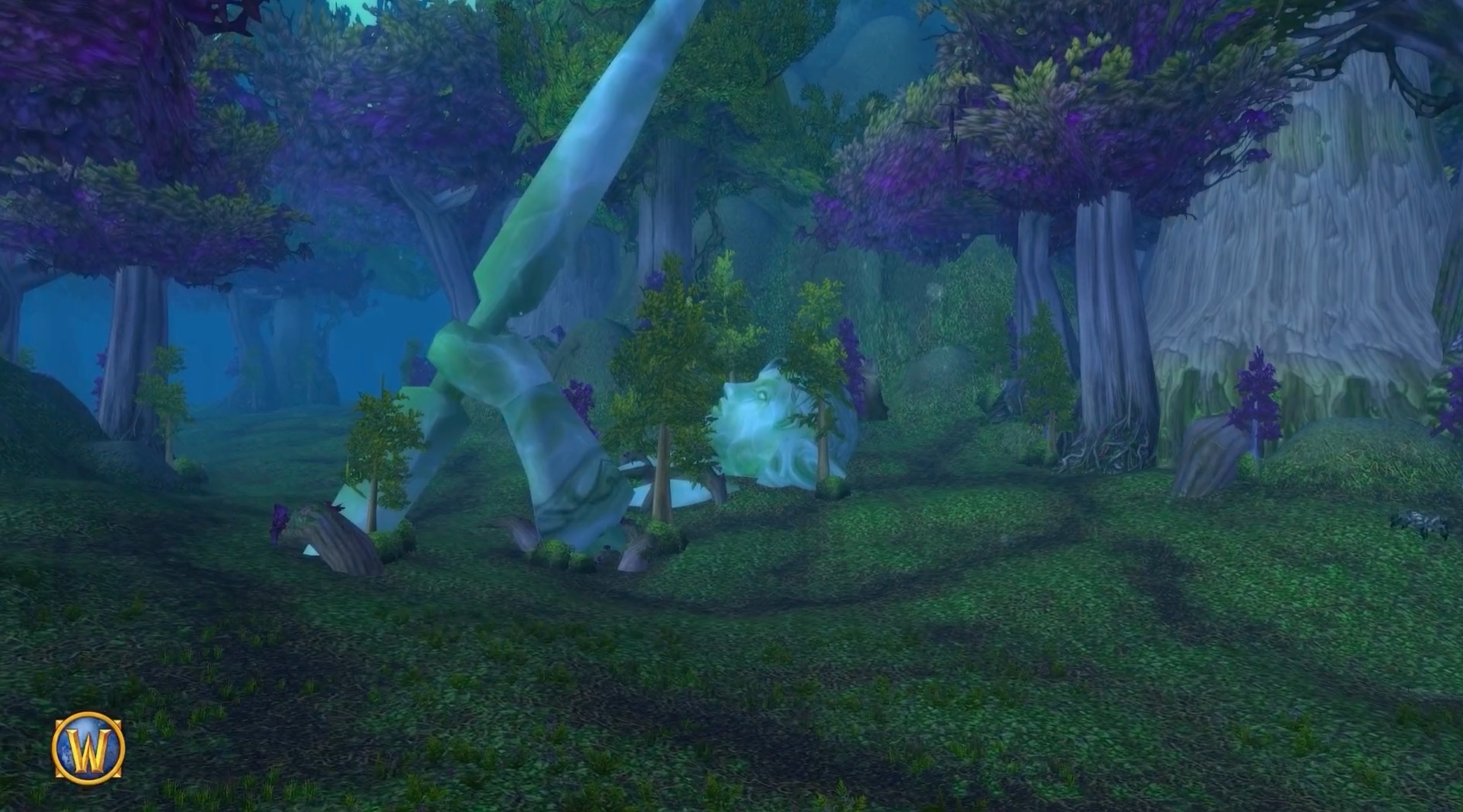
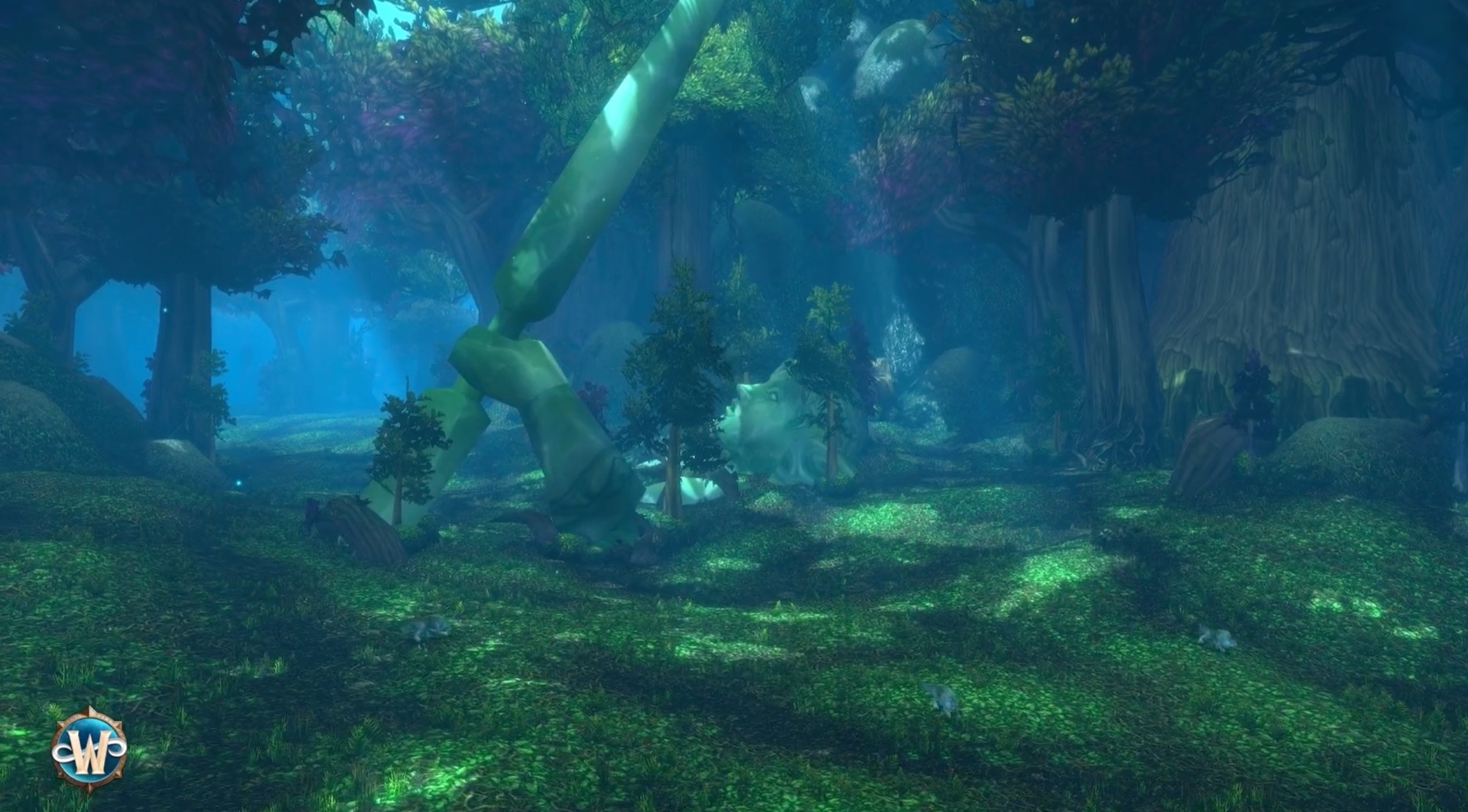
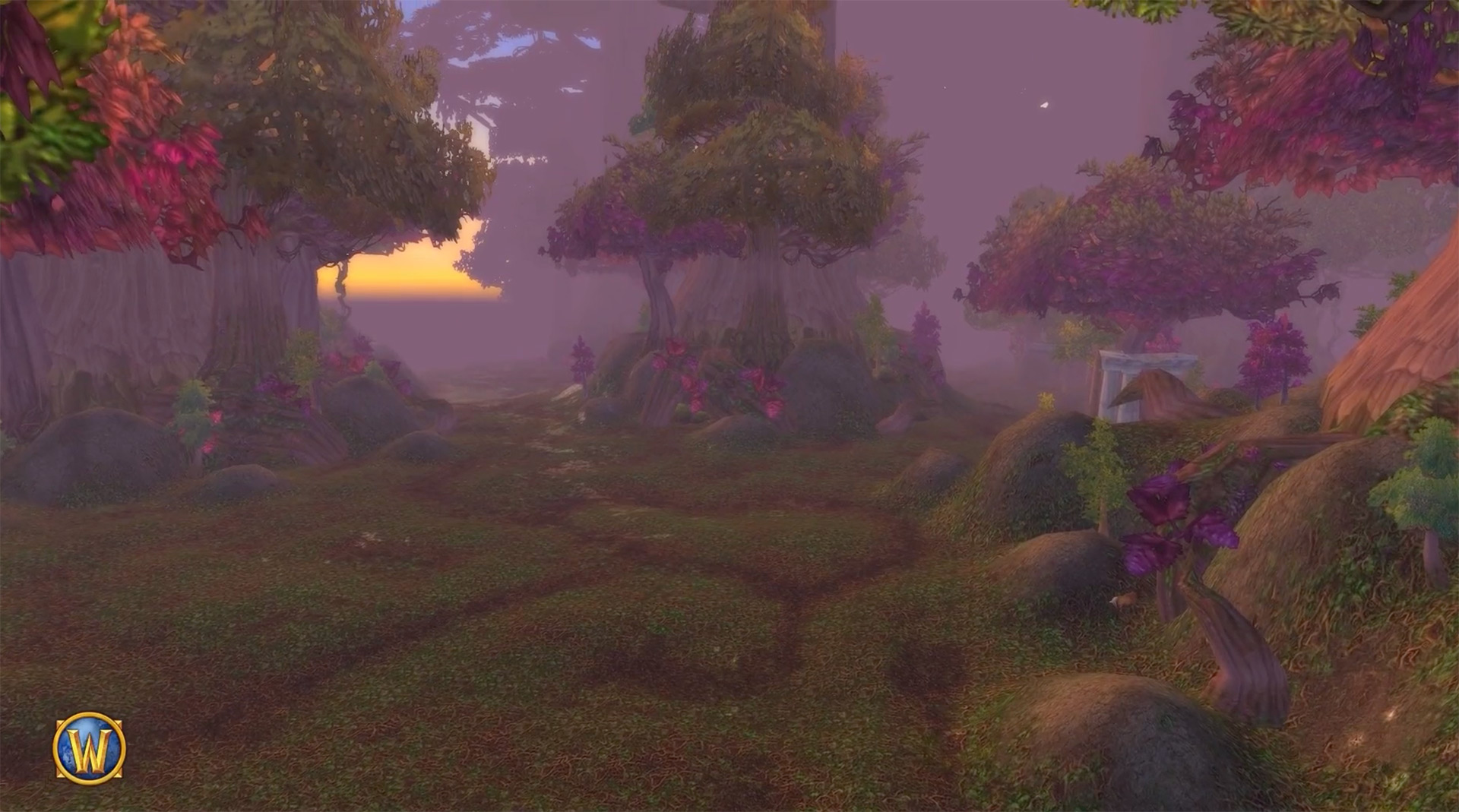
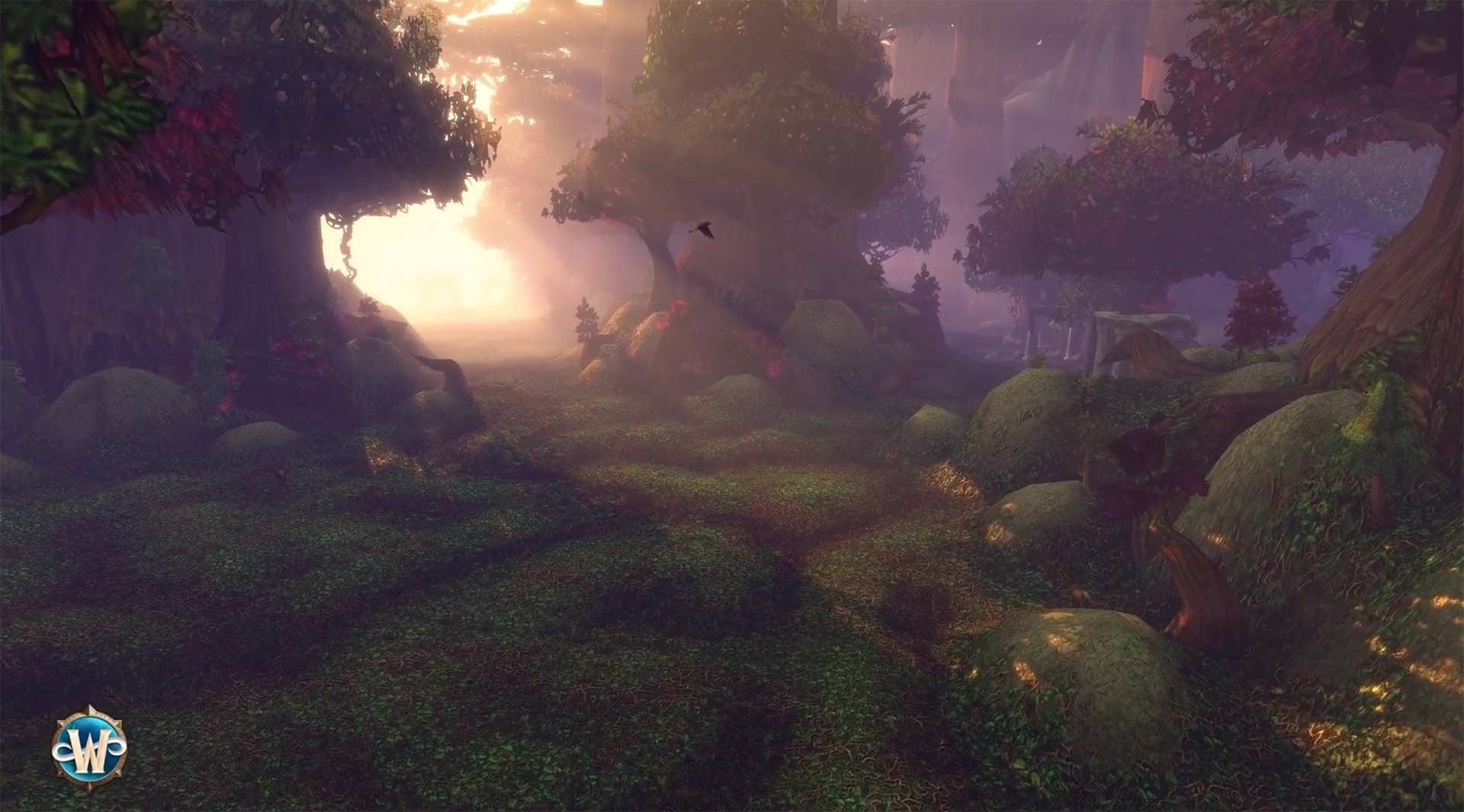
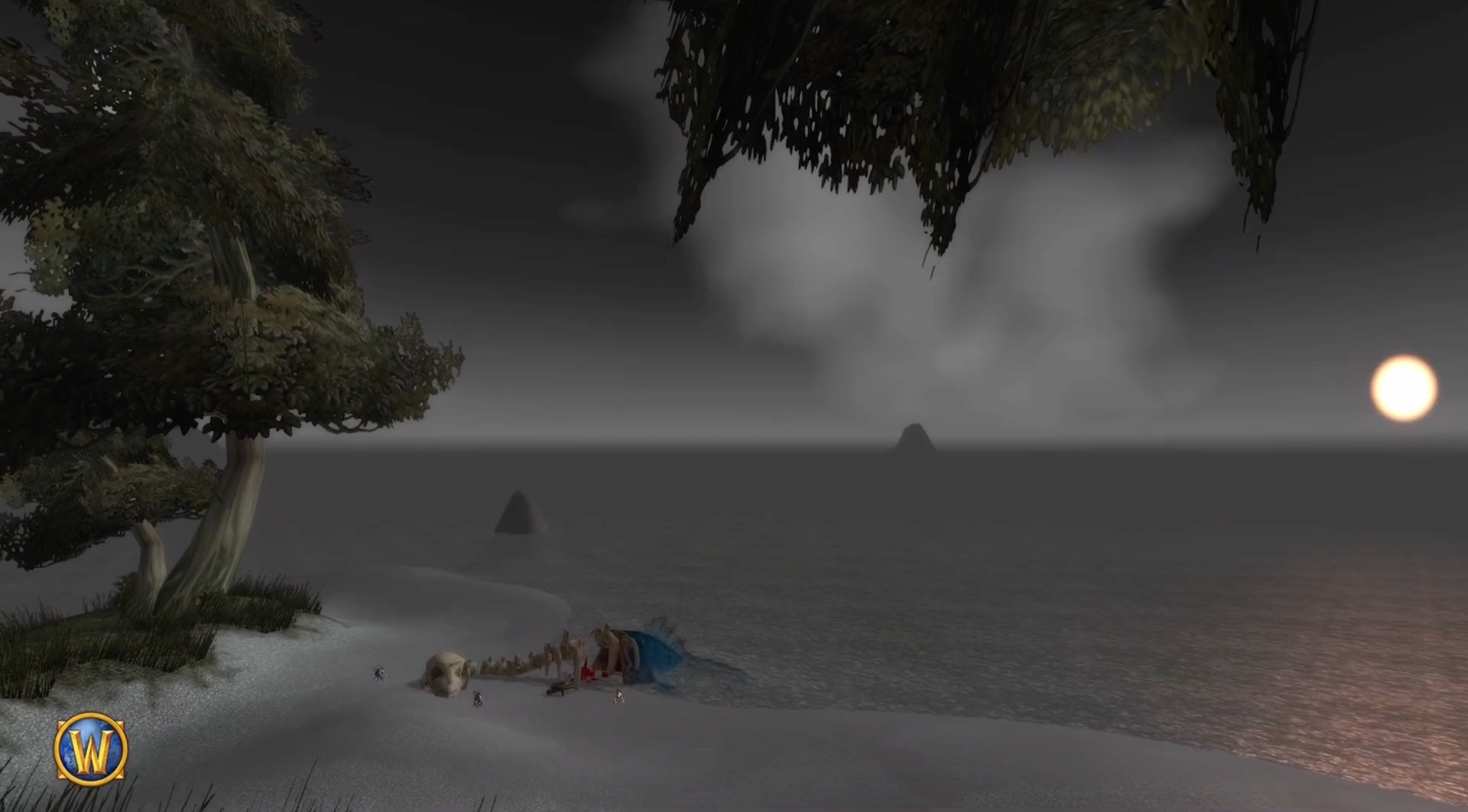
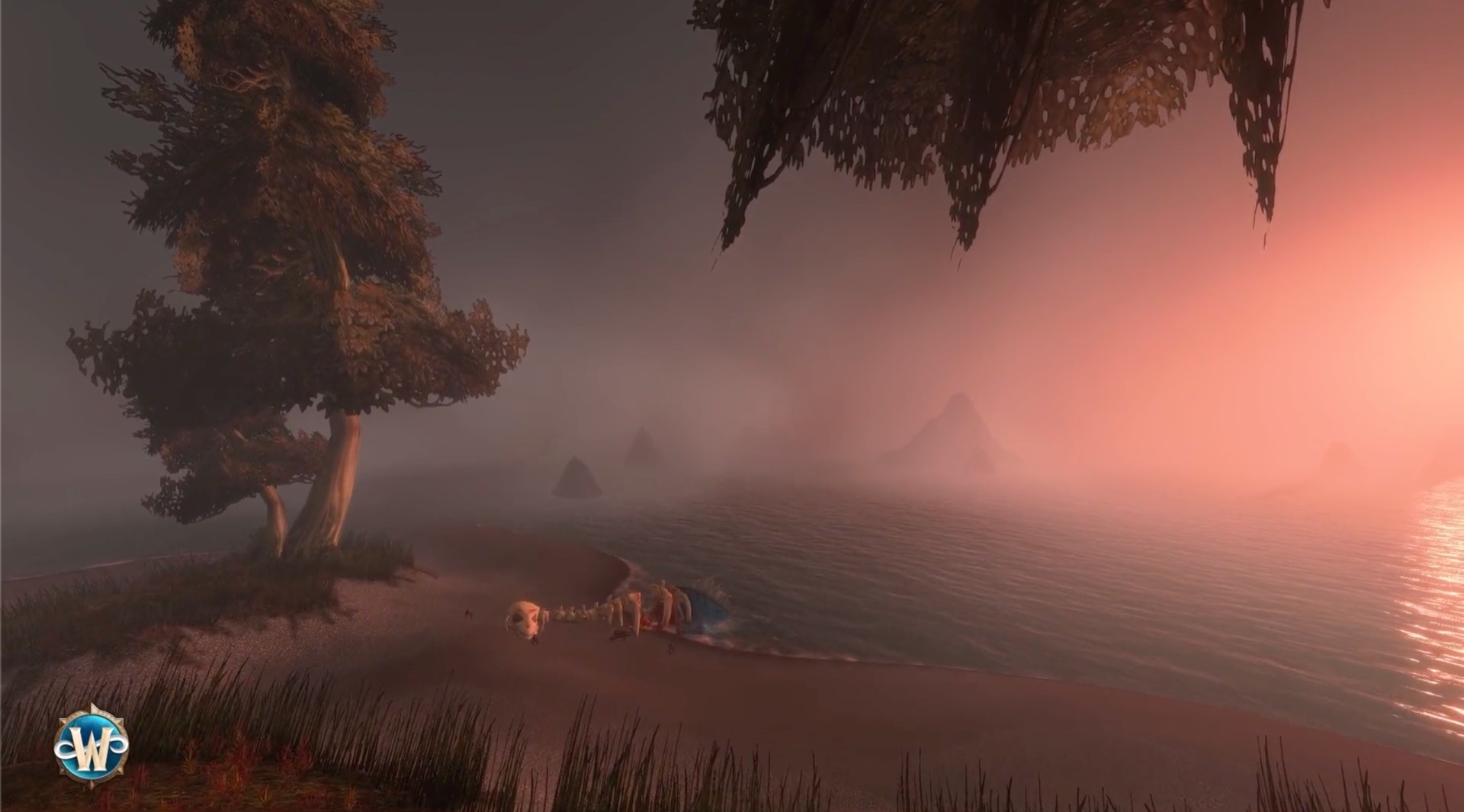
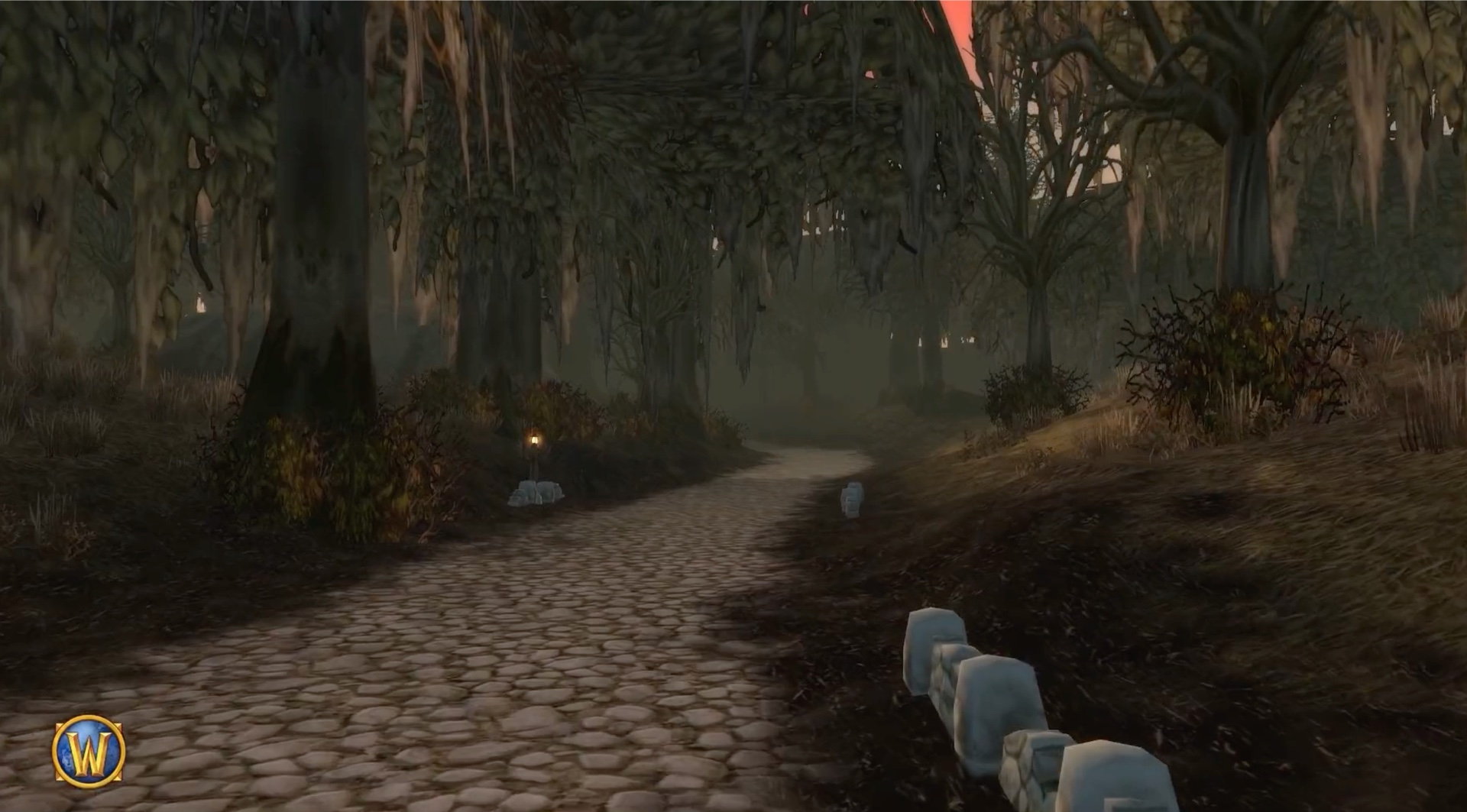
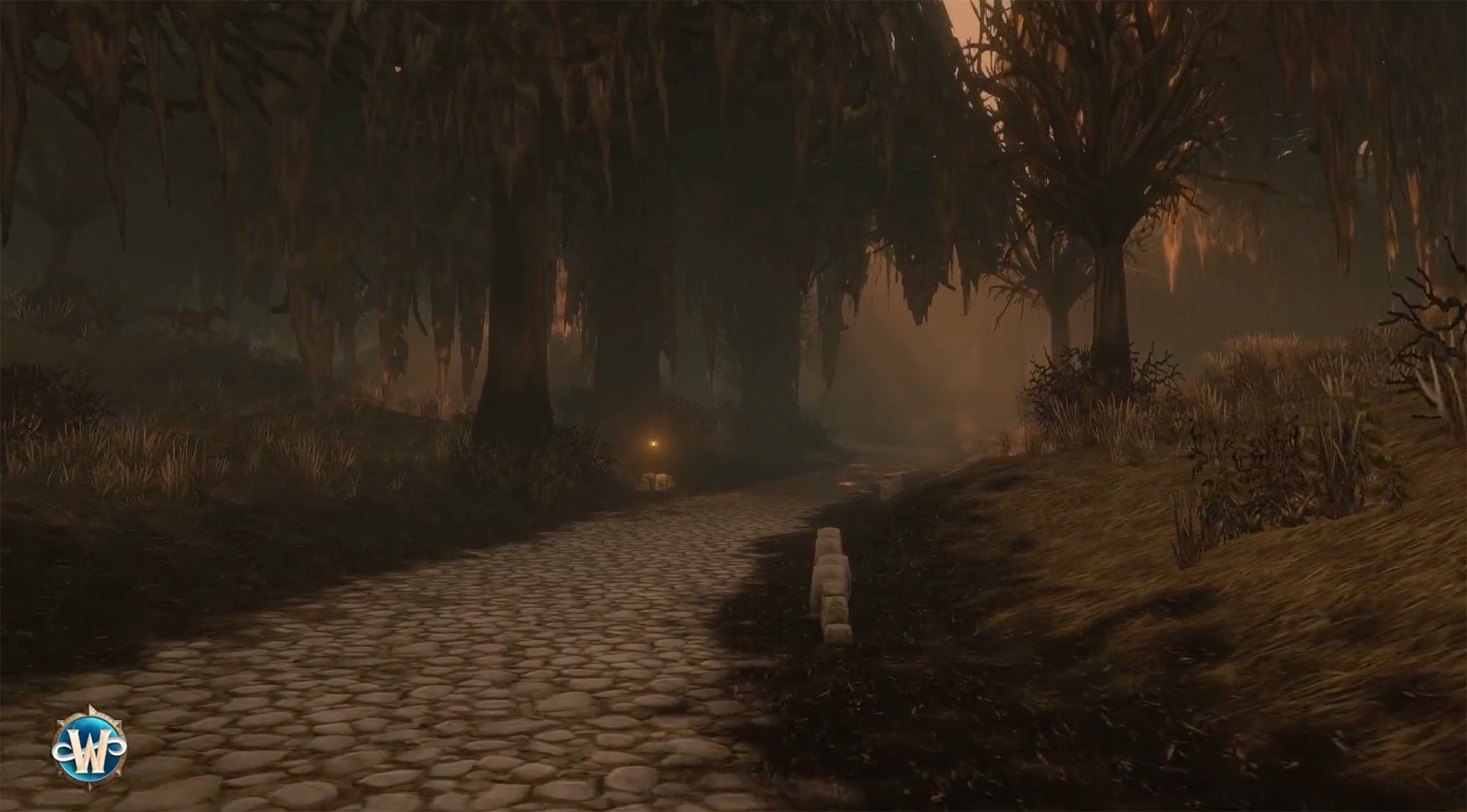
Vanilla baked ambient lighting has been replaced with global illumination that calculates light far more precisely. To pull this off, the studio built its own ray tracer, combining existing ideas with entirely new work, and it runs not just on recommended specs but on minimum ones too. The sun and moon now act as true directional light sources, with the day-night cycle controlling their position in real time.
Water got its own shader, written from scratch. The original water moved in a fixed direction but stayed flat and static. The new parameters let developers control several traits at once:
water density and how deep light penetrates
transparency, ranging from crystal clear to murky
currents, waves, and reaction to wind
reflections, including the sun and moon
Rivers now actually flow, curving around rocks and producing foam on impact with obstacles. The original game barely had any water reflections, which made sunrises and sunsets over water look flat.
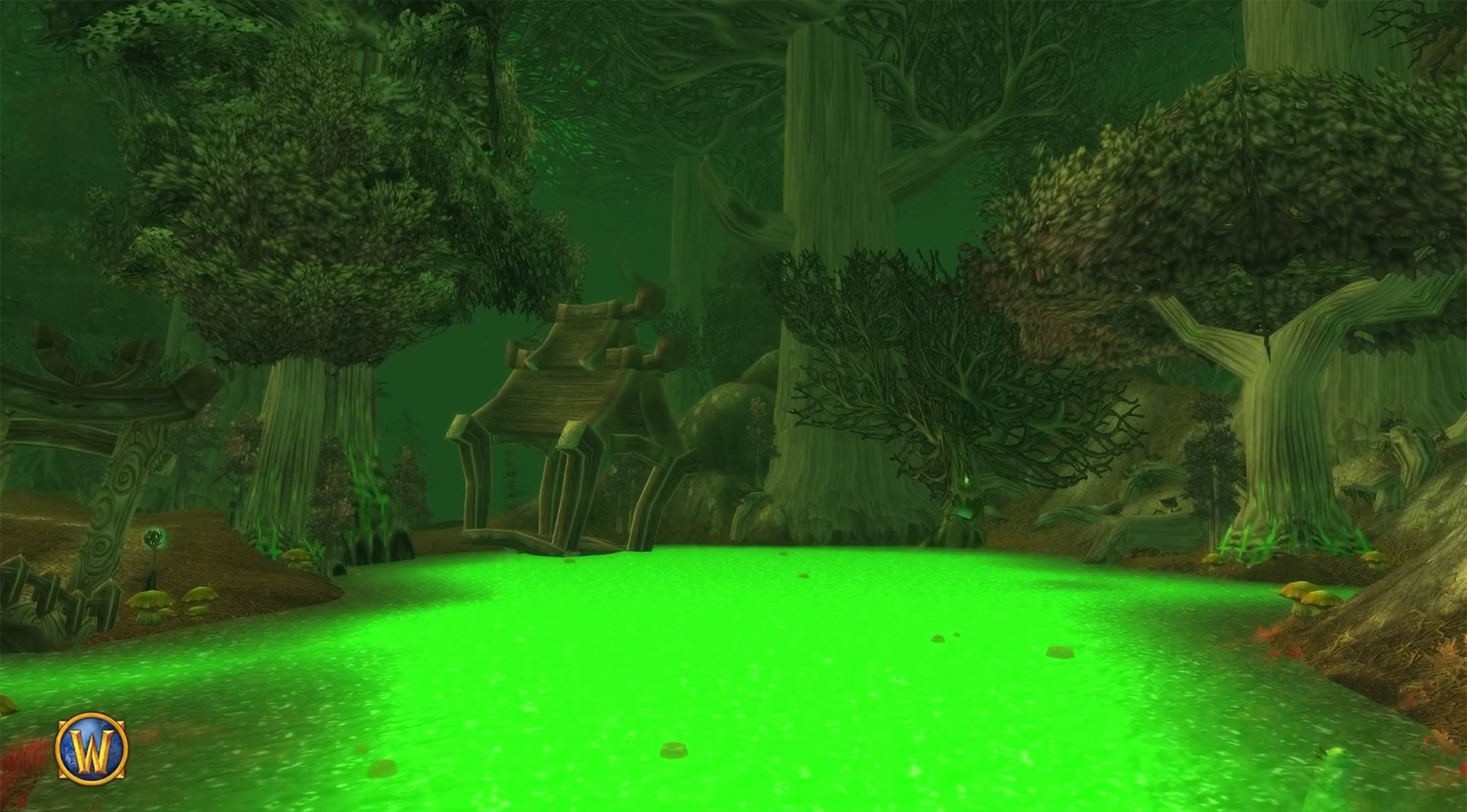
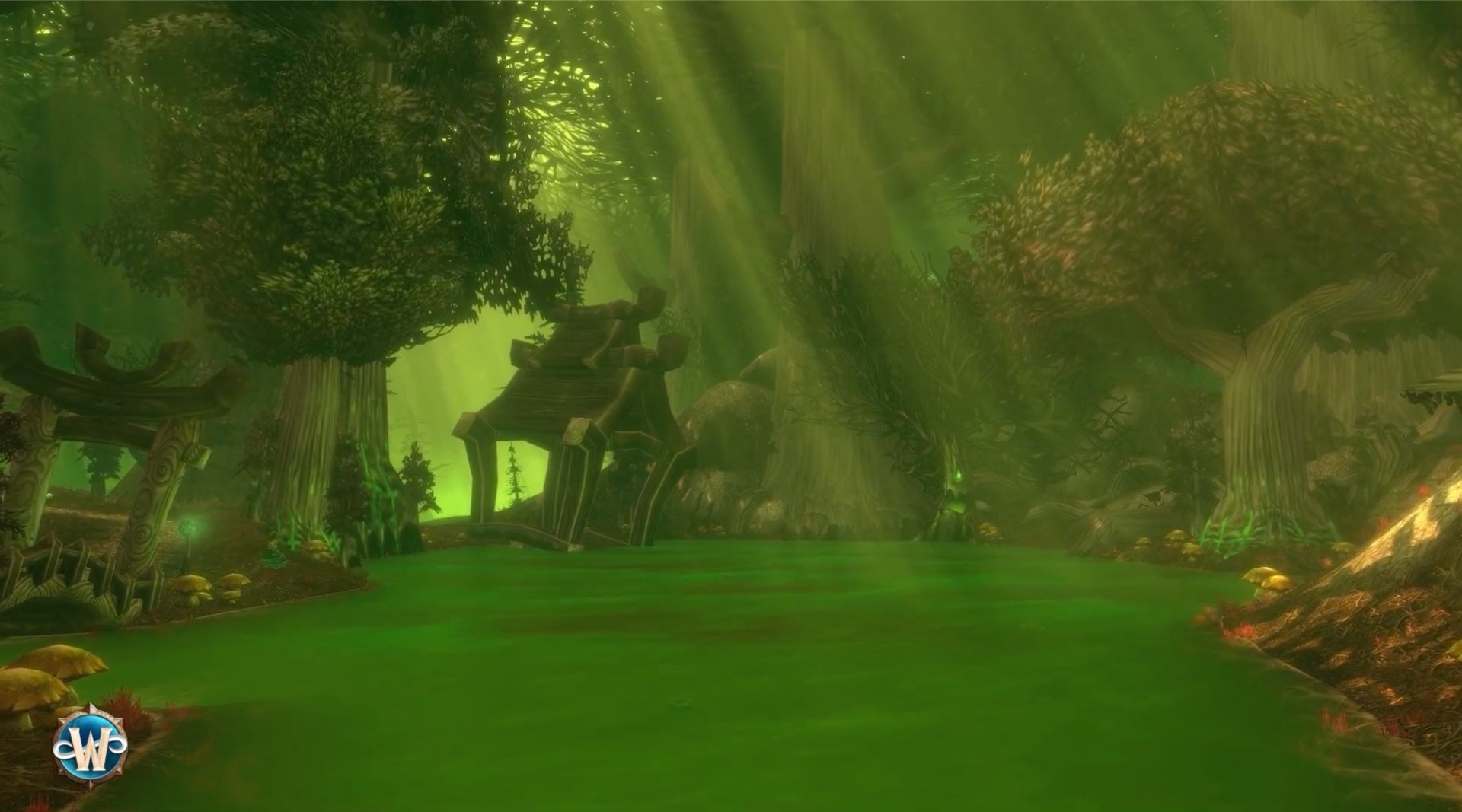
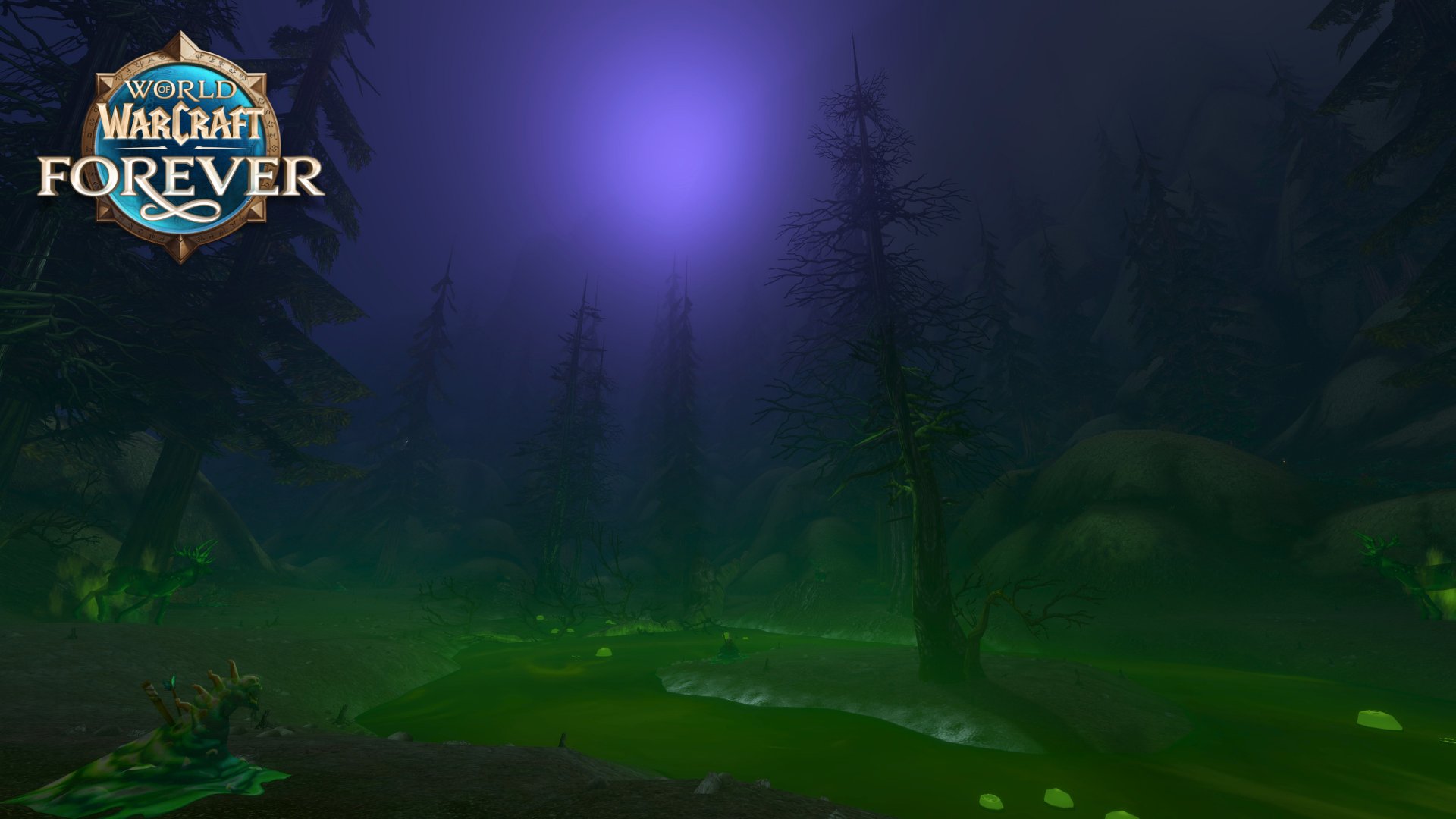
The developers demonstrated the zone rework process using Duskwood as an example, checking it against the original 1.12 client. First ambient lighting gets reduced, local light sources and global illumination get added, then a base fog layer goes in. A second ground-level fog layer follows for extra spookiness, after which the effect gets deliberately toned down so the zone doesn't drift too far from the original feel.
Separate work went into new assets. The game art style has shifted a lot over the years and no longer matches the vanilla look, so for Forever the studio deliberately sticks to the old aesthetic. For Durotar, adding blue or green fog would have been tempting, but instead the team leaned into a stronger orange, scorching atmosphere for the zone.
Community reaction has been mixed. Some players feel the haze washes out colors and turns every zone into permanent dusk, and in the demo footage the distant towers are hard to make out against the sunlight. The biggest worry is Ashenvale, which risks losing its purple tint.
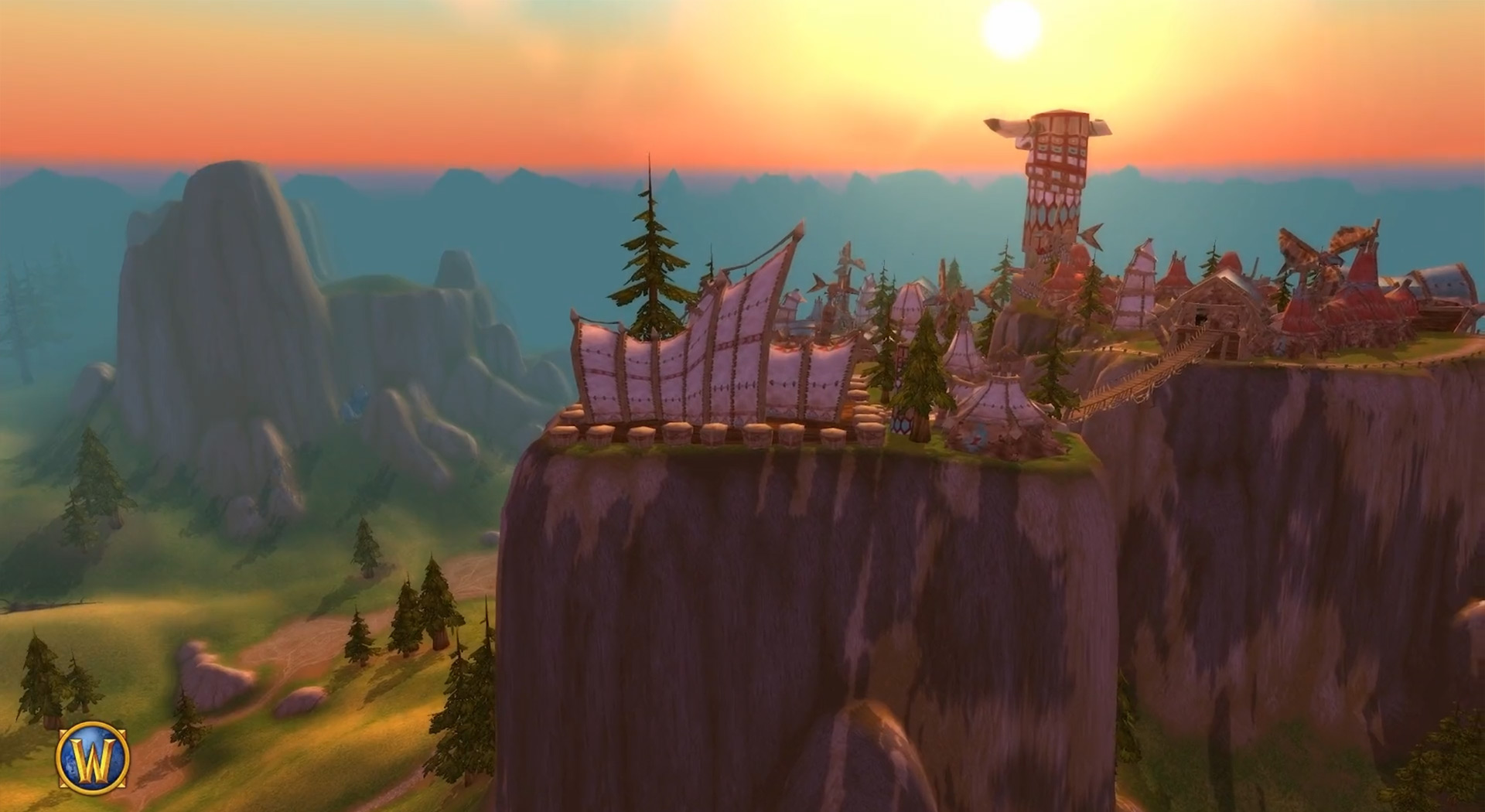
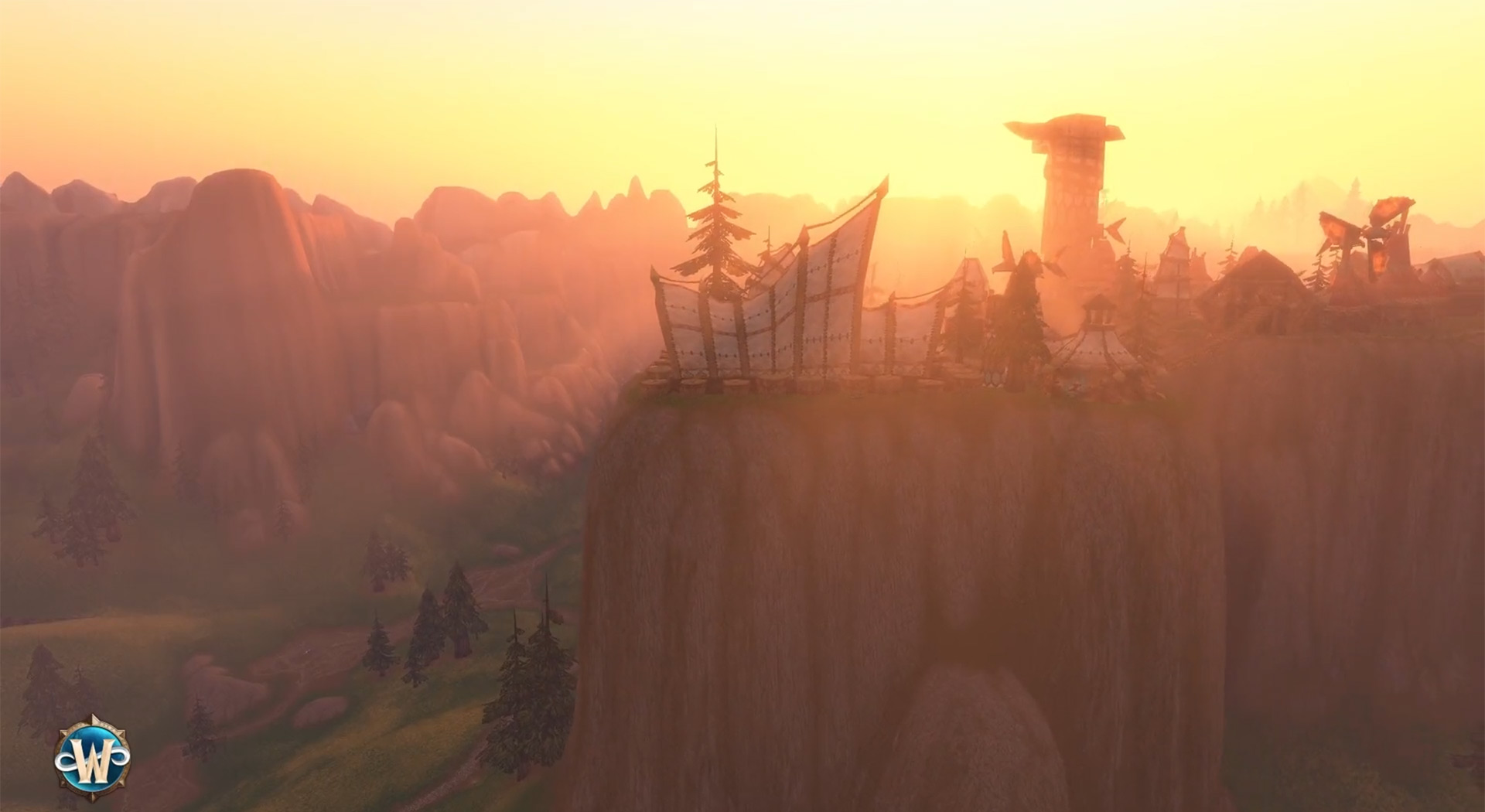
The counterargument comes down to how the footage was shot. Camera angles for the panel were chosen so the sun would shine directly into the lens from behind mountain peaks, and the developers noted on stage that sunrise or sunset won't be the permanent state of every zone. Volumetric effect density will be a graphics setting, so players will be able to lower or disable it entirely.
Whether this tech makes its way into the main version of the game remains an open question. The developers said they'll revisit it down the line, but it isn't a priority right now. The complication is that lighting gets tuned per zone, meaning the entire world across every expansion would need to be relit from scratch.
Release is set for November 4, 2026, and Forever exists outside the current story continuity of the live game.
- World of Warcraft: The Last Titan expansion will launch in 2027 and conclude a 20-year saga
- In November, Blizzard will release WoW Forever – the promised Classic+ with a new race, 9 dungeons, and 1000 quests
- World of Warcraft players report that characters continue to fight bosses even after disconnecting from the server