Dawn of War from 2004 with DLSS 5 causes split among gamers over art style again

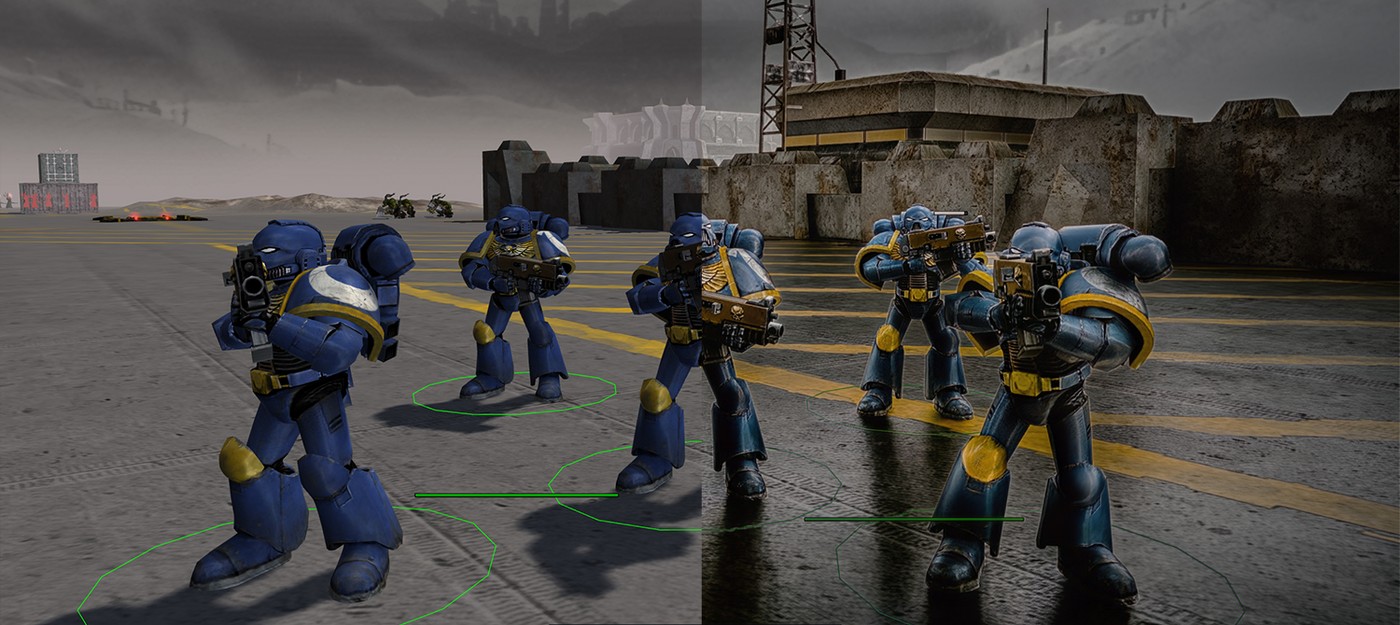
An RTX 5080 owner has spent the past few days running DLSS 5 through every old game they can find. The latest batch of screenshots came from the original Dawn of War, released 22 years ago. The reaction split so sharply that the discussion quickly turned into a debate over what the technology actually does to the original image.
Performance barely came up as an issue. Games this old run at 80-100 fps or more on RTX 5080 and above even with the full upscaling suite enabled. The same player already ran Crysis 2 through DLSS 5 earlier and posted clips toggling the technology on and off in the first few seconds of footage.
The real argument centered on how many processing passes were used. The player claims only one, but several commenters counted at least five based on the telltale blown-out look, noise, and cranked-up saturation.
One RTX 5080 owner put the complaint more gently than most:
Listen, I really love DLSS 5. But cut it out with the 3-5 pass implementations. The layering gives that old HDR overexposure look and it looks bad. One or two passes is plenty for posting.
Shadow placement drew separate criticism. Shadows in the shots land in different positions than in the original, even though DLSS 5 normally doesn't touch lighting geometry like that. Another observation concerned the source material itself – the technology only produces a noticeable effect where the base game already has decent lighting to work with.
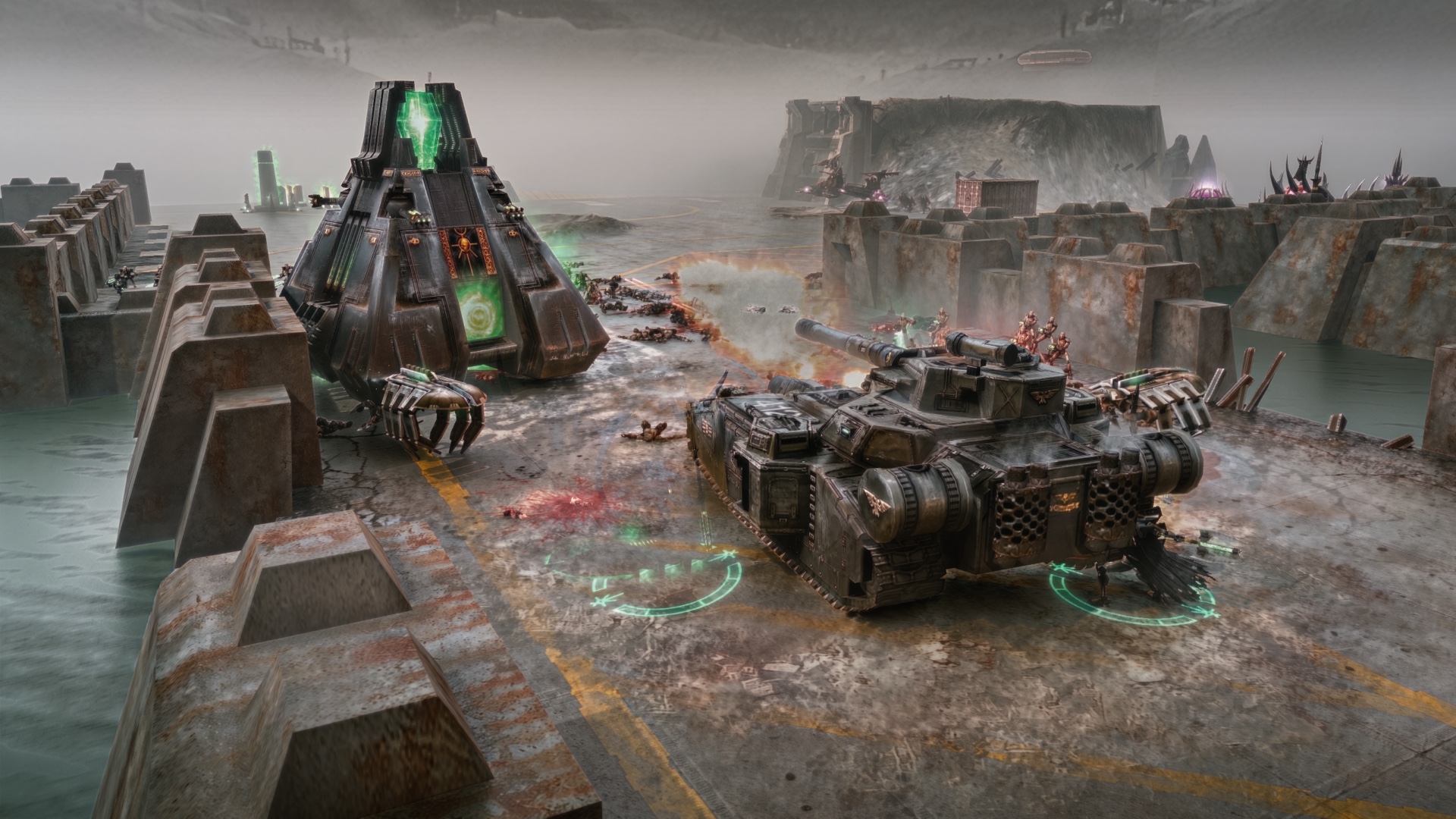
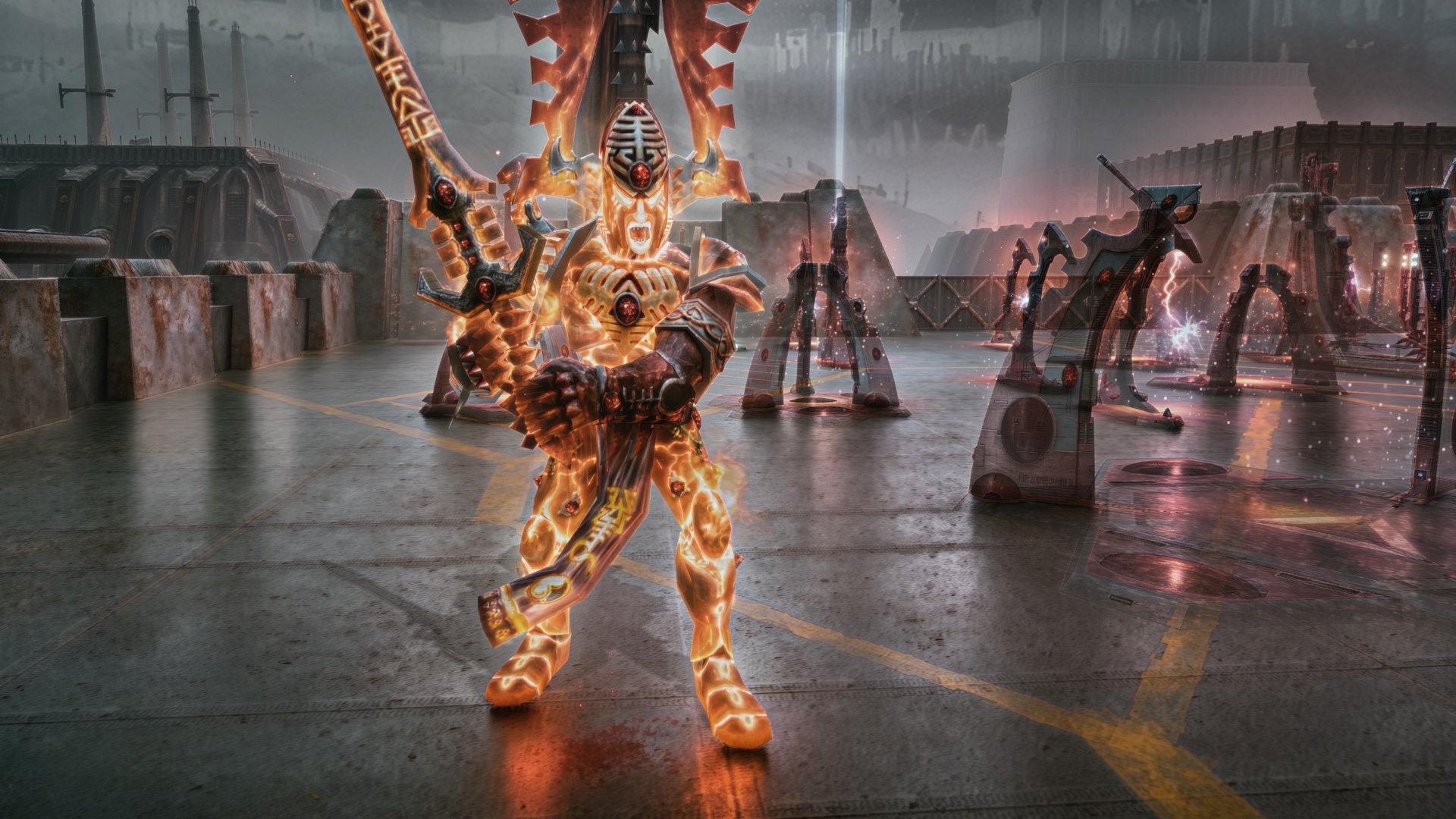
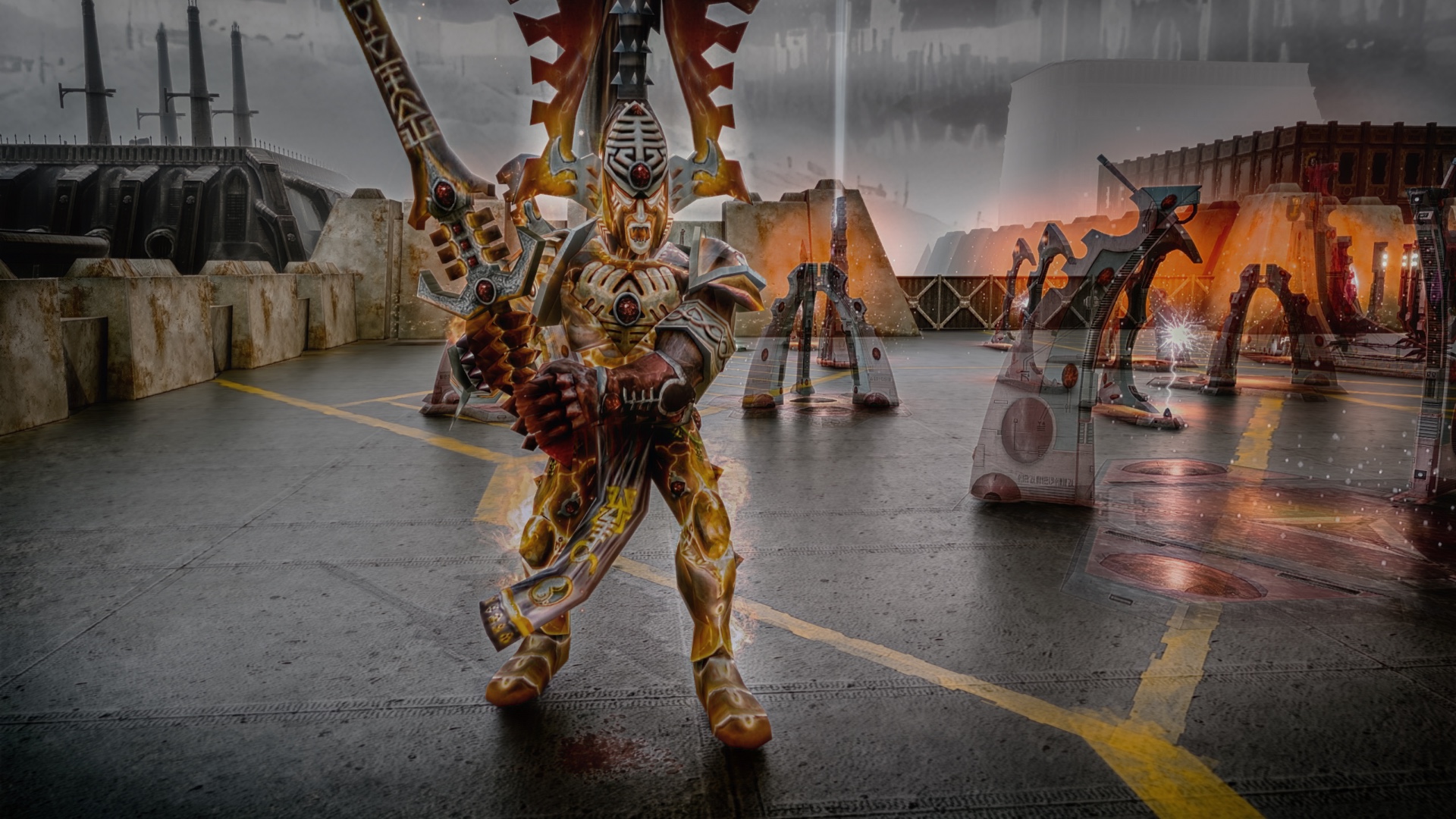
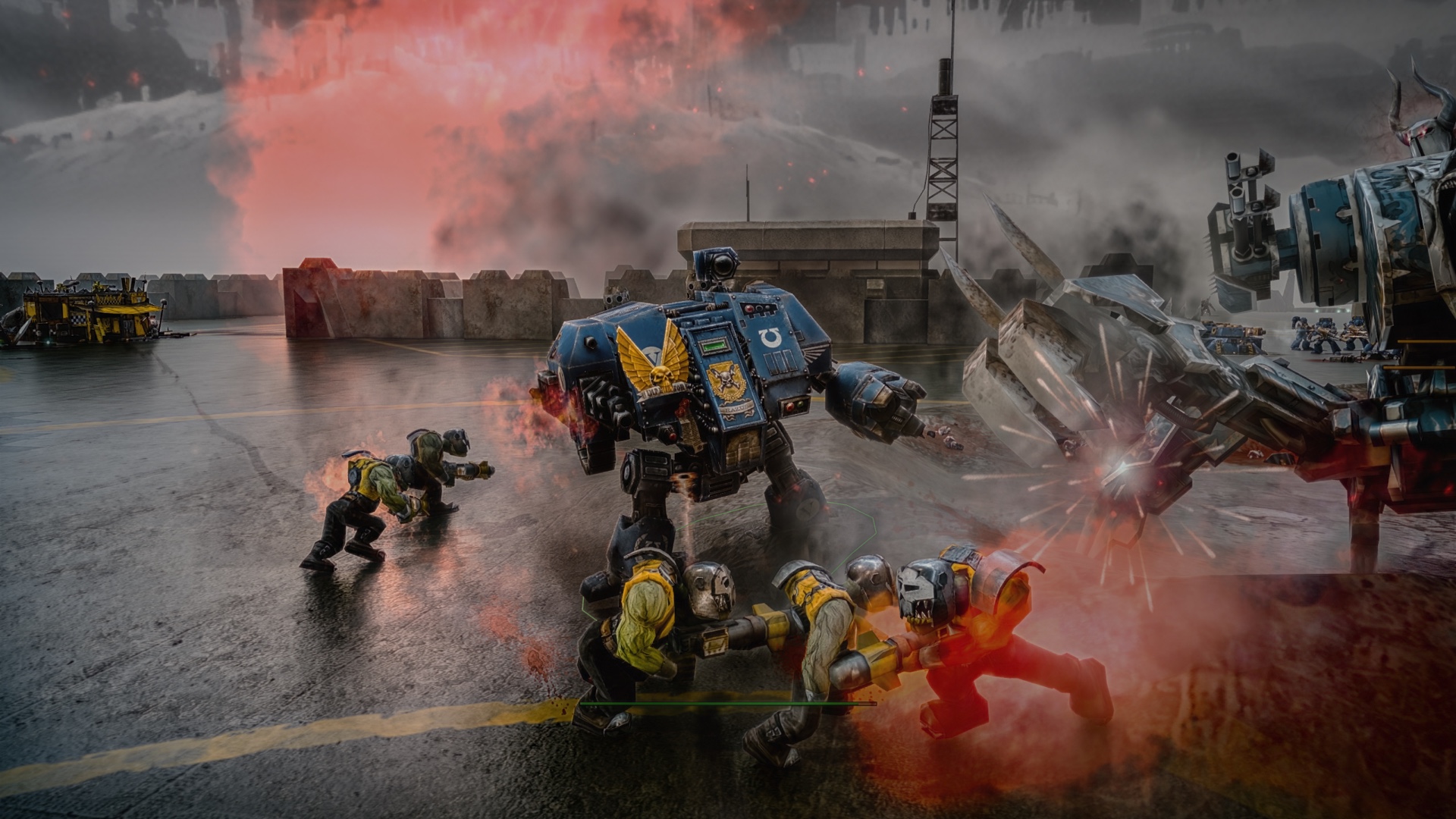
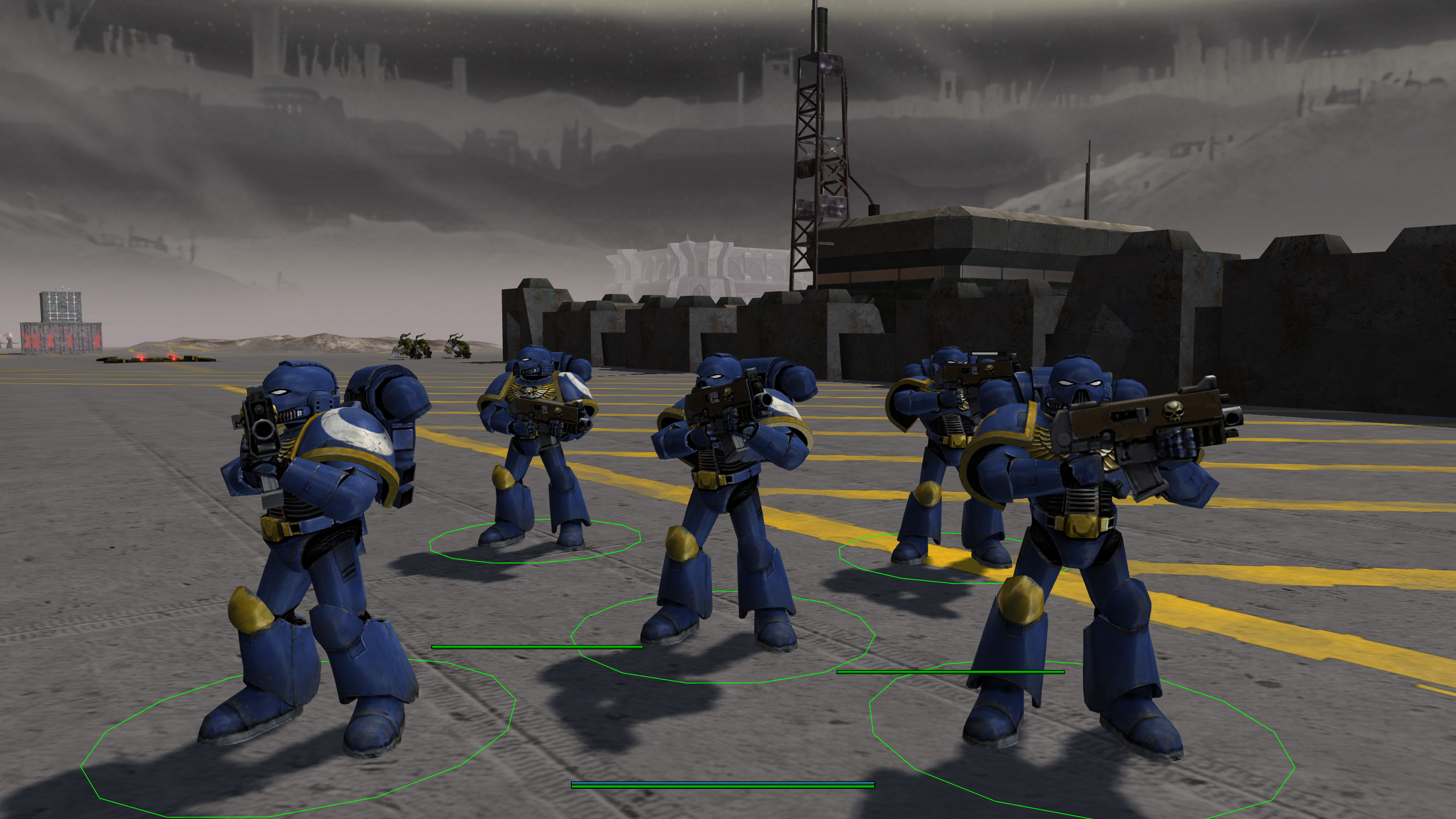
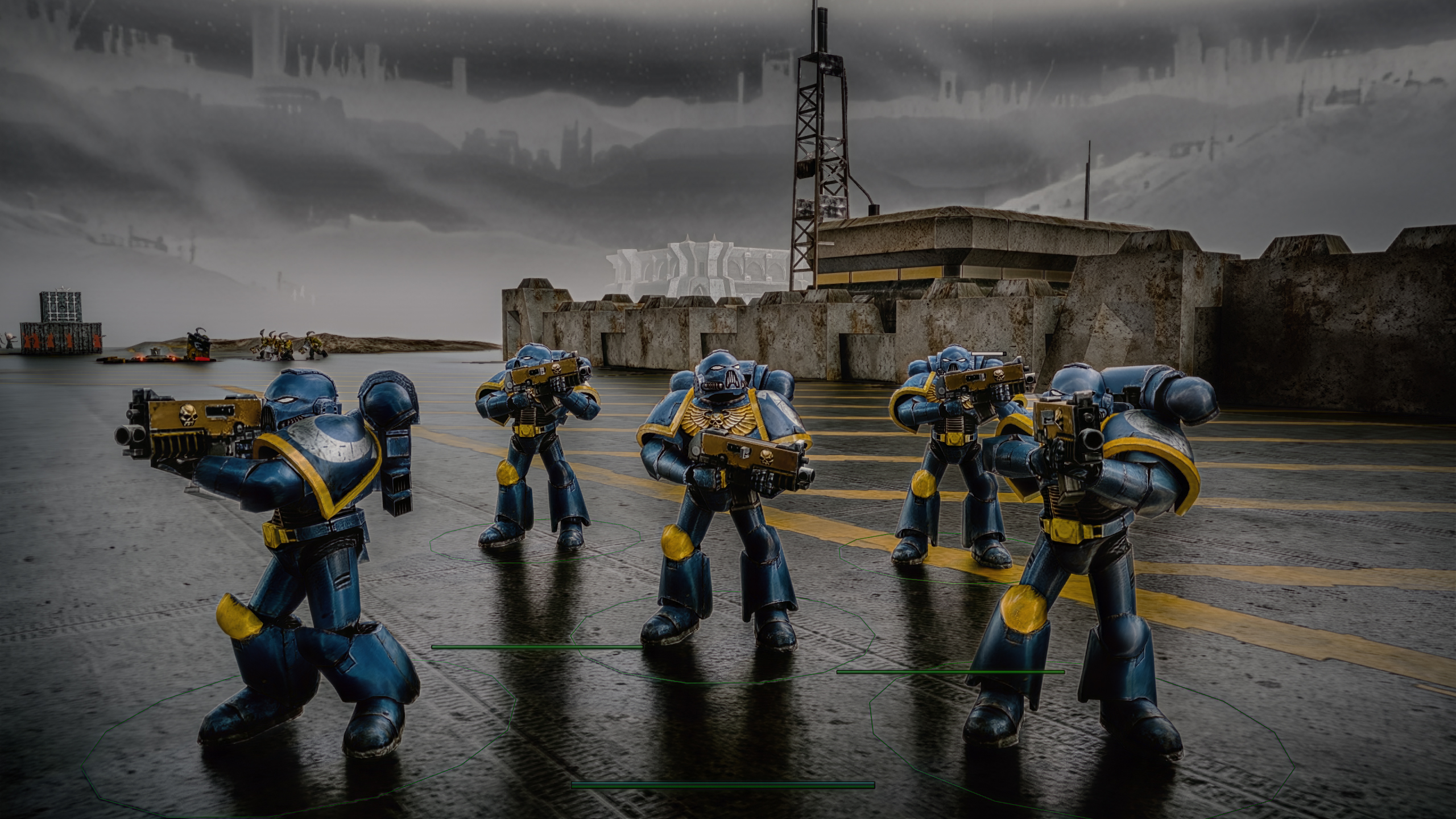
Part of the community considers this kind of intervention unacceptable. One commenter called the processing a disappearance of artistic style and compared the result to academic painting – technically impressive and artistically empty. The pushback boils down to the idea that applying a modern technology to old graphics doesn't accomplish much.
The opposite camp sees it differently:
They say it erases the artist's intent, and I think it proves the opposite. DLSS brings the image to life, adds proper shadow softening, and pulls the textures up to a modern standard without changing the artist's actual work.
Supporters add that the units on screen finally look like tabletop miniatures come to life. Comparisons ranged from first experiencing anti-aliasing back in 1999 to firing up a Nintendo 64 emulator on a big-screen TV. The most optimistic take is that this technology could effectively re-release two decades of good games all at once.
The biggest technical complaint isn't about color, though – it's about stability. Flickering shows up even in static screenshots, and it gets worse in motion. The player behind the shots admits the amount of flickering varies wildly by game and sometimes makes the result unplayable.
Requests to run other old games through DLSS 5 started pouring in right away:
Half-Life 2
KOTOR
Tribes 2
Chivalry 2
Age of Empires, Rise of Nations, and Company of Heroes
Halo Wars and Star Wars: Empire at War
There's no universal method here. The player put together a different set of tools for each game and said they'd try to reconstruct the process from memory for Dawn of War 3. 2D games barely change, according to them, while 3D titles see a real jump in quality.
- A player in Europa Universalis 5 completed a legendary achievement of the entire franchise and conquered the whole world as Ryukyu
- Blizzard released the Forsaken Kingdom campaign for Warcraft III Reforged with 30 hours of gameplay
- A Stellaris player asked if it's normal to have only three wins in 400 hours – and found out that's actually a lot