Sent an RTX 4090 in for warranty service and got back money from 2023

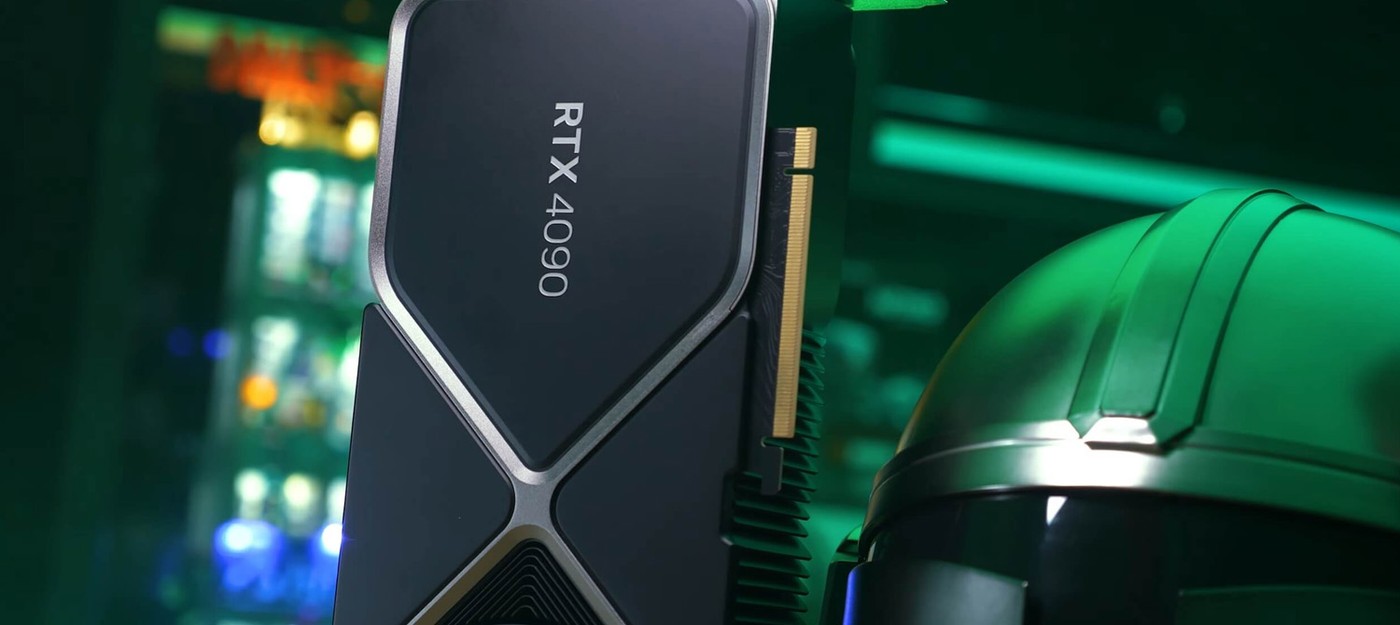
Warranty coverage is supposed to work as insurance against trouble, but in a world where graphics cards get more expensive faster than they wear out, it can end up working against the owner instead.
A full refund sounds fair enough, until it turns out the money won't buy even a rough equivalent today, and the card itself has already been scrapped.
This happened to a Swiss owner of an ASUS TUF Gaming RTX 4090 OG OC Edition with 24GB of VRAM, bought from retailer Galaxus in September 2023 for 1,569 francs with a three-year warranty running until September 5, 2026.
The card started dropping to a black screen under heavy ray tracing loads. Audio kept playing for another ten seconds or so before the system rebooted, and Windows dutifully logged LiveKernelEvent 141 each time. The claim went in on August 27, Galaxus confirmed receiving the card on August 31, and on September 8 the owner got a credit note for the original purchase price along with a closed case, despite having explicitly chosen repair or replacement on the form.
The most interesting part of this whole mess is the diagnosis the owner ran himself. Sensors showed a hotspot around 112°C against a core temperature of only 68°C – a gap of nearly 44 degrees.
A delta like that points to degraded thermal contact between the die and the cooler baseplate nine times out of ten, and the fix usually amounts to replacing the paste or swapping in a PTM7950 pad, an hour of work with zero soldering involved.
The service center still declared the card a total loss. When asked to return the unrepaired board, the response was pure bureaucratic boilerplate:
The defect was so severe that the product could no longer be repaired. In such cases, our policy requires that the device be properly disposed of as electronic waste—which, unfortunately, has already been done in this instance.
The legal side of things doesn't favor the buyer much in Switzerland. The statutory warranty there, same as in the EU, runs two years, and anything beyond that gets regulated far more loosely, letting the seller set terms that leave the choice between repair, replacement, or refund entirely at their own discretion.
For comparison, repair technician and right-to-repair advocate Louis Rossmann faced a similar situation with a Samsung SSD and took it to court, winning compensation based on current market price rather than the old receipt total. That route, though, tends to require either a following of millions or a willingness to file a small claims case.
There's also the economics of the whole thing to consider. RTX 4090 chips and memory now cost noticeably more than they did a year and a half ago, and refurbished cards from this generation are selling at prices nobody would have expected back in 2023.
Writing off a board as scrap, refunding the buyer based on an old receipt, and never explaining what actually happened to the hardware turns out to be a remarkably profitable sequence of events.
- RTX 4090 servicing photos confirm that you shouldn't smoke near your PC
- Gamers decided that the RTX 5090 can no longer be called a gaming graphics card – it has become too expensive
- The Witcher 4 will support Path Tracing and RTX Mega Geometry for maximum world detail