Replacing thermal paste boosted FPS on RTX 2080 Ti almost twofold and lowered hotspot temperature by 10 degrees

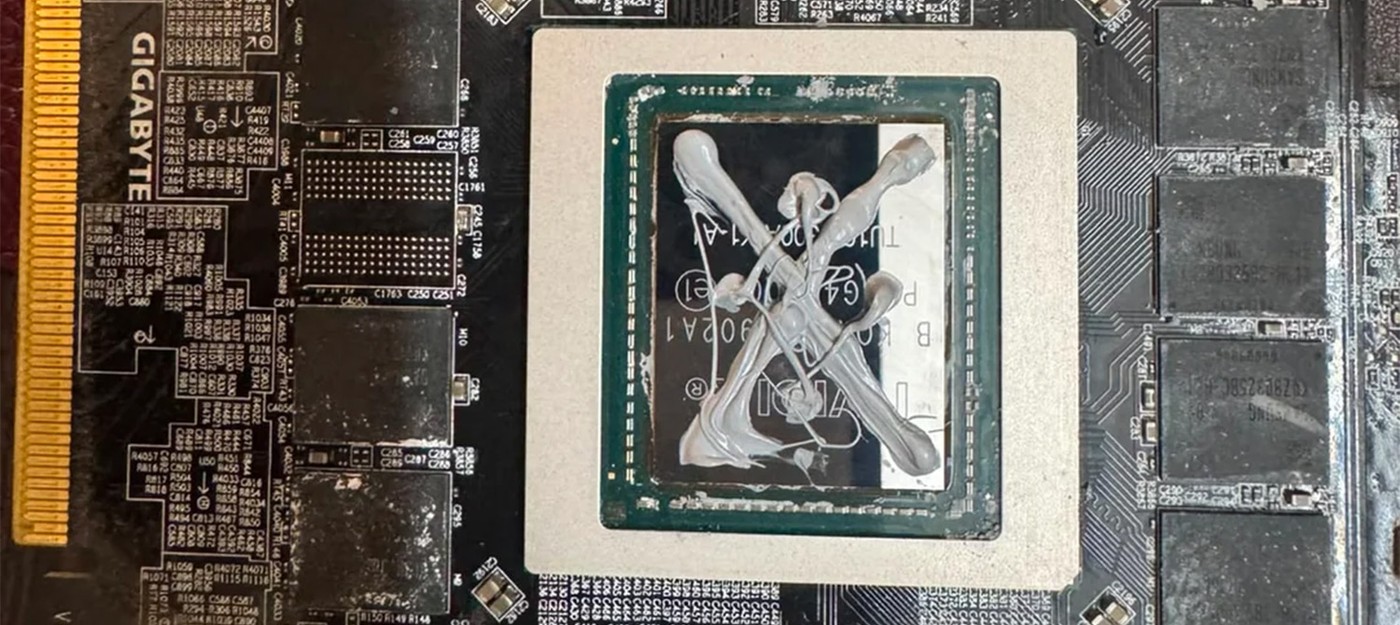
A GeForce RTX 2080 Ti owner discovered that years of dried-out thermal paste had been quietly stealing half of the card's performance. After a quick repaste, the GPU started pushing out nearly twice the frame rate in the same scenes.
Redditor u/Annihilator31YT shared the story on r/pcmasterrace. Their RTX 2080 Ti had run for several years without ever being opened up, and the hotspot sensor was reading as high as 107°C while the average GPU temperature stayed under 80°C.
A gap of nearly 30 degrees between the average reading and the hotspot is a textbook sign that the thermal interface between the die and the cooler baseplate has degraded. Paste dries out, loses its consistency, and stops moving heat away from the hottest part of the chip effectively.
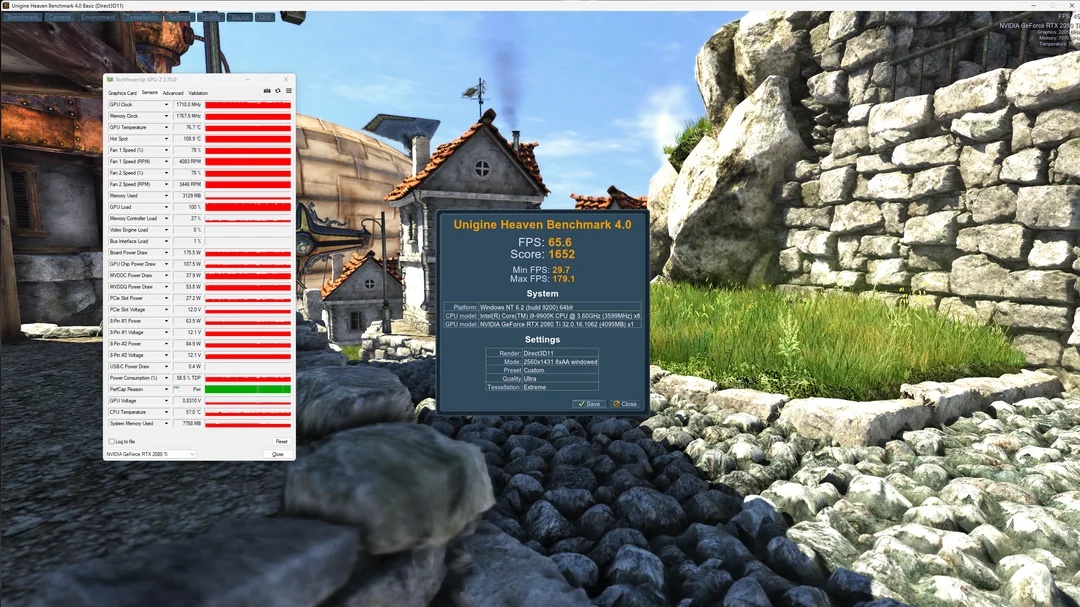
Before doing any work on the card, the user ran two benchmarks – the synthetic Unigine Heaven 4.0 and Wuthering Waves. In both cases, once GPU usage hit roughly 100%, the hotspot consistently crossed 100°C, forcing the card to throttle its clocks.
After tearing the card down, the old thermal compound was cleaned off completely and replaced with Arctic MX7. The follow-up numbers showed a difference too large to chalk up to margin of error.
In Unigine Heaven 4.0, results jumped from around 65 to 106 frames per second. In Wuthering Waves, frame rates climbed from 25-30 FPS to 55-65 FPS.
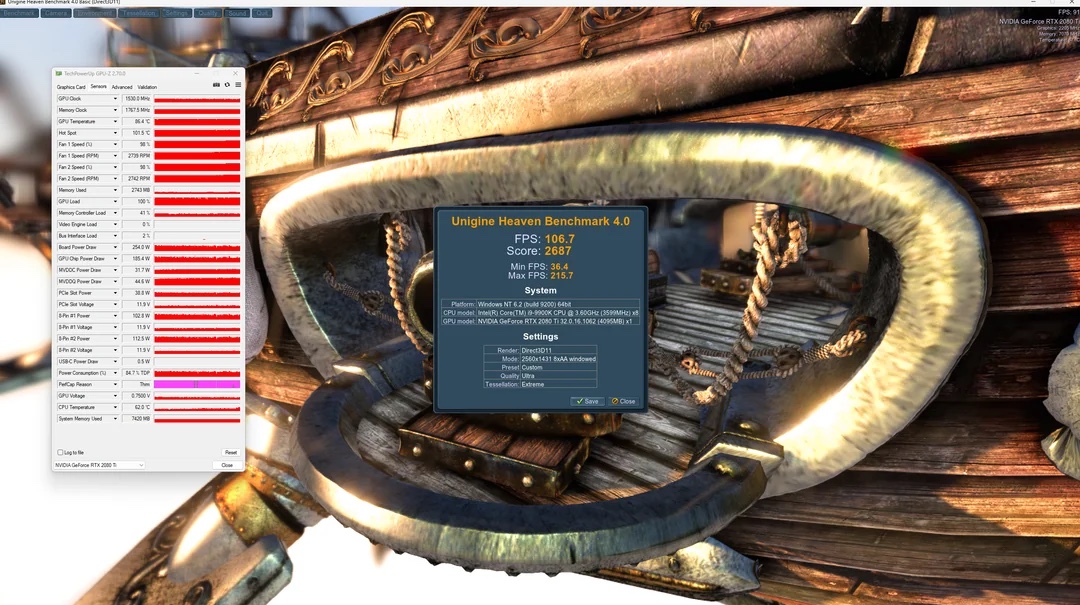
The hotspot still hovers around 97-100°C, so the card is far from perfect condition. Even so, dropping the temperature by just 7-10 degrees was enough to stop the automatic clock-management algorithm from aggressively cutting boost.
This is exactly how thermal throttling works – the chip doesn't shut off or throw errors, it just quietly lowers clocks and voltage to stay within safe limits. Users are left seeing a lower FPS with no warnings whatsoever.
Owners of newer RTX 50 cards should keep one thing in mind. Hotspot temperatures above 100°C are common on these GPUs and don't automatically mean the card is throttling, but consistently crossing that mark is still worth a closer look at cooling.
This matters most for cards that have spent years under constant load, whether from gaming, rendering, or compute workloads. The gap between core temperature and hotspot remains the simplest indicator of paste condition, and it can be tracked with monitoring tools like HWiNFO or GPU-Z.
It's worth remembering that opening up a graphics card usually voids the warranty, and some models also require replacing thermal pads on the power delivery and memory chips.