How "potato PCs" with 4 GB of RAM survive into 2026 and what OS they run on

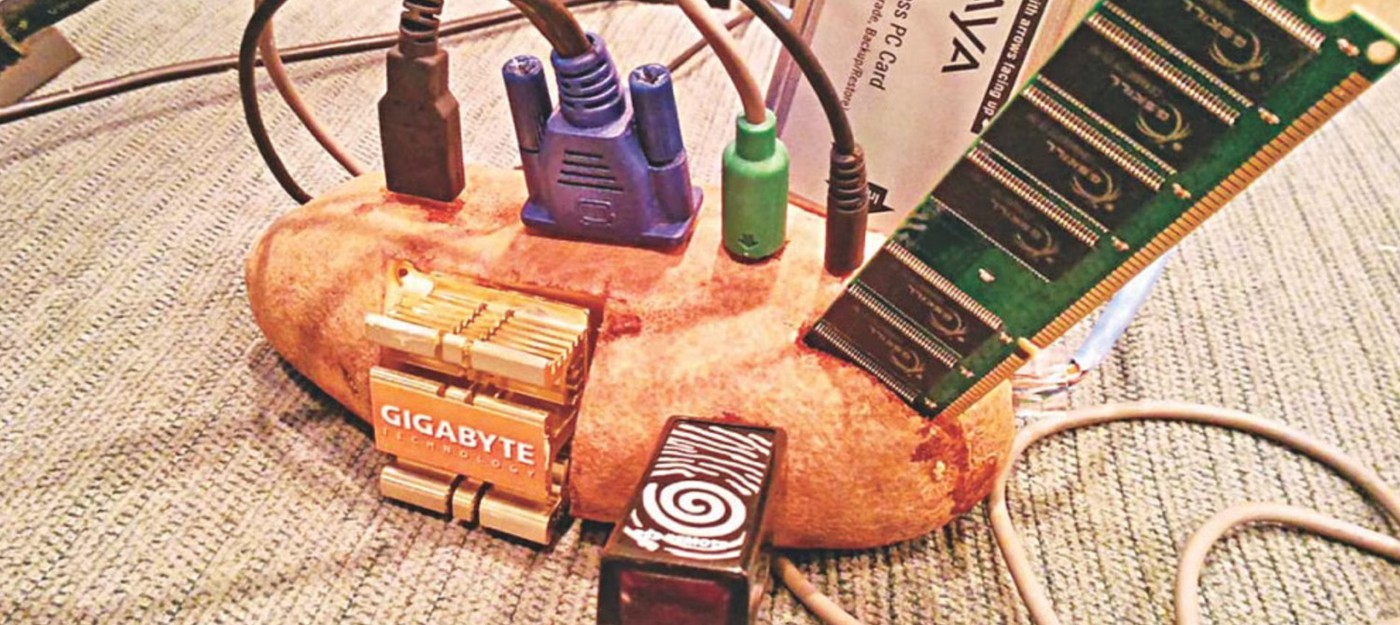
The concept of a "weak computer" has drifted so far over the past decade that hardly anyone agrees on where the line sits anymore. Machines with 32GB of memory, eight-core Xeons, and a GTX 1080 get filed under potato PCs these days, while actual veterans running Core 2 Duo chips quietly sit nearby, still managing to play videos in a browser.
The latest round of old-hardware soul-searching kicked off with a Dell Vostro 3546 – 4GB of DDR3, a mechanical 512GB hard drive, and Ubuntu running on top of it all.
The owner, who recently started an engineering degree, noted that after switching away from Windows the machine got noticeably more responsive and now handles basic tasks without issue. For a setup where the browser alone eats up half the RAM, that's not a minor detail – it's the difference between "it works" and "it doesn't."
The mechanics behind this are pretty down to earth. Lightweight desktop environments like XFCE or Cinnamon run far fewer background services, skip the constant antivirus file scanning, and don't come with telemetry or updates that wake up at the worst possible moment.
The list of distros that keep coming up in these conversations stays fairly consistent:
Linux Mint with XFCE or Cinnamon – the go-to pick for Haswell-era hardware and old laptops like the Dell Latitude E5440
Fedora with KDE – for slightly beefier machines where spending resources on Plasma isn't a problem
Bazzite and CachyOS – for turning an old PC into a gaming console with a Steam Deck-style interface, with both offering dedicated images for handheld/gamepad mode
EndeavourOS and Garuda – for anyone who wants AUR access and the Arch approach without building the system by hand
The Windows camp hasn't disappeared either, it's just gone on the defensive. Windows 10 support ended on October 14, 2025, and some old-hardware owners have moved over to LTSC editions – IoT Enterprise LTSC 2021 officially keeps getting security updates until January 2032.
The far edge of the spectrum looks pretty exotic. Laptops running Core 2 Duo T7500 and T8300 chips still play YouTube, but only through extensions that force the site to switch from VP9 and AV1 to H.264 – otherwise hardware decoding never kicks in and the CPU hits a wall.
Old Intel Macs are still running High Sierra and Catalina, where Boot Camp lets you install Windows, and anyone who wants to can just boot from an external drive by holding Option at startup to get Mint running on a 2015 MacBook.
One particular detail from this whole discussion stands out – the collective confusion over time. Pointing out that ten years ago wasn't 2008 but 2016 stirred up way more reaction than the hardware list itself.
- Gamers chose the Fallout faction they would join if survival depended on common sense
- Gamers decided that the RTX 5090 can no longer be called a gaming graphics card – it has become too expensive
- Warhammer 40,000 experts calculated how many Imperial Titans are needed to take down a Reaper from Mass Effect