The movie Oblivion with Tom Cruise predicted 13 years ago how AI would suck water from Earth

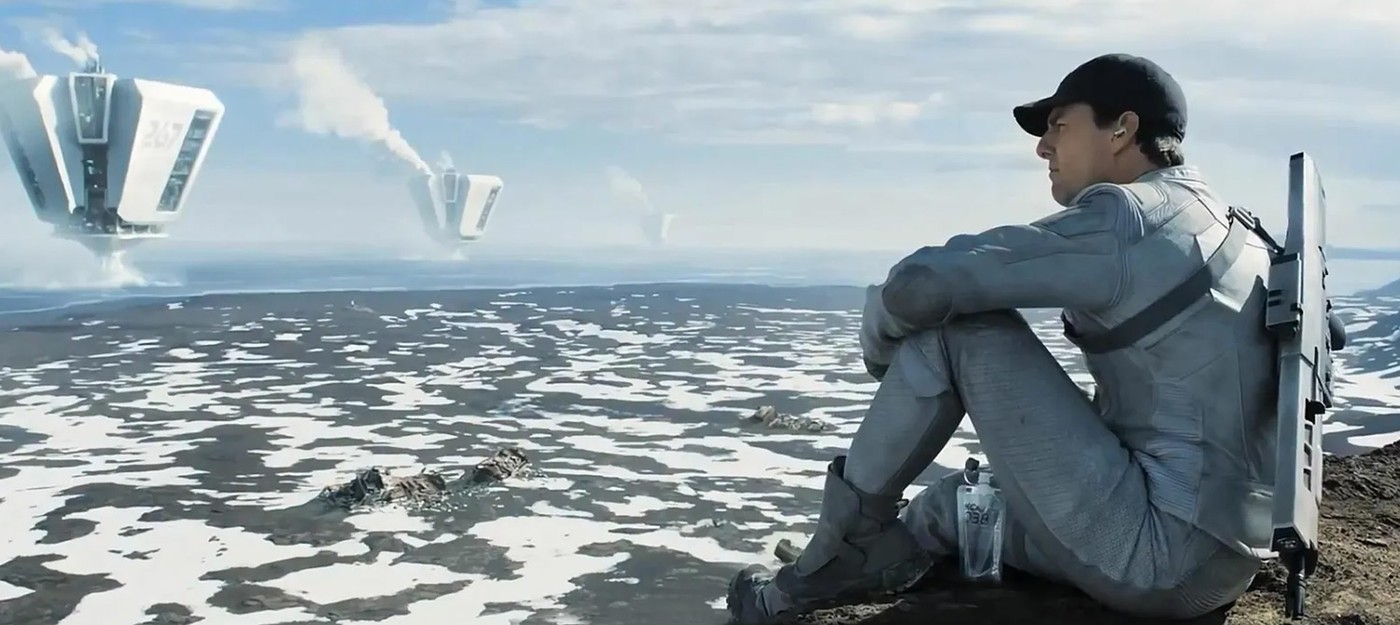
A joke about the 2013 movie Oblivion made the rounds online recently, framed around the idea that thirteen years ago, draining the oceans to power a giant AI was treated as bad news rather than a business plan.
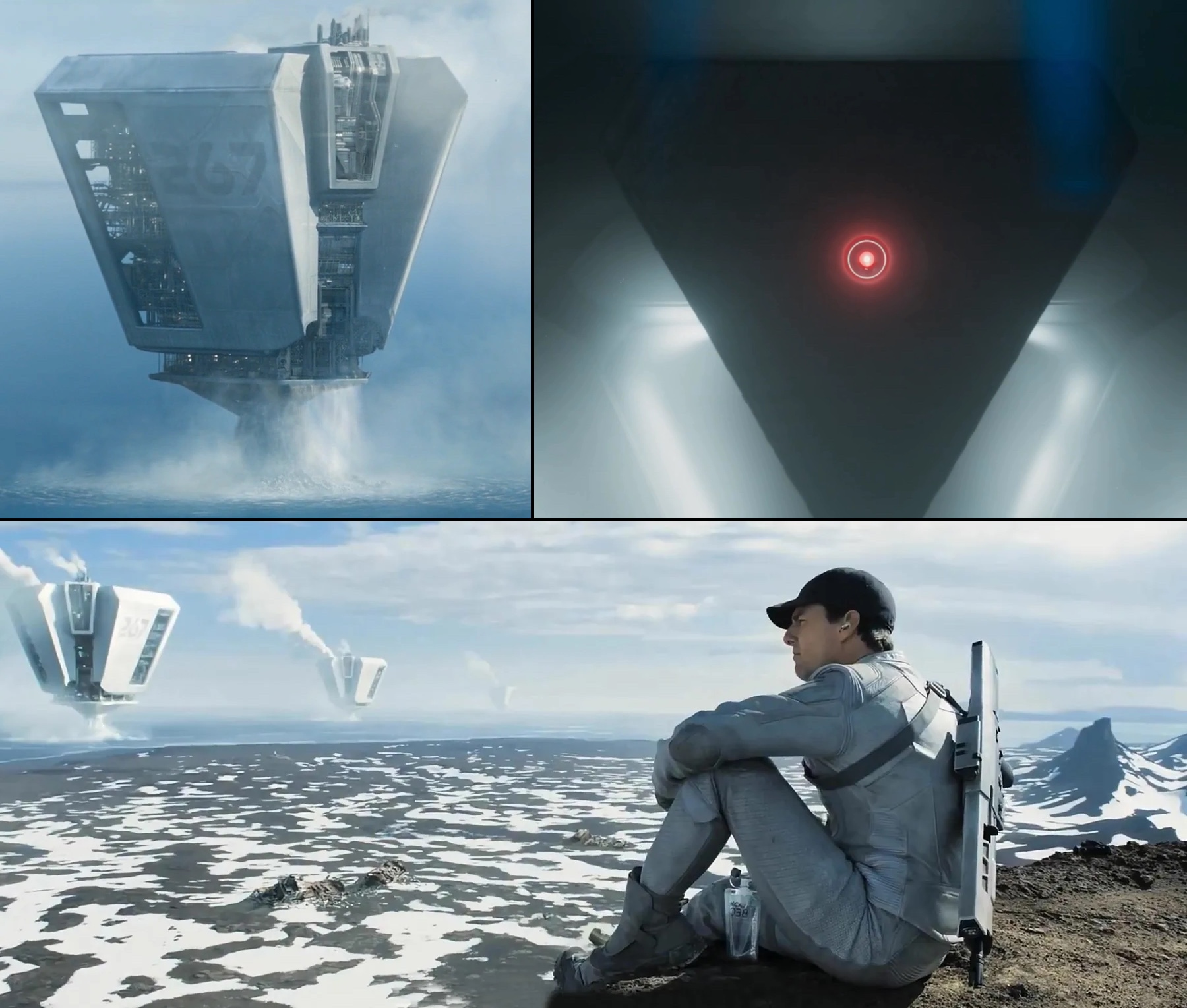
In Joseph Kosinski film, massive flying platforms pull water from the seas and ship it up to an orbital station called Tet, run by an alien artificial intelligence. Tom Cruise plays a technician who maintains the security drones protecting the operation.
The comparison falls apart pretty quickly once you look at the actual plot. The platforms in the movie convert seawater into fusion fuel, not coolant for computing hardware, and the term "data center" never comes up. Tet is an alien war machine, not a server farm.
Real data centers rely on fresh water rather than seawater, since salt and mineral buildup would wreck the heat exchangers through corrosion.
Direct water use at US data centers climbed from 21.2 billion liters in 2014 to 66 billion in 2023. The International Energy Agency estimates a 100-megawatt data center burns through roughly 2 million liters a day. Projections for 2030 point to direct consumption in the country growing three to six times over current levels.
The real issue isn't the total volume – it's where that water gets used. Nationally, data centers account for about 0.2% of US freshwater consumption, less than what goes toward watering lawns and golf courses. Still, two-thirds of new hyperscale sites built since 2022 sit in counties facing high or extreme water stress.
Local pushback has already forced changes. A Chilean environmental court partially revoked Google permit for a data center in Cerrillos over threats to the local aquifer, prompting the company to redesign the site around air cooling instead. In Uruguay, construction of a facility in Canelones coincided with the worst drought since 1950 and triggered protests, while in Memphis, the xAI supercomputer project needed an $80 million wastewater treatment plant built just to move forward.
Microsoft, meanwhile, is rolling out closed-loop cooling systems that skip evaporation entirely at sites in Phoenix and Mount Pleasant. The system gets filled with water once during construction and then just circulates through the loop, cutting annual water use by more than 125 million liters per facility.