Cyberpunk 2077 does have cyberpsychosis mechanics after all, and every player ends up reaching it

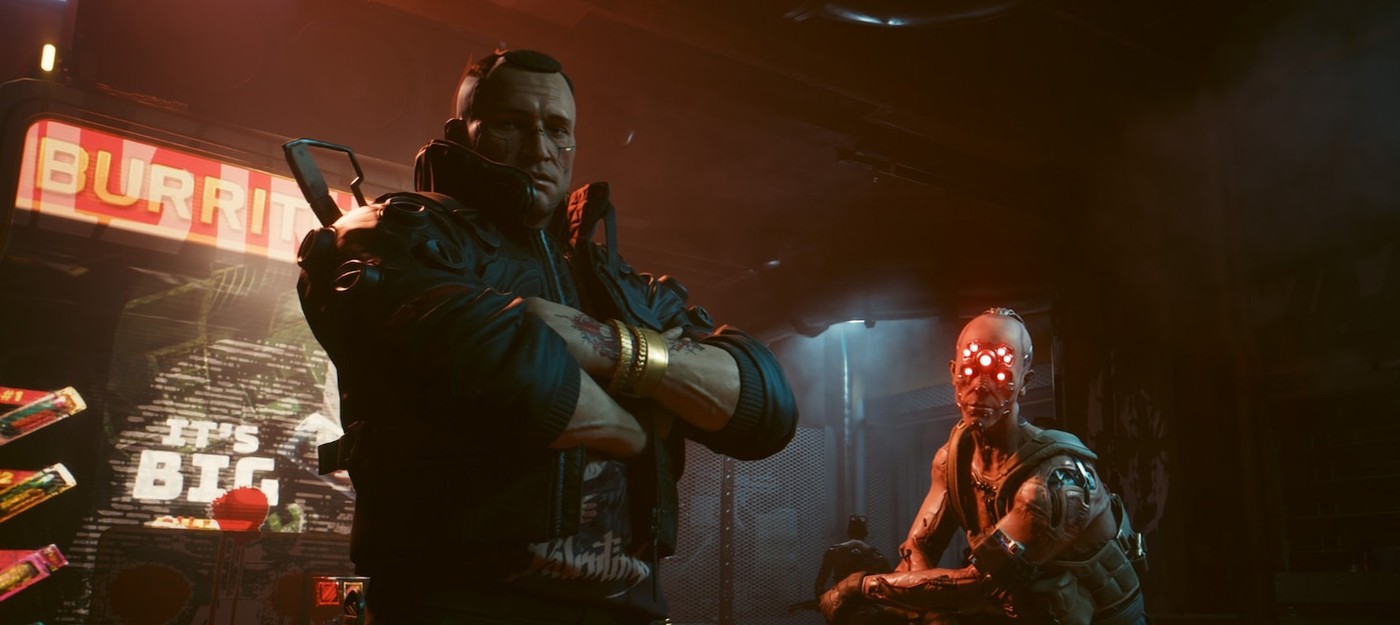
Cyberpunk tabletop games ran on a simple deal for decades: want metal arms, pay with a piece of your humanity. In Cyberpunk 2077 that deal got quietly dropped, and it turns out that without it players reach the same breaking point on their own, no interface numbers required.
The observation that kicked off the whole thread reads almost like a confession: someone expected a cyberpsychosis mechanic, got surprised that implants only gave bonuses with zero downside, and by late game caught themselves wiping out every gangoon they crossed paths with simply because the combat felt too good to pass up.
Turns out the mechanic worked after all, just not in the code. It got implemented in the player's own head instead, and apparently everyone who played the game hit that same point eventually.

In the original Cyberpunk 2020 tabletop game and its successor Cyberpunk RED, everything worked like strict bookkeeping. Every implant drained Humanity points, Humanity tied directly to Empathy, and hitting zero meant losing control of the character along with a visit from MaxTac.
CDPR scrapped that system entirely. In the game, the limiter became the body's cyberware capacity, and after the 2.0 update players even found ways around it using perks like "Chrome Compressor." The only trace left of the old idea is Regina Jones handing out 17 gigs to hunt cyberpsychos, where the madness always belongs to somebody else.
The universe itself stays oddly inconsistent on the topic, and that seems intentional. Some cyberpsychos from side quests snapped from trauma, debt, a military past, or a corporate experiment rather than the amount of chrome in their bodies, and one turned out to be possessed by an AI from beyond the Blackwall entirely.
The most interesting thread in the discussion tackles how this mechanic could have actually been made genuinely unsettling. Not a sanity bar sitting in the corner of the screen, but a breakdown of the interface players have trusted for twenty hours straight:
You strolling in the street and suddenly your chrome alerts you that you are being detected and the detection icon appears on a civilian and is fulling up. If you have Kerenzikov, it kicks in. You are on full alert. Hours of gameplay tell you you need to draw your weapon and shoot NOW! You don't really see where the danger is coming from, you only see a bunch of meatpacks. But you trust your chrome. What do you do?
The idea could be pushed even further: Add a stress meter (preferably hidden, but with the option to make it visible) that builds up due to traumatic events in the story along with extreme acts of violence and seeing civilians killed. Cyberware doesn't build stress but instead increases how fast it builds and slows the decay.
Lowering that meter would take sleep, food, therapy, and time with loved ones, exactly the things the game never gives players a spare minute for. Something similar already got tried in Vampire: The Masquerade – Bloodlines back in 2004, where low humanity stripped players of control and turned dialogue lines openly hostile.
- Gamers are delighted with a graphical bug in Cyberpunk 2077 that lights up the entire city
- Skyrim fan only learned after 200 hours in the game that he was supposed to sleep in a bed
- Cyberpunk 2077 fans appreciated the concept of Johnny Silverhand through millennia, from a cave painting to "Star Wars"