Phison's head believes that the shortage of NAND flash memory and the rising cost of SSDs will last another four years

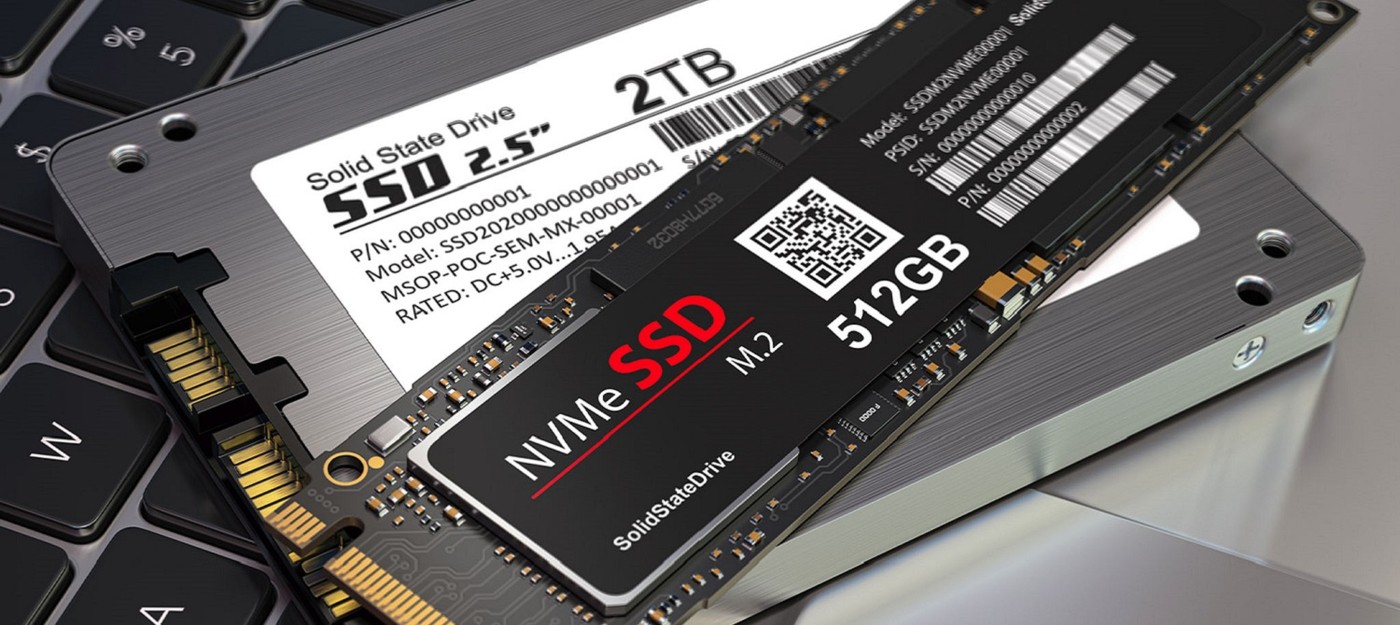
The memory crisis that kicked off in 2025 and already rewrote RAM and SSD price tags worldwide isn't slowing down anytime soon, according to the latest comments from the industry. Phison CEO Pua Khein-Seng laid out his outlook for 2026 and beyond, and there isn't much reason for optimism.
Pua expects NAND flash prices to keep climbing, with roughly four years needed before supply and demand find any real balance. Counting from now, that pushes full market recovery out to 2030 – not exactly a comforting timeline for anyone hoping prices settle soon.
The core issue comes down to how NAND production actually works. Pua noted that it takes about four years from the moment a company invests in a new plant to when that plant starts shipping finished product. Ground has already broken on new NAND facilities, but the payoff from that investment won't show up on store shelves for a while yet.
Pua also pointed to AI infrastructure demand, which he expects to keep climbing through early 2027. Phison is stockpiling inventory now to keep its own supply steady over the next two years.
Micron executive Sumit Sadana made a similar point last week, explaining why memory wafer fabs can't just be spun up overnight. An AI data center can go up in a matter of months, but semiconductor manufacturing needs years of design work, lithography equipment procurement, and process tuning. These facilities simply don't appear overnight.
Storage might actually be worse off than system memory here. DRAM demand could theoretically ease up if the industry shifts toward smaller, less resource-heavy AI models. But the massive amounts of data that AI servers both consume and generate still need somewhere to live.
That's leading to a clear shift in strategy: Phison is pulling resources away from the retail market and putting more into enterprise and AI customers instead. For regular buyers, that likely means fewer consumer SSD options and slower refreshes of the lineup going forward.
It adds up to a rough picture for everyday consumers, with several factors working against the retail market at once:
AI infrastructure demand keeps climbing and is expected to intensify heading into early 2027
new production facilities won't reach meaningful output until close to the end of the decade
controller and module makers are deliberately shifting priorities toward enterprise customers
NAND has no obvious path to lower demand the way DRAM might
Memory price hikes have already spread well beyond individual components. PC and laptop makers have reworked their configurations, and rising costs for consoles and memory-heavy graphics cards have become background noise over the past few months. A 2TB drive that counted as a budget pick a year ago is now back to being a noticeable expense.
It's hard to picture consumer SSD prices climbing nonstop all the way to 2030 – the memory market has historically moved in cycles, with every peak eventually followed by a crash. But for now, both Phison and Micron are pointing in the same direction, and there's no sign of relief for anyone's wallet in the near future.