The Witcher 3 developer revealed that NPC mothers in villages dropped their babies on the ground for weeks

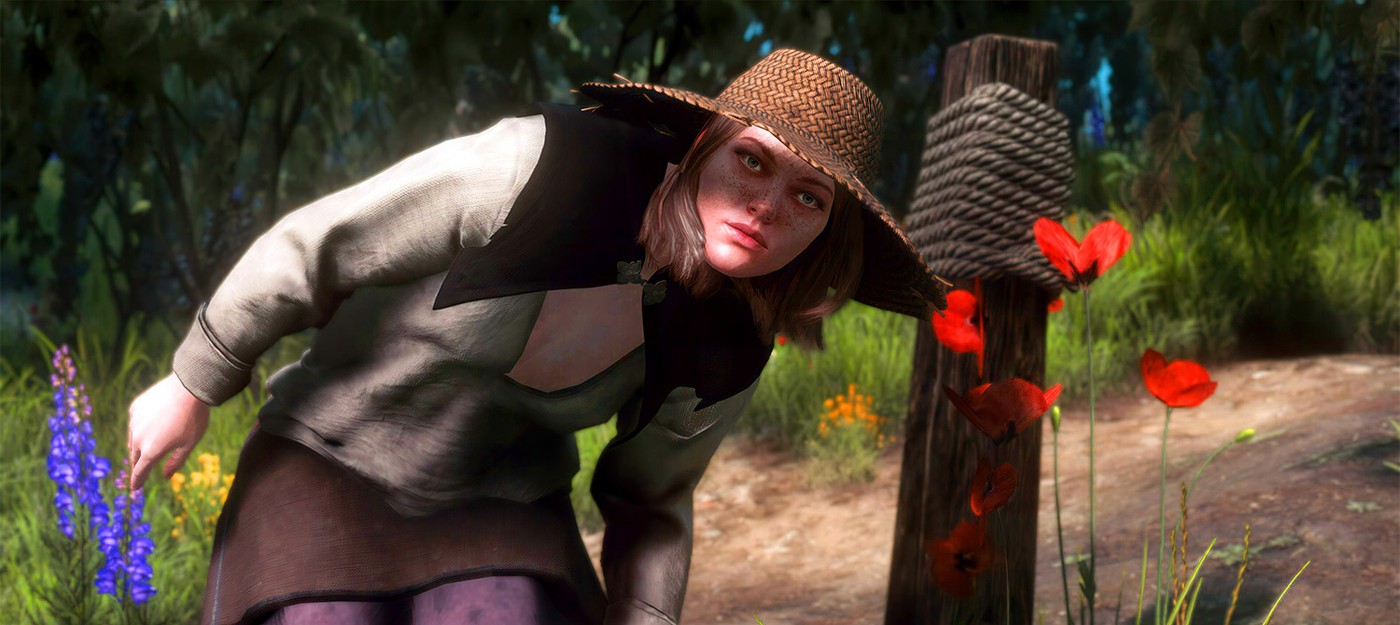
CD Projekt Red quest designer Philipp Weber explained how the studio nearly painted itself into a corner early in the production of The Witcher 3: Wild Hunt. The team focused on giving NPCs believable daily routines but put little thought into how villagers should react to the player.
The result: women would throw their own babies to the ground at the first sign of danger.
Weber shared these details in the latest issue of Edge Magazine. According to the developer, betting on rural settings created a problem of its own, since small villages tempt players to test the world's limits.
Philipp Weber, CD Projekt Red quest designer:
Because we were focused on the countryside, it was easier for players to become curious. If a village only has eight houses, people will want to see if the people truly exist in the world or if it's just fakery. Lots of people nowadays are interested in those kinds of details, and it really came to haunt us.
The studio now has a refined set of rules and tools for building NPC behavior, but back around 2012 things looked different. Weber noted that today's tech lets the team put together a full village in a couple of hours.
Today, if you said 'give me a Witcher 3 village that has eight houses', I could give you that in two hours.
Early in development, the team focused mainly on simulating villagers' day and night cycle, leaving little detail for how they'd respond to Geralt's actions. That imbalance produced the most memorable bug involving panicked NPCs.
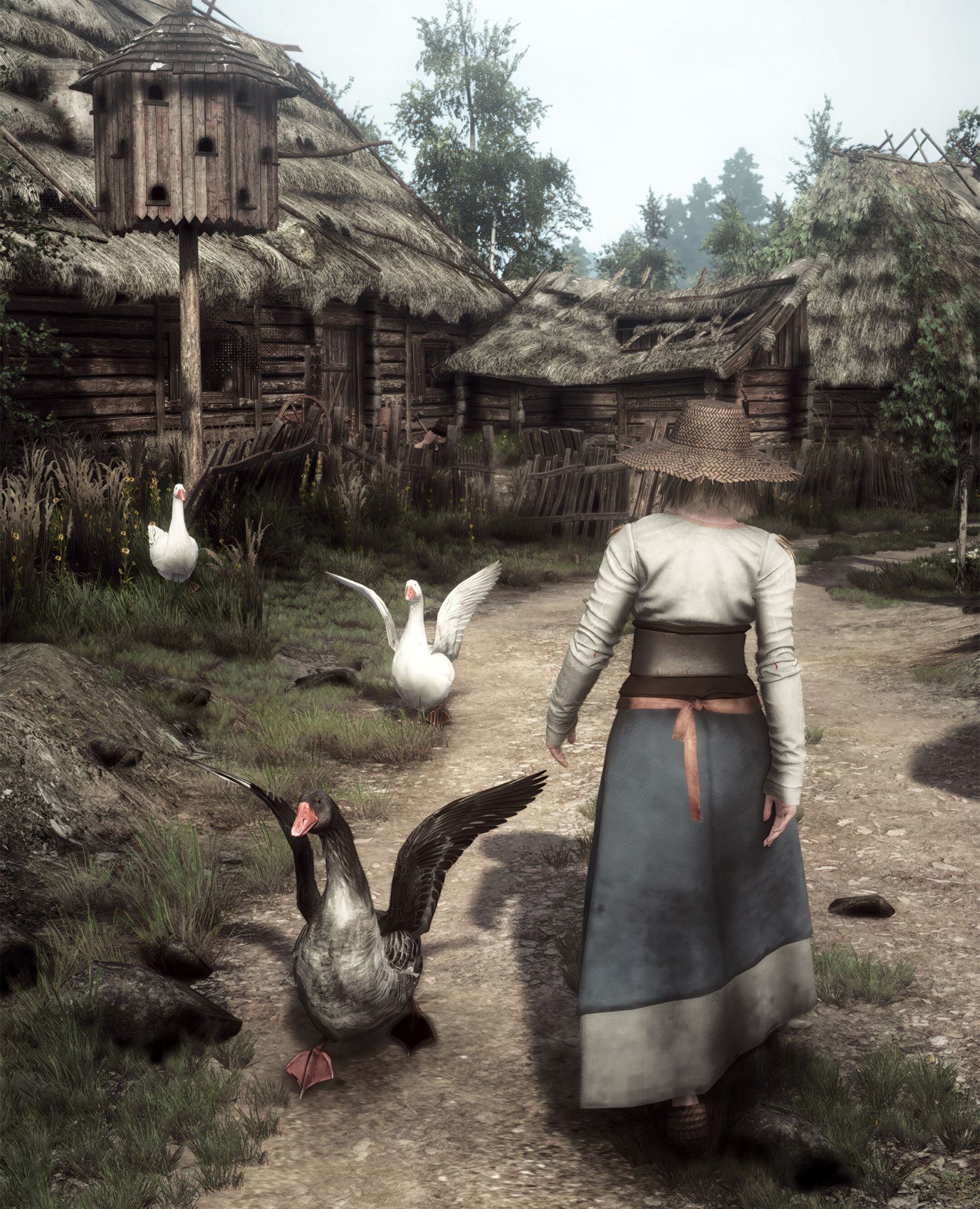
In most open-world games, drawing a blade in a peaceful village or firing a gun into the air sends bystanders dropping whatever they're doing and running for cover. The Witcher 3 villagers were programmed the same way – except "whatever they're doing" sometimes included holding a baby.
For a few weeks, women were just dropping their babies, left and right.
Weber also described the system behind crowd movement, which doesn't rely on fixed routes but rather on a set of points of interest. Each character picks where to go next and finds their own path.
Most NPCs in villages, we don't give them specific paths. We give them spots of interest that are available and then they're the ones doing the pathfinding: 'Once I'm done with woodcutting, I'll choose another point, and maybe do carpentry in front of my house'. For the 50 sailors at Novigrad harbour, for example, we made 200 possible spots, so even if all 50 were active at the same time, they would have options.
This approach cuts down the risk of characters clustering in one spot or repeating the same animations. Having four times as many points of interest as NPCs helps sell the illusion of a living harbor rather than a stage full of extras.
Even so, the point-of-interest architecture on its own doesn't tell the game how villagers should behave in an emergency. Panic logic gets written separately, and its first version didn't account for the fact that some characters might be holding something more important than a basket of fish.