Farmer family rejected $26 million for selling land for a data center

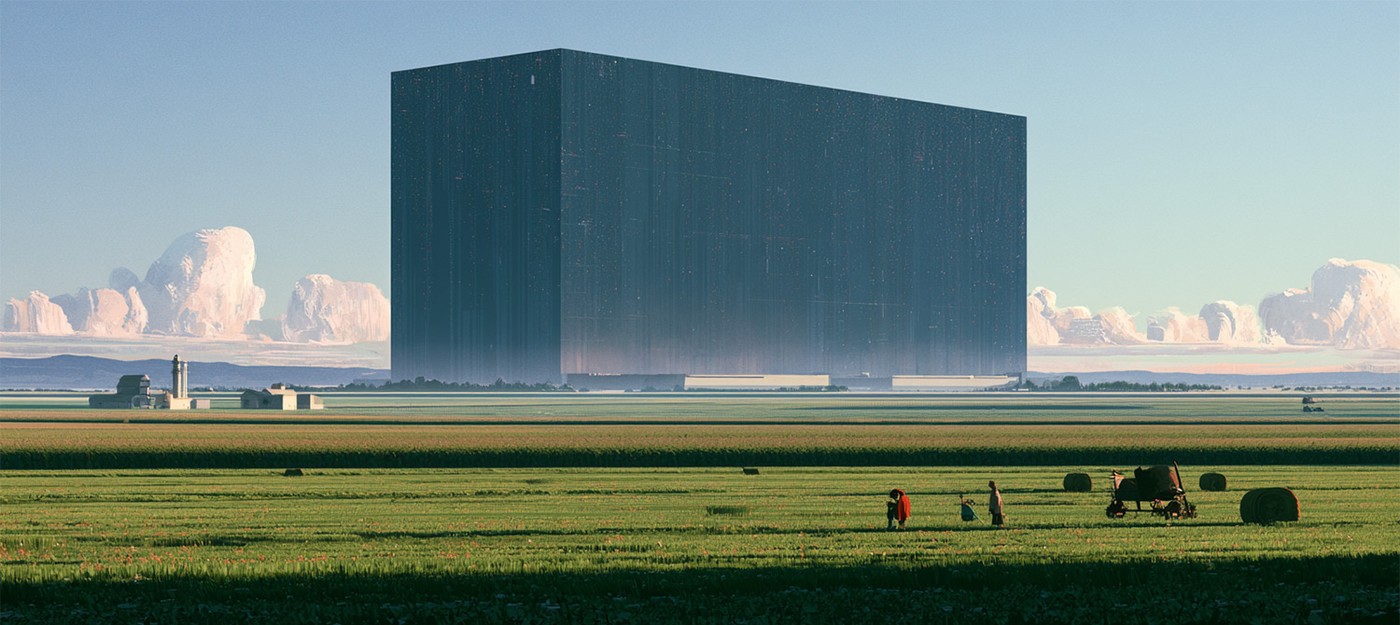
Tech companies are pouring billions of dollars into massive data center construction across the US amid the ongoing AI boom, but not everyone is willing to sell their land.
An 82-year-old Kentucky farmer and her family rejected an offer of more than $26 million to give up roughly half of their 1,200-acre family farm. An unnamed company wanted to buy the land for a massive data center project.
Ida Huddleston told local outlet WKRC:
They call us old stupid farmers, you know, but we're not. We know whenever our food is disappearing, our lands are disappearing, and we don't have any water – and that poison. Well, we know we've had it.
Family farm fed the hungry during the Great Depression
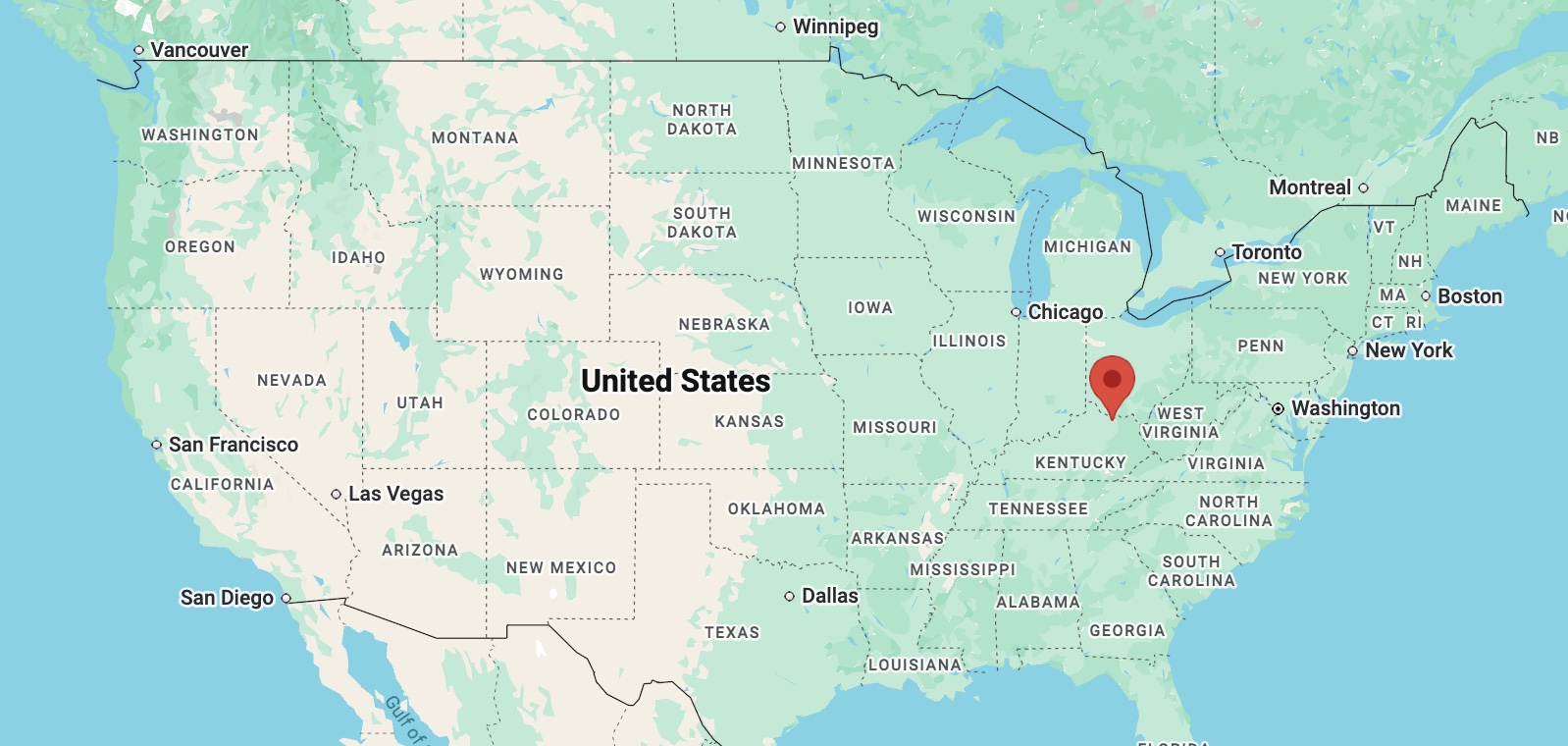
Huddleston's daughter, Delsia Bare, told WKRC that the family has owned the land outside Maysville, Kentucky, for generations. They even grew wheat there that helped supply bread lines during the Great Depression.
Beyond their personal connection to the property, the family worries about the project water use and potential pollution. Farmland in Mason County is worth roughly $6,000 an acre, according to Fortune.
Huddleston was offered about $60,000 an acre for 71 acres, while Bare was offered $48,000 an acre for 463 acres. Together, the offers came to $26 million.
Bare told People that the family initially signed a contract to sell, fearing the company would lobby local officials to invoke eminent domain and force them to sell for far less. They regretted the decision almost immediately and eventually backed out of the deal. Bare has since joined a lawsuit challenging the project.
Huddleston stated:
Money don't mean anything if you don't have food, water and can't breathe. And they're not making any more land. You can't get food out of a data center.
For some, the money proved too good to pass up
Other nearby landowners did agree to sell their land. In May, Data Center Dynamics reported that the Mason County Fiscal Court approved the rezoning of 28 properties totaling roughly 2,080 acres for a proposed data center development.
The project arrives as major tech companies like Amazon, Microsoft, Google, and OpenAI pour billions of dollars into the infrastructure needed to train and run increasingly powerful AI models. But these facilities have also sparked growing backlash, especially from local residents worried about the strain they place on water supplies, power grids, and their communities.
In some cases, that opposition has already helped defeat proposed data center projects elsewhere.
Trump says communities should not fight it
While some lawmakers have called for a national moratorium on the construction or expansion of new AI data centers, President Donald Trump's administration has taken a largely hands-off approach to regulating this kind of construction, arguing that unfettered AI development matters for national security.
Discussing data centers recently, Trump told an audience:
You have to convince your communities how great these things are. You can't fight it. You have to go with it.
On the local level, several governments have already adopted or explored temporary restrictions on new data center development, including Seattle, Minneapolis, and a number of communities in New Jersey.
Last month, New York became the first state in the country to impose a moratorium on data center projects. Even famously pro-business Texas has ordered regulators to audit every large data center project seeking to connect to the state main power grid.
Supporters of these projects often point to the jobs, tax revenue, and other investment they can bring to communities. Most residents don't see it that way.