PC prices have risen so much that manufacturers are selling outdated hardware disguised as new

Let's be honest, high-end DDR5 memory or a new graphics card for your dream PC build probably isn't in the budget right now. Instead, major component makers prefer selling updated versions of already outdated motherboards, processors, and memory. This approach pretty much guarantees a real PC upgrade won't happen anytime soon.
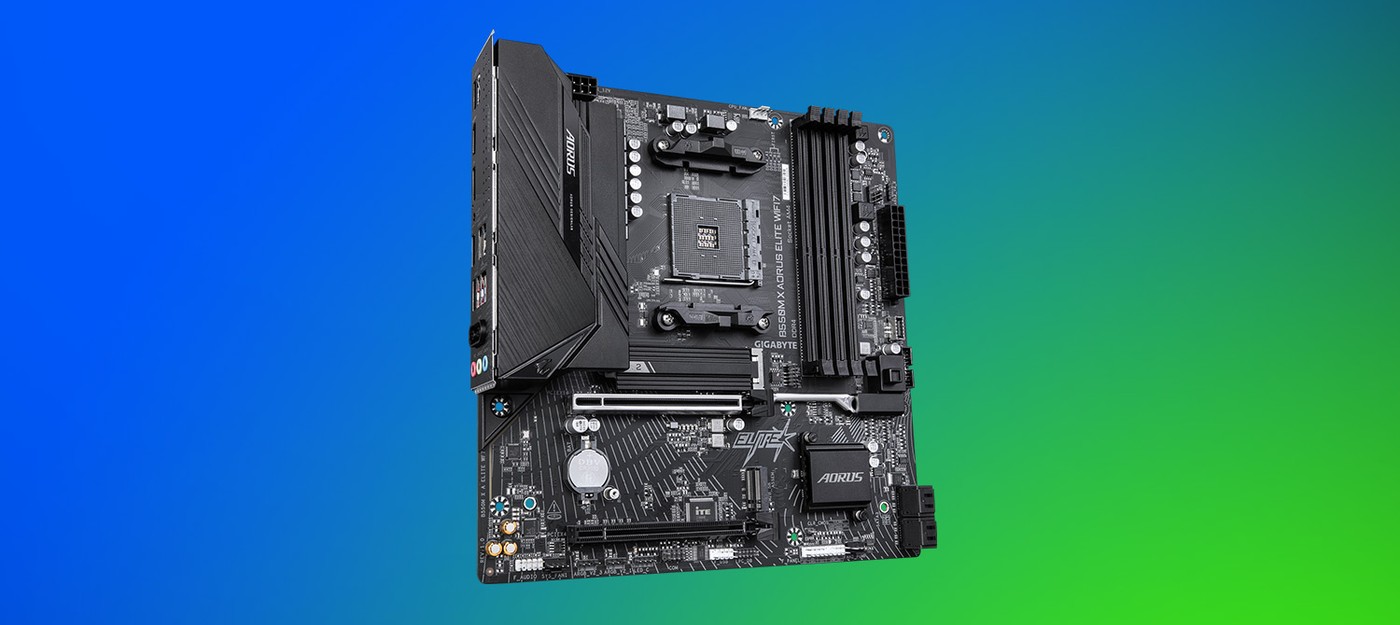
Late last week, Gigabyte, one of the best known brands in the components market, unveiled a new lineup of Aorus B550 X motherboards built around the aging AMD AM4 socket. That means support for the old DDR4 memory standard instead of the faster, and prohibitively expensive, DDR5.
At least the Aorus B550X series supports the new Wi-Fi 7 standard and 160 MHz channels for faster wireless connections. The board runs on a 10-phase VRM power design with 60A DrMOS, and Gigabyte claims it can power any previous-generation components at full capacity.
Even with a handful of modern additions, though, no AM4 motherboard can match what the newest sockets and DDR5 memory offer. The AMD AM5 socket was built for current-generation processors like the gaming-focused Ryzen 7 7700X3D and Ryzen 7 9850X3D, or the flagship workstation chip Ryzen 9 9950X3D2 Dual Edition.
AM5 supports the faster PCIe 5.0 connection standard along with high-speed DDR5 memory. No AM4 board can offer all of these standards at once.
Gigabyte decided to release this board in 2026 for two main reasons. First, DDR4 memory hasn't gotten as expensive as DDR5, even though it's still pricey. Second, AMD relaunched its old flagship gaming processor for AM4, the Ryzen 7 5800X3D, at Computex 2026.
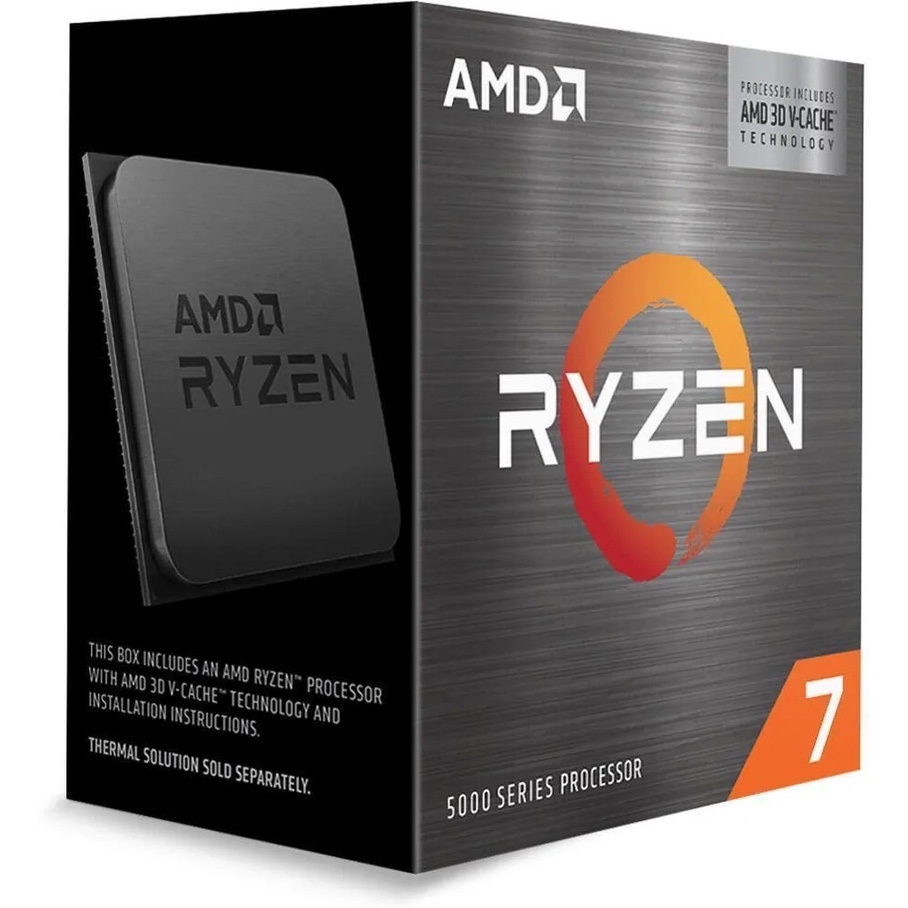
Some PC builders weren't happy that AMD is selling a four-year-old chip for $350, more than some faster processors on AM5 currently on the market. That said, the Ryzen 7 5800X3D was going for $400 or more on eBay before the relaunch, so the new release might at least push secondhand prices down.
Every new component is getting pricier, and it's not just DDR5 memory. Reports suggest Nvidia is raising prices on RTX 50 series graphics cards again, starting in South Korea, though individual builders could see even steeper increases. AMD may also raise prices on its Radeon RX 9000 graphics cards.
On top of that, AM5 motherboards could soon get significantly more expensive too. Videocardz first reported this, citing rumors from the Chinese forum Board Channels claiming Gigabyte, MSI, and Asus may all raise motherboard prices.
The reason comes down to rising PCB costs and a sharp increase in prices for the raw materials used to manufacture them. At the same time, demand for new boards has dropped because of the sky-high cost of components for DIY builds. Simply put, motherboard margins aren't as profitable as they used to be.
AI data centers are to blame for all this, with companies willing to spend billions of dollars building them out. Under these conditions, hardware makers default to prioritizing corporate clients over the consumer market, pulling in tens of billions of dollars in net profit per quarter.