7 years of work to build the perfect wooden PC case, hiding all the cooling in the basement and the cables in the desk

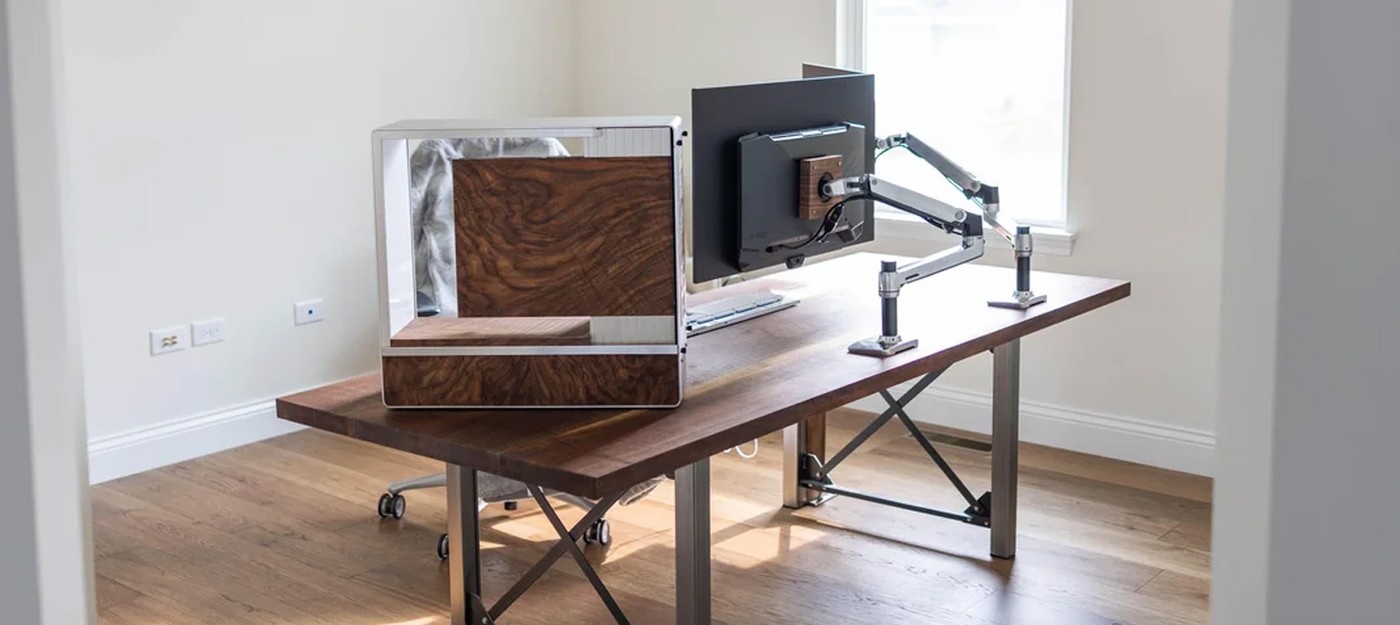
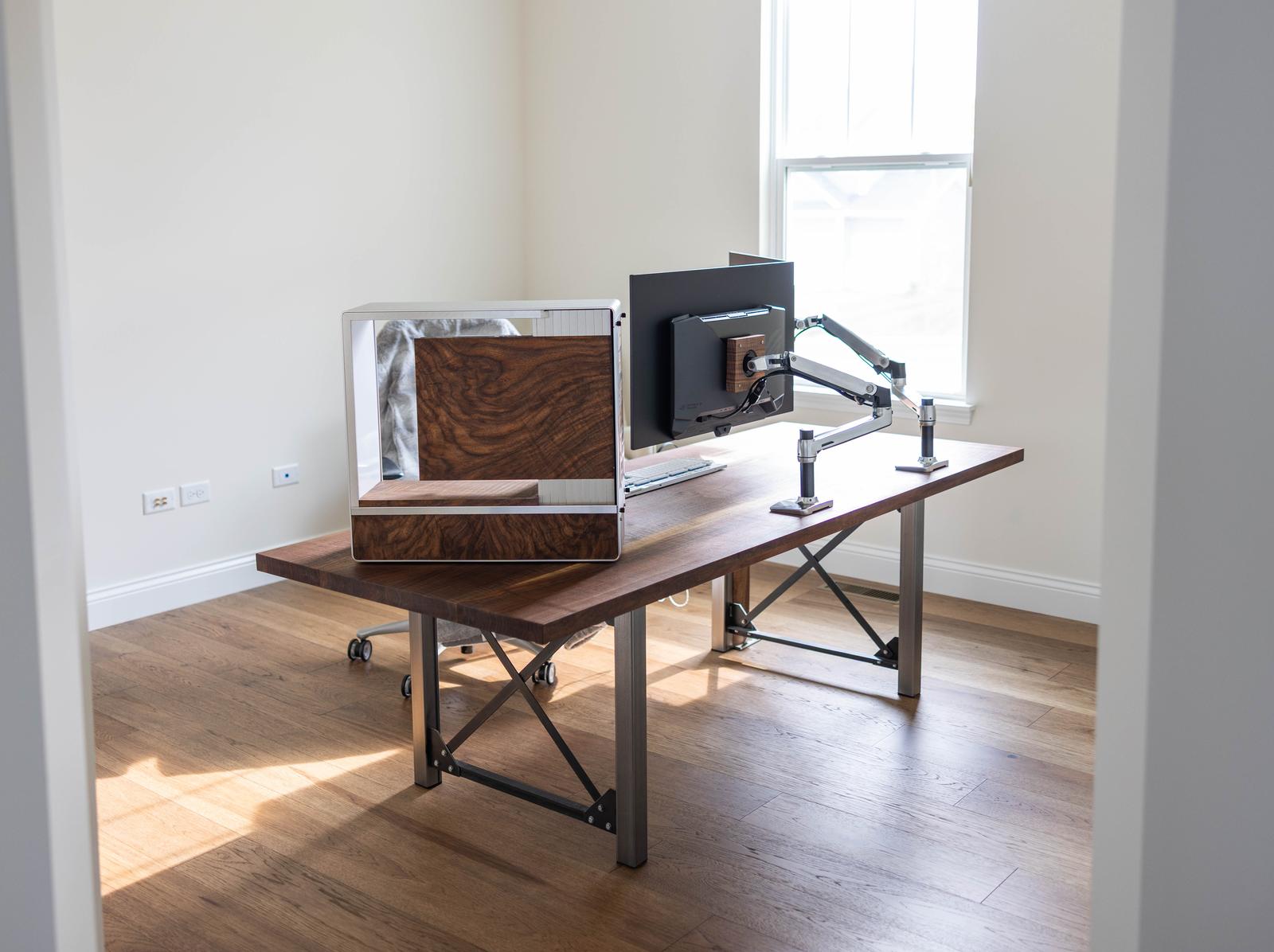
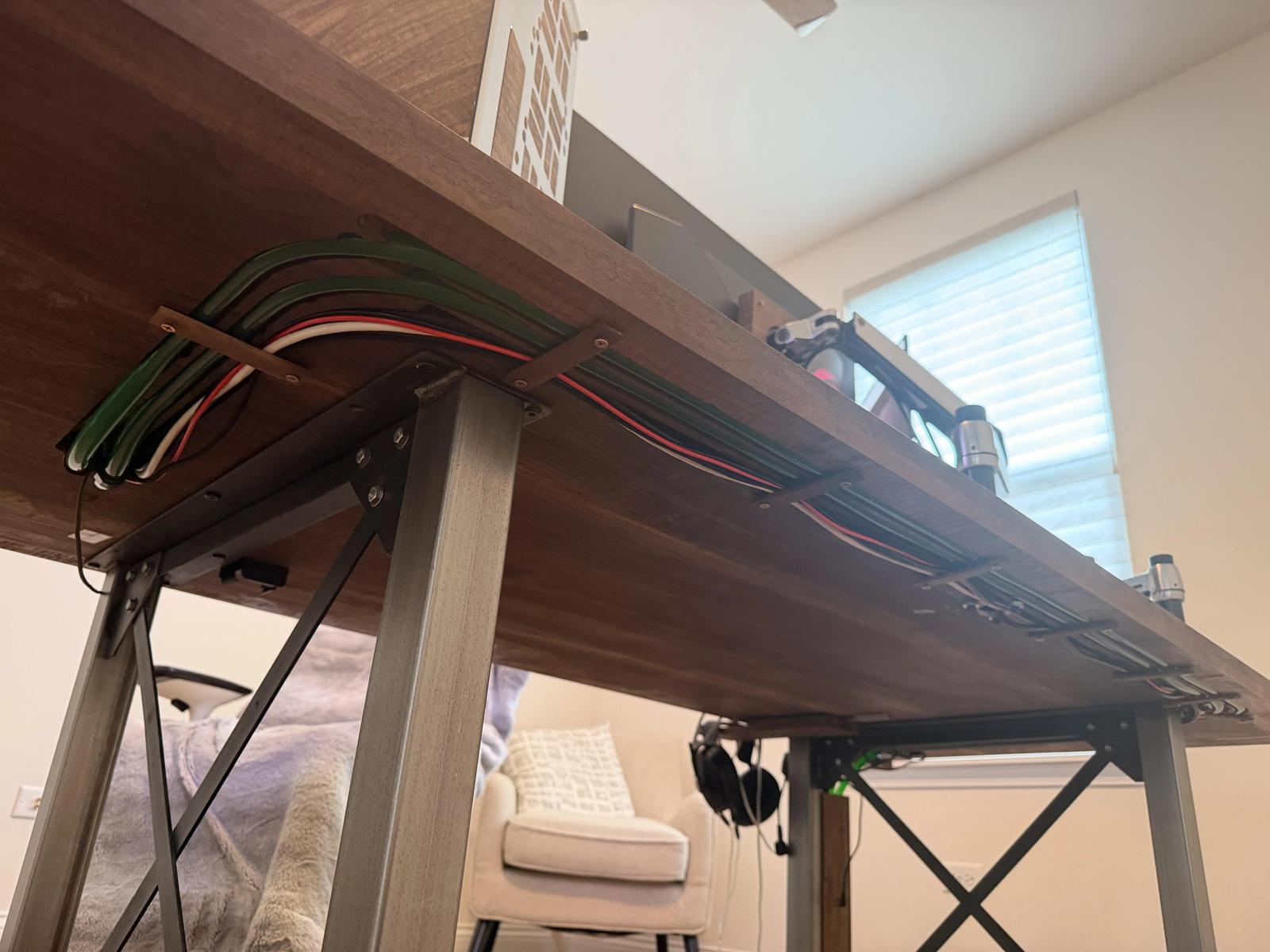
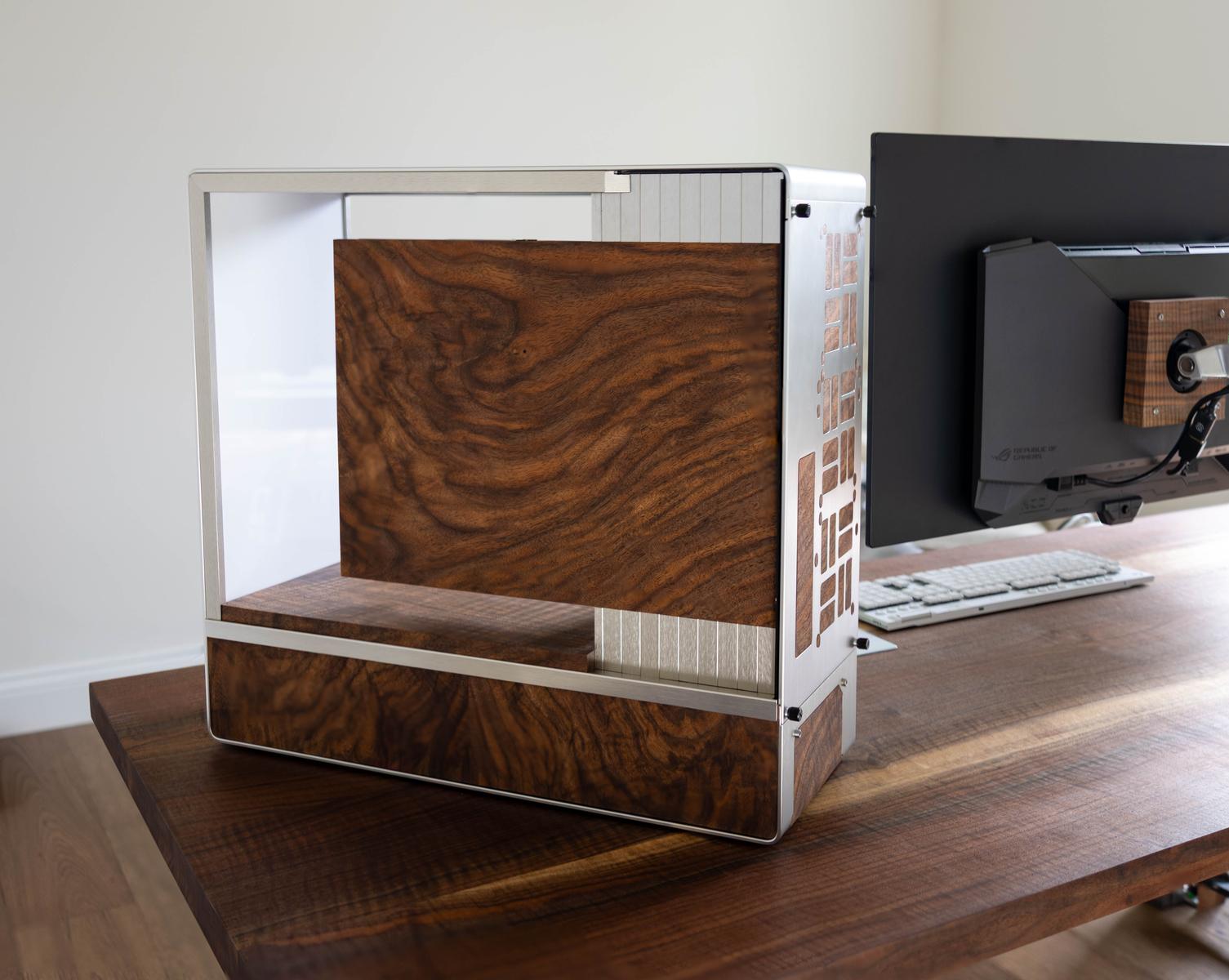
An enthusiast spent seven years building a PC, and all that shows on the desk is a walnut case and a graphics card, with no wires or tubing in sight. The build is called Heartwood. Inside sit a GeForce RTX 5090 and a liquid-cooled Ryzen 7 9800X3D, but the tubing, power cables, and even I/O connections run through a leg of the custom desk straight into the basement.
That is where the rest of the system hides, including an external Watercool MO-RA 400 radiator.
The project began back in 2019, when wood in PC cases was an oddity rather than a trend.
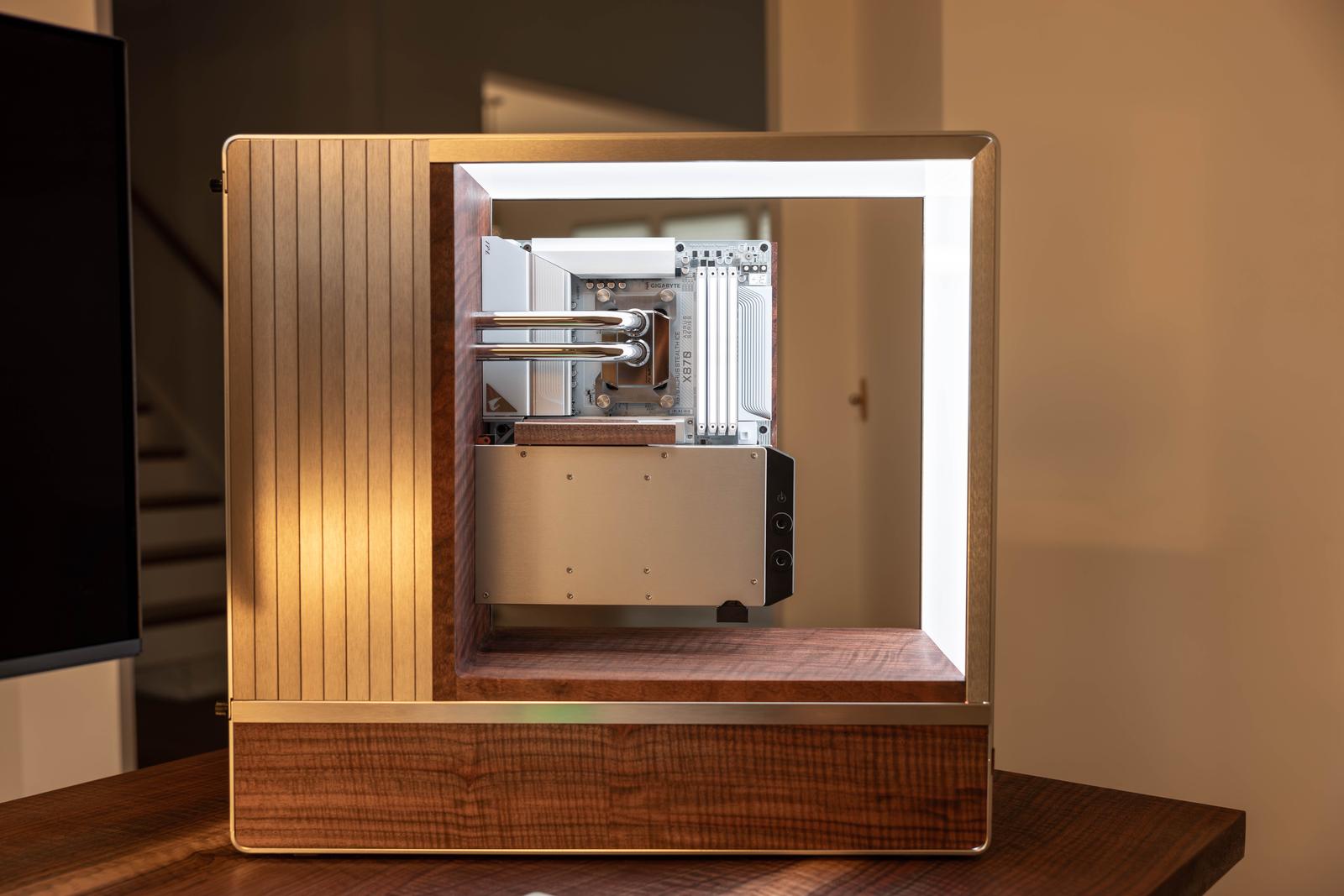
The base is an aluminum InWin 909 frame, but nearly everything else is custom-made from walnut, down to the wooden cable ties. Of the four glowing memory sticks, only two are real, while the others are there for the lighting. The 64 GB kit, bought in February 2025 for about $285, now goes for around $1,300.
The idyll ends in the last photos, which reveal a hefty tangle of cables and hoses under the desk and in the basement. The creator explains the setup simply: the office stays perfectly tidy, with no noise or heat from the radiator.
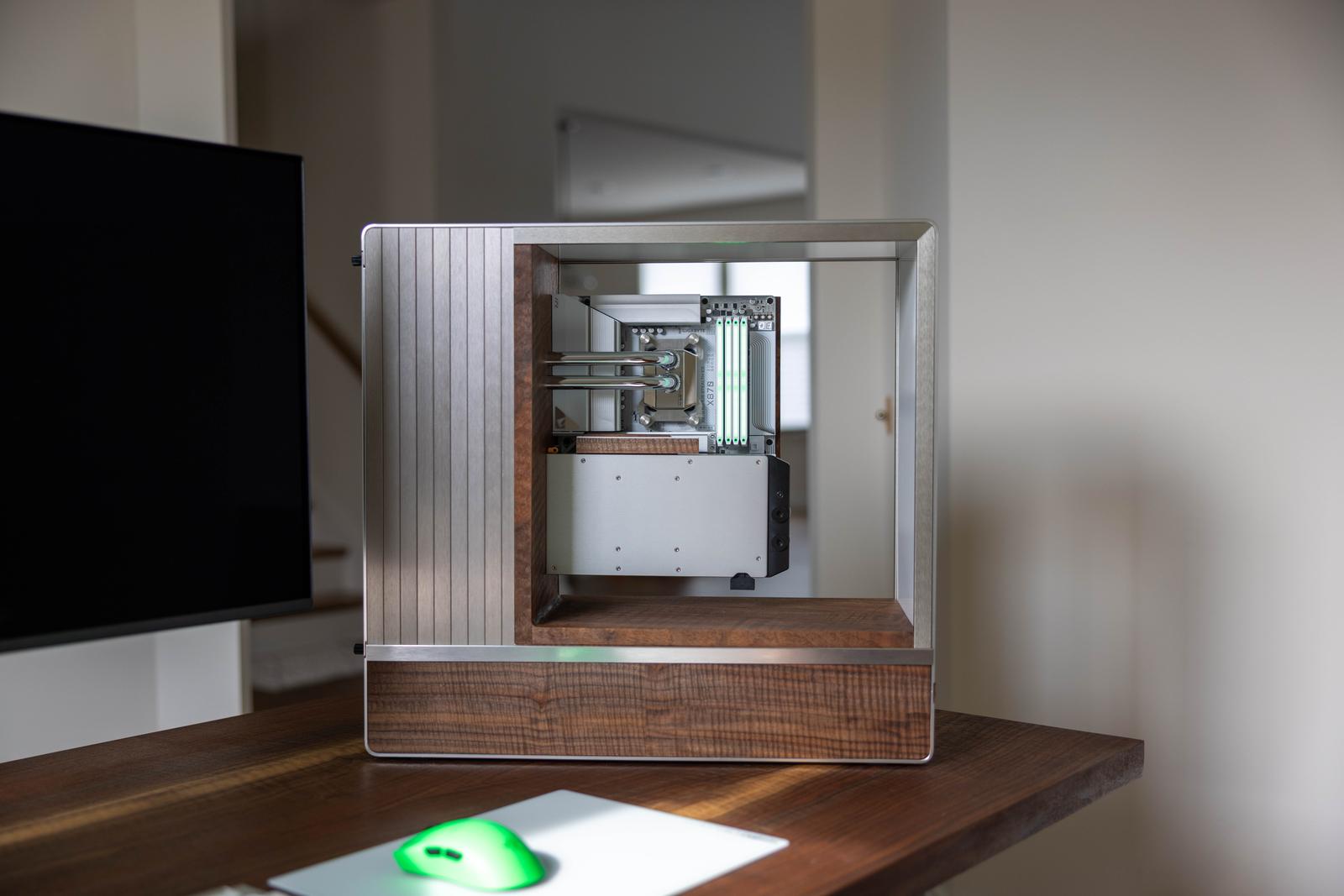
Asked why any of this was necessary, the builder answered in the same spirit:
"Because why not? I mean, this whole build is why not"
The practical side is far more complicated. The desk and PC can no longer be moved, the wooden floor now has a hole in it, and one installation specialist called this kind of hidden-wiring beauty a service nightmare that won't survive the first repair call.
One commenter suggested a more flexible, dock-style alternative, where the case slots into guides on the desk and the coolant connects through quick-disconnect fittings.
Upgrades run into the wood as well. A standard-size motherboard should fit without problems, and the graphics card essentially floats in place and swaps easily, but the CPU water block and its tubing literally hold the board inside the case.
The creator plans to start with a new processor on the same platform, then move to an RTX 7090 if gaming GPUs still exist by then, and finally build a new case.