Why the theatrical version of The Lord of the Rings works better than the director's cut

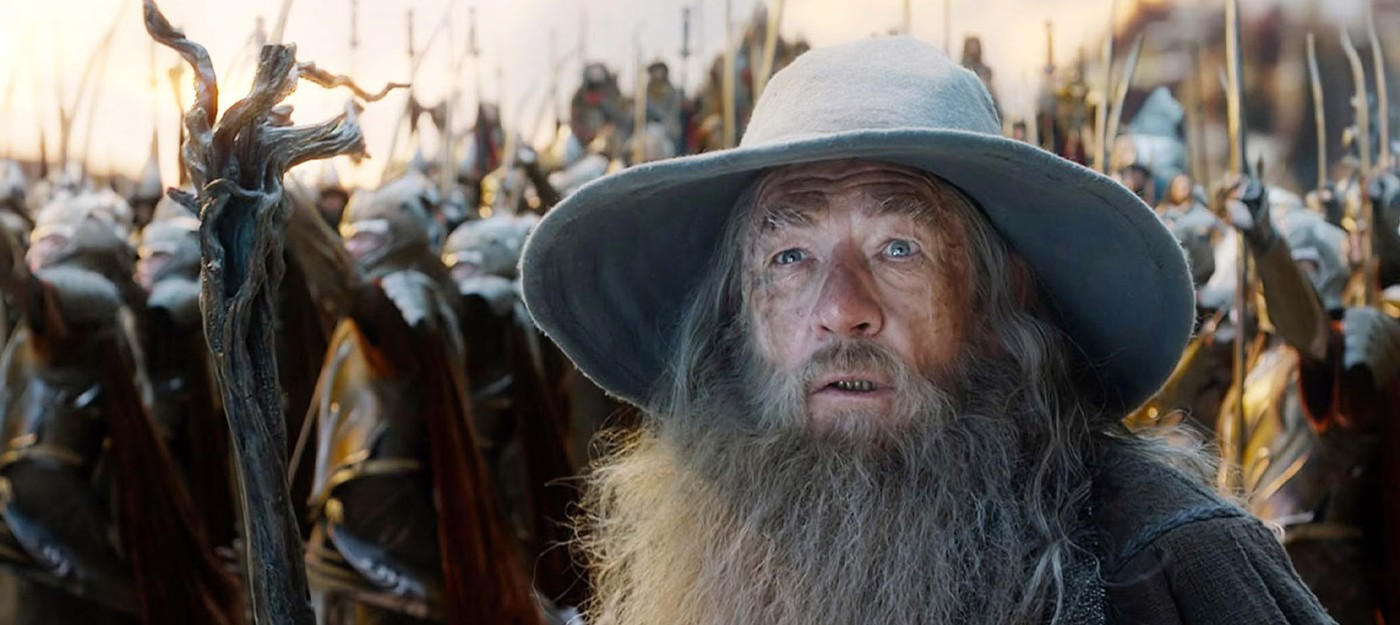
Extended cuts are usually seen as a gift to fans, with more scenes, more lore, and more of a beloved world. But the extra minutes can work like a spoiler the director cut into his own film, especially when that spoiler looks like an avalanche of thousands of skulls.
The theatrical cut of The Lord of the Rings: The Return of the King came out in 2003, and a year later Peter Jackson released an extended edition that runs almost an hour longer. One Reddit fan pointed out how the theatrical version handles the Paths of the Dead scene.
Aragorn throws a "What say you?" at the ghosts, then the edit jumps straight to the armies of Mordor outside Minas Tirith. No answer comes, and for the next half hour Aragorn is out of the frame too. The siege and the battle of the Pelennor Fields play out under a sense of total hopelessness, which makes his arrival on the black ships hit that much harder.
In the extended cut, the tension leaks out like air from a tire after a nail. Viewers watch the heroes escape the caves under an avalanche of skulls, see Gimli blow away ghostly hands and wince as he steps on bones, and find out that the King of the Dead agrees to help. Through the whole battle, one thought keeps looping: "It's okay. Aragorn's on his way." Book fans add that the scene also clashes with the source material. In Tolkien, the Dead immediately recognize the heir of Isildur, who can free them from their oath.
One commenter couldn't hold back and wrote:
In the movie they attack Aragorn, have an avalanche of skulls chase him out of the mountain...then for no reason whatsoever after the expulsion the leader of the ghosts pops up and says "Uh yeah about that? Nevermind. We're with you." It makes ZERO sense.
The myth that extended cuts are mainly for book experts is falling apart. Many of the added scenes argue with Tolkien. The Witch-king breaks Gandalf's staff, though in the novel their standoff is interrupted by the horns of the Rohirrim. Aragorn cuts off the head of the Mouth of Sauron, while in the book nobody lays a hand on Mordor's herald. Fans have settled on a formula: "Extended FotR, extended TT, theatrical RotK is the way." Similar complaints even hit the first film, where the extended cut swaps a natural introduction to Frodo and Gandalf for Bilbo's lecture on hobbits, right after an already dense prologue. One user described the difference this way:
Theatrical cut makes you want to explore Middle Earth; extended cut sometimes feels like it's giving you the tour before letting you enjoy the trip.
The thread also points to a habit of a whole era. Blockbusters of the early 2000s, from Pirates of the Caribbean to The Mummy and King Kong, seemed afraid to leave audiences alone with fear and always diluted a creepy moment with action. In the book, the Paths of the Dead rely on atmosphere, without a single fight.
Modern cinema is bolder. The Cyclops in The Odyssey from Christopher Nolan and the Harkonnen scenes in Dune work as pure horror, with no relieving burst of action.