Why the wizard in Baldur's Gate 3 silently watches the barbarian fail a magic check

RPGs love to talk about friendship, trust, and a tight-knit party, but the mechanics sometimes shatter that idyll with a roll of the d20. Picture a hero with the intelligence of a stool trying to make sense of an ancient magical seal.
A few steps away stands a wizard who knows everything about the Weave but says nothing. The party cheerfully fails the check while the scholar politely waits for the next scene.
That is exactly how dialogue works in Baldur's Gate 3, which Larian released in August 2023. Skill checks in conversations are made only by the character who started the talk. Companions can't take over, even when their stats are a perfect fit.
A player who returned to the game after a year away brought this up on Reddit. They still call Baldur's Gate 3 a diamond, but the detail has bugged them since their first playthrough.
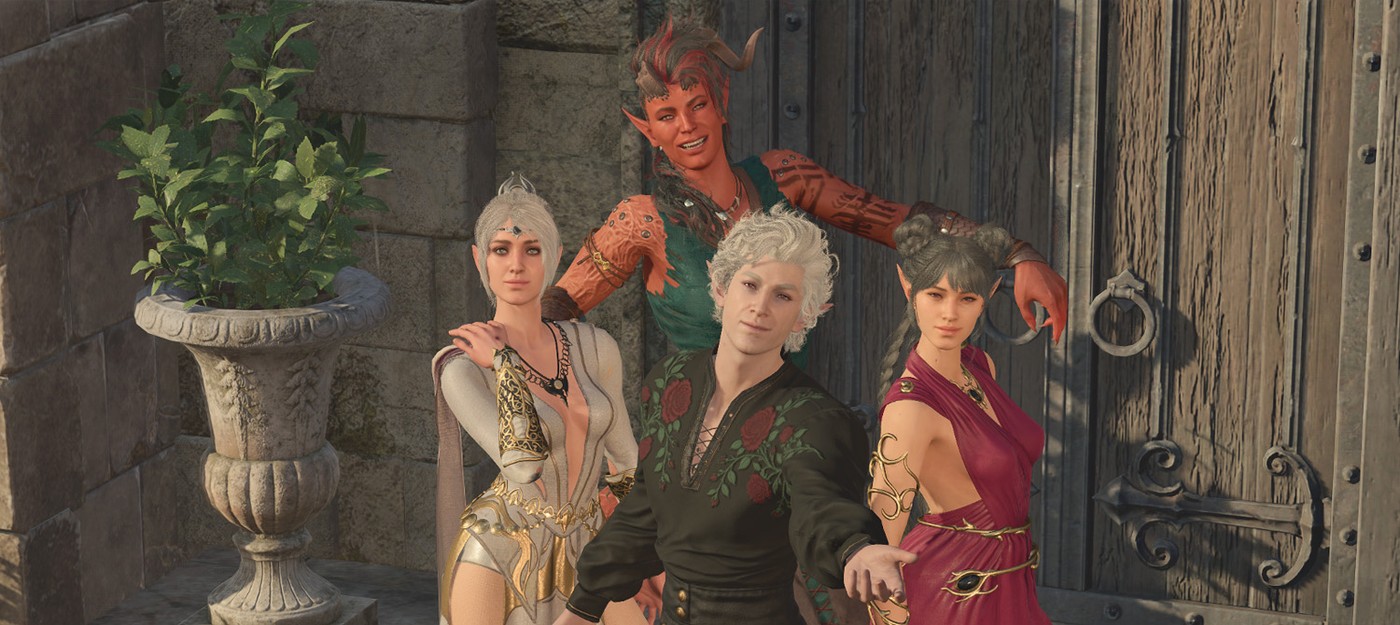
Larian clearly did think about such situations. In story moments, companions sometimes get a say. Astarion can speak up when you meet Cazador, Lae'zel joins the conversation with the githyanki at the bridge, and Gale jumps in on his own whenever a Lanceboard is nearby.
The official workaround has been known for a while. Before a conversation, you can switch to the right character and walk them up to the NPC, leaving the rest of the party far away. It doesn't always work, since in key scenes the game often hands the dialogue back to the main character.
One player gave up on a run over this. They deliberately walked the charismatic Wyll up to the NPC, but the game picked a fighter with terrible Charisma. All the Inspiration points went on rerolls, and nothing was left to stop Lae'zel and Shadowheart from fighting each other.
Compared with its genre peers, Baldur's Gate 3 stands out:
in Neverwinter Nights 2: Storm of Zehir, companions could join conversations and use their own skills
in Dragon Age 2, you can sometimes leave the talking to Varric, who spins another tall tale
in Pillars of Eternity II: Deadfire, checks account for both personal skill and help from the party
in Owlcat games Pathfinder: Kingmaker and Pathfinder: Wrath of the Righteous, many checks are passed by the best character in the party, which makes building a well-rounded team worthwhile
The current setup has its defenders, too. If a companion covers every skill, the hero class barely affects the playthrough, and the urge to replay the game with a different character fades. The catch is that guessing the right negotiator in advance is nearly impossible, and an honest RPG mechanic turns into save scumming.