The head of a Japanese anime studio said that the era of overwork and $350 salaries is becoming a thing of the past

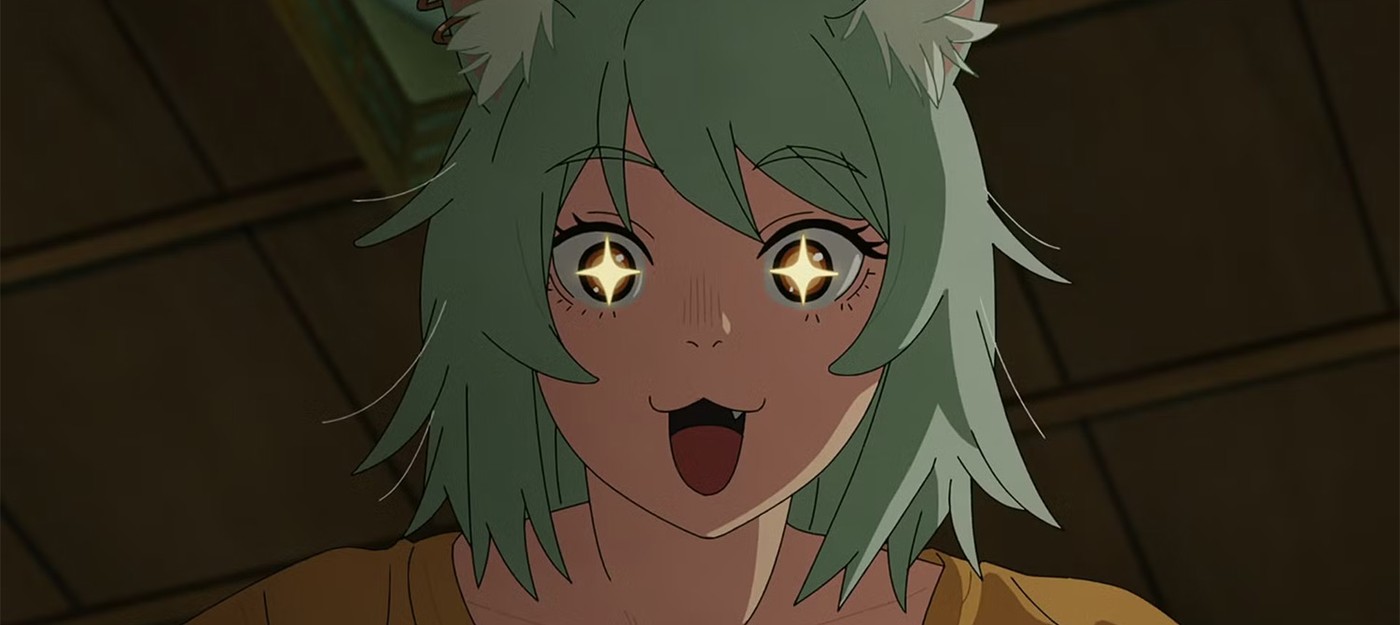
Motoki Tanaka, known by the alias Tensho, founder and CEO of Bibury Animation Studios, took to X to address people hoping to break into the anime industry. According to him, working conditions and pay have improved considerably over the past few years, especially for animators and production coordinators.
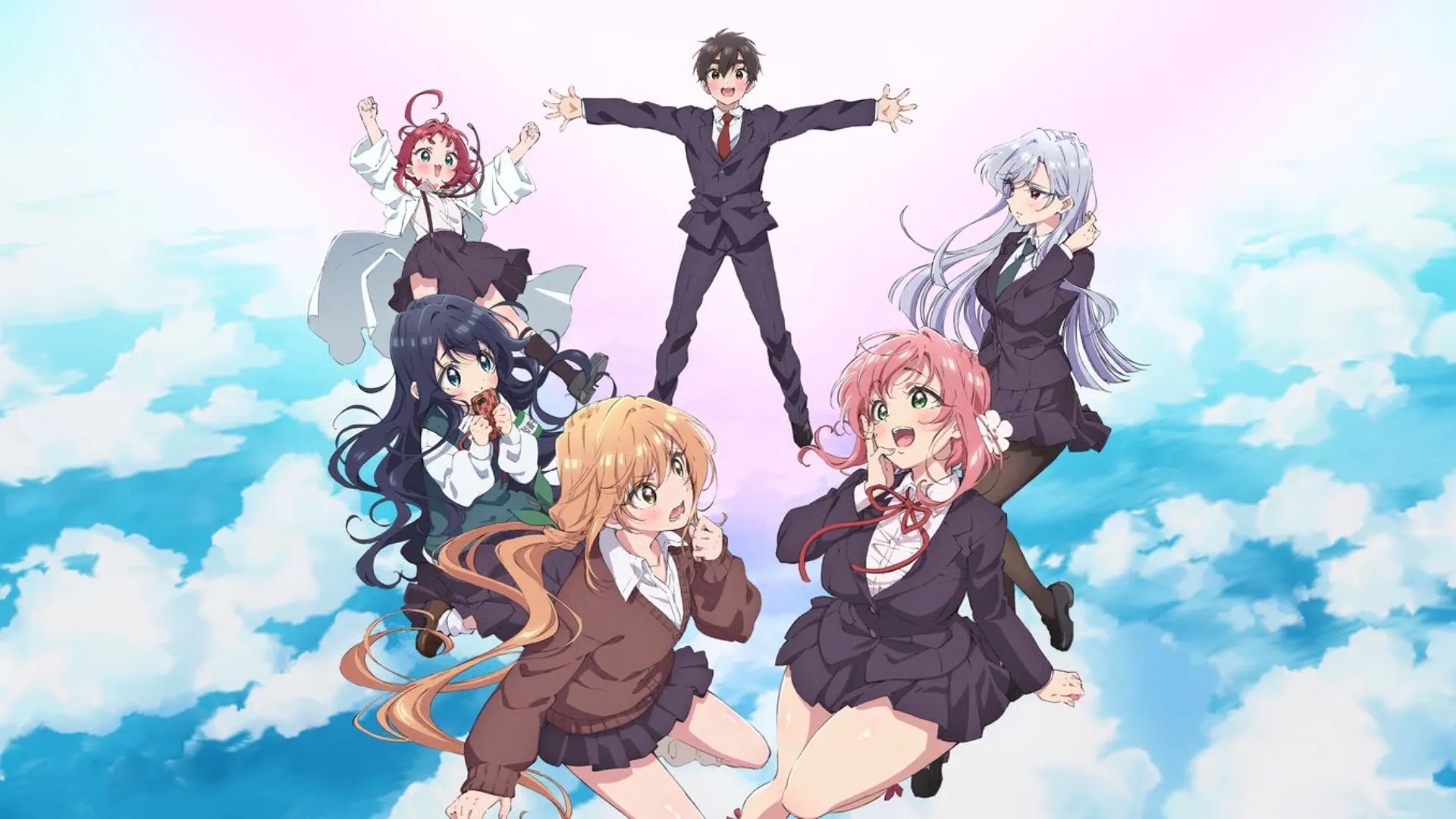
The studio is currently working on Chainsmoker Cat and also released an adaptation of The 100 Girlfriends Who Really, Really, Really, Really, Really Love You.
As proof, Tanaka pointed to several changes he has observed firsthand in production:
higher pay rates and, just as importantly, payments made on time
fewer overtime hours
the disappearance of overnight stays at the studio
Motoki Tanaka, founder and CEO of Bibury Animation Studios:
the era when low pay was the norm and overtime was a given in the anime industry is over.
He also touched on the reputation of the profession. Tanaka believes the idea that working in animation is something embarrassing or "a job for otaku" is gradually fading, since anime has become such an important cultural asset for Japan that people working in it should take pride in their craft.
That said, he didn't paint an entirely rosy picture, acknowledging that cases of delayed payments, low pay, and overtime still happen, though the work itself can be genuinely enjoyable.
The backdrop for such statements has been pretty grim in recent years. In July 2023, an Oricon News report showed that anime's global commercial success mostly benefits veteran creators, while newcomers were making around 50 thousand yen a month, roughly $350.
These employees were told to hone their skills in their free time, which left them with essentially no room to take on part-time work.
In March 2024, a Japanese animator posted a pay stub from their first month at a studio, showing an amount equivalent to $132. Others in the field shared similar stories, with one animator reporting they earned around $103 for in-betweens on a popular series with a three-day deadline.
In 2025, a UN human rights committee report documented systemic issues in Japan's animation industry and raised doubts about the country's ability to meet its growing production targets.
More than 30% of animators worked as freelancers or independent contractors, leaving them vulnerable to irregular schedules and unfair subcontracting arrangements. The report also flagged weak protections for animators' intellectual property rights.
Tanaka's comments landed as a rare bit of good news from someone running production from the inside. Gaps between individual studios and job positions haven't gone away though, and the pace of change depends heavily on the specific company and its place in the production chain.
- Japan begins mass procurement of 3D-printed Terra B1 interceptors - winner of a competition among 38 companies
- Sekiro: No Defeat anime is coming in 2026, new trailer revealed
- Anime-inspired tank sim Panzer Knights: Commander's Edition coming to consoles in 2026