Typewriter, green grass, and a shotgun on the wall – why the new Resident Evil movie is still Resident Evil

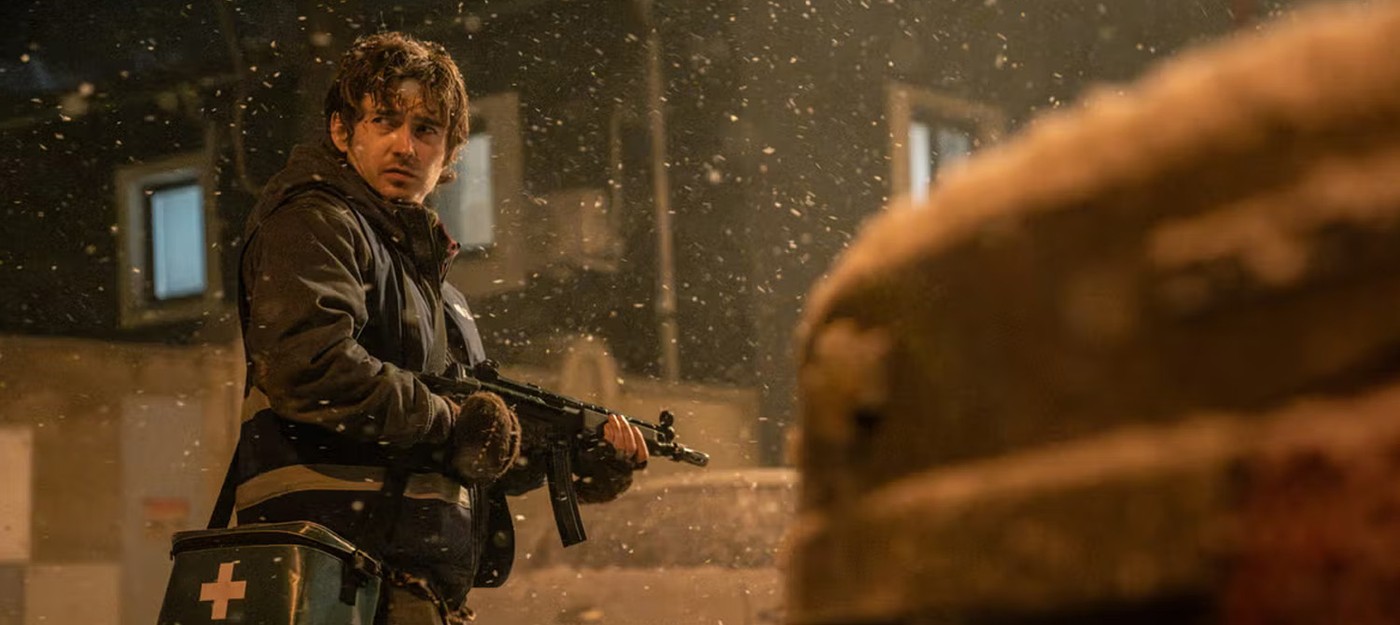
A game adaptation can follow the source material to the letter and still feel completely dead, or it can skip every recognizable logo and still feel like the truest thing to the series.
The debate over what actually makes a movie "real" Resident Evil has boiled down to a simple question: does green grass on a car dashboard count if there's no Umbrella sign hanging anywhere on the walls.
Zach Cregger new film starring Austin Abrams as the lead has split fans right down that line.
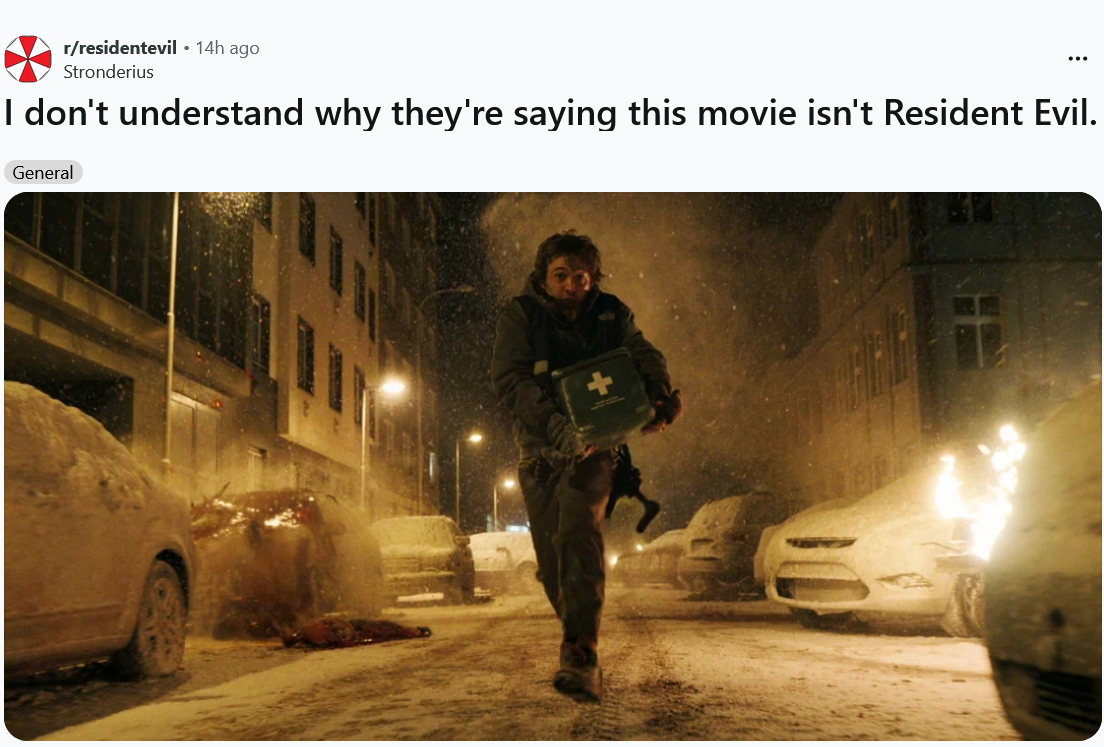
One camp is convinced this is the most accurate adaptation the series has ever gotten. The other insists that swap the city name and the corporation, and you just get a solid horror movie with no franchise ties at all.
The first side arguments don't lean on plot, they lean on game design grammar translated straight into the frame. The movie speaks the language of survival horror, and it does it with suspicious precision:
an unkillable pursuer that vanishes right when you forget about it and comes back at the worst possible moment, straight out of the Mr. X and Nemesis playbook
scarce resources and constant juggling of whatever's left in your pockets
a typewriter in the safe room and healing sprays stashed in the barn
a shotgun mounted on the wall and a gradual weapon upgrade path for the hero
unbreakable complex locks next to flimsy padlocks, plus an RV blocking the road at just the right spot
That last point really nails the spirit of it. It's the exact kind of game logic everyone jokes about, yet here it functions as a genuine story obstacle instead of a wink at the audience.
The lab finale checks off the last box.
The counterargument isn't baseless either: there's no Umbrella logo anywhere on screen, the Raccoon City police station never shows up, and the pathogen doesn't behave like the T-virus. The final mutation visually echoes Birkin from the second game, but mechanically it's closer to Las Plagas.
Cregger never hid that he wrote this story independent of the license and layered the franchise on top of an already finished framework. Cregger named Evil Dead 2 among his inspirations, and that's more honest than any police station reference could be.