Japan begins mass procurement of 3D-printed Terra B1 interceptors - winner of a competition among 38 companies

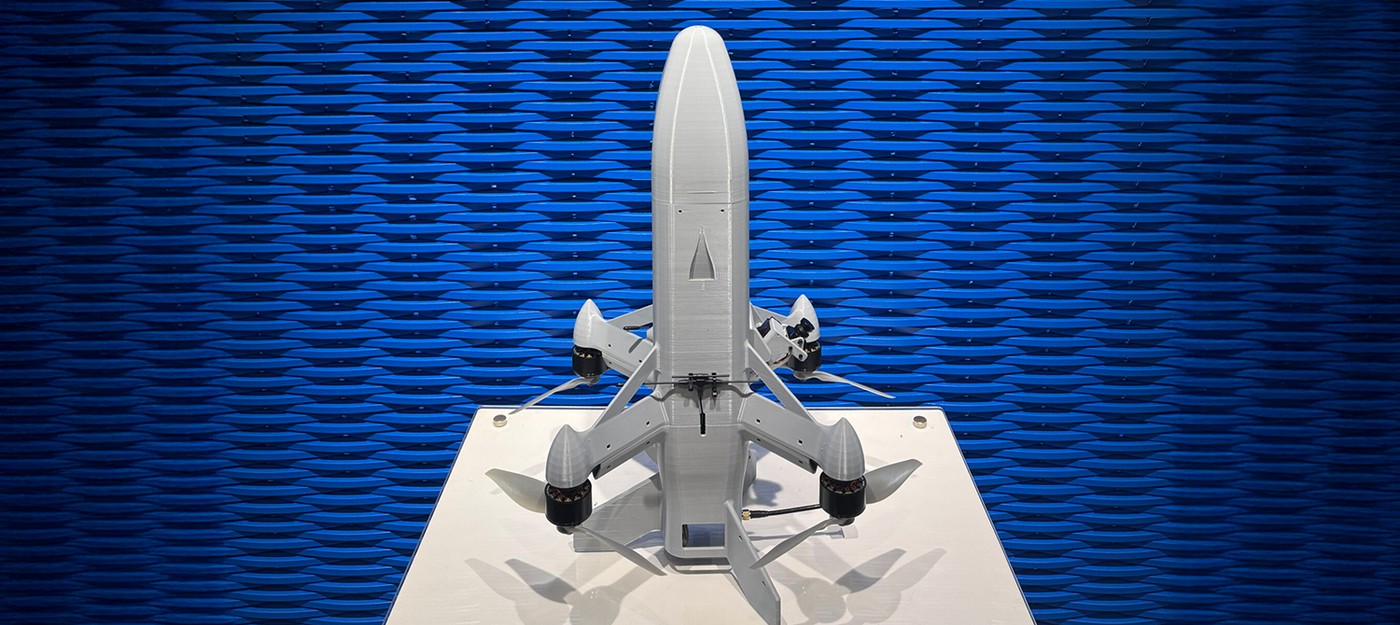
Japan's Self-Defense Forces have signed an agreement for mass procurement of Terra B1 interceptor drones, whose bodies are manufactured using 3D printers.
The device is built on the already combat-tested A1 model from Terra Drone. A demonstration of the Terra B1 impressed the Maritime Self-Defense Force enough to kick off the mass procurement process.
The interceptor is equipped with a rocket engine and designed to counter loitering munitions and single-use attack drones. Typical targets include aircraft from the Shahed family, along with anti-radar munitions like the Israeli IAI Harpy, according to 3D Printing Industry.
The deal was approved by the Acquisition, Technology and Logistics Agency (ATLA), which handles equipment procurement for Japan's armed forces. According to a Terra Drone press release, mass production of the Terra B1 has already begun domestically after successful trials. The design was just one of many submissions from 38 separate companies.
To pass ATLA's selection process, the aircraft had to meet a range of requirements, including:
effective range, flight duration, and flight distance
maximum and cruising speed, along with guidance method
number of aircraft that can be controlled simultaneously
launch and recovery methods, integration with other systems
safety measures and operational track record
The first production units of the Terra B1 are expected to roll off Japanese production lines as early as this month. Additive manufacturing here serves as a way to speed up output, letting Japan's forces, in Terra Drone's words, "acquire more effective drone countermeasure equipment with greater speed." Following initial deployment with the Maritime Self-Defense Force, the Air and Ground Self-Defense Forces may also take a look at the platform, adapting the interceptor for their own needs.
Demand for cheap yet effective anti-drone solutions spiked sharply amid the escalation between the U.S. and Iran this year. Gulf states repeatedly came under attack from airborne threats their air defense systems weren't originally designed to counter. Patriot missiles are too expensive and too limited in supply to spend one-for-one against cheap drones.
The pairing of drone platforms and 3D printing has shown up in other scenarios too. Earlier reports covered printing drones, components, and consumables for repairs directly aboard the amphibious assault ship USS Essex. All the equipment was housed in a compact containerized workshop while the ship sailed to take part in RIMPAC 2026 exercises near Hawaii.